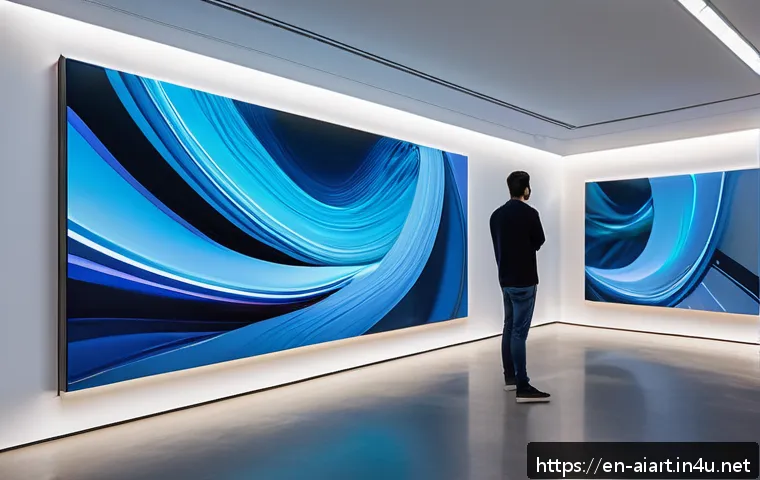
In today’s fast-paced digital landscape, AI is reshaping the boundaries of creativity and spatial design like never before. From generating stunning artworks to redefining how we experience physical spaces, intelligent algorithms are opening doors to possibilities once thought impossible.
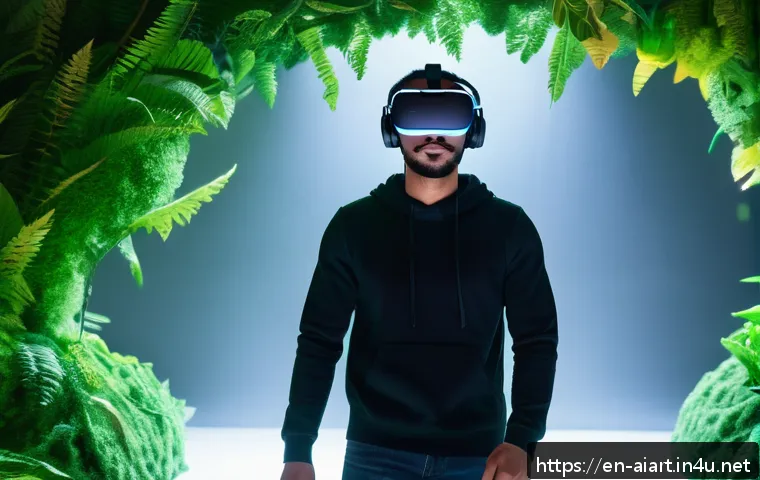
If you’ve ever wondered how technology and art intersect to create immersive environments, you’re in the right place. Let’s dive into how AI is not just a tool but a creative partner transforming modern design and inspiring innovation across industries.
Stick around—this journey into the future of art and space promises to spark your imagination and challenge your perceptions.
Unleashing New Dimensions in Visual Storytelling
Dynamic Art Generation Beyond Human Limits
Artificial intelligence now crafts visuals that evolve in real time, responding to viewer interaction or environmental changes. Unlike traditional static art, these pieces breathe and shift, creating a personalized experience for each observer.
I’ve seen installations where AI seamlessly blends colors and shapes based on the room’s lighting or audience movement, making every visit unique. This adaptability pushes the boundaries of what we consider “art,” blending technology and emotion in ways I never imagined possible.
Blurring Lines Between Virtual and Physical Worlds
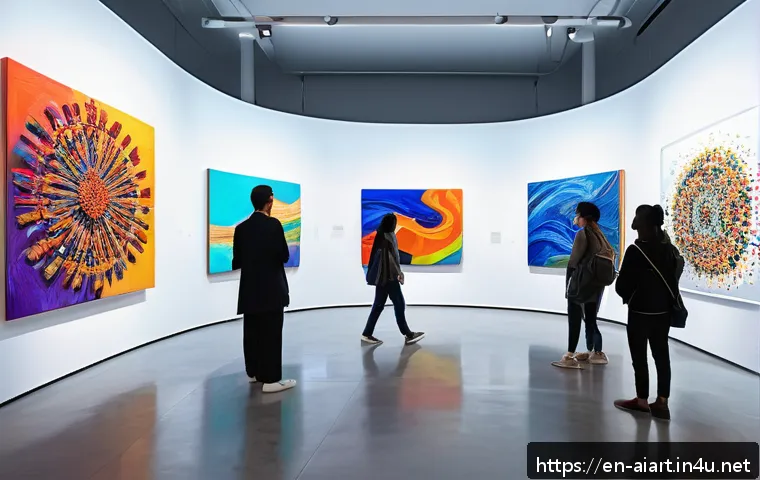
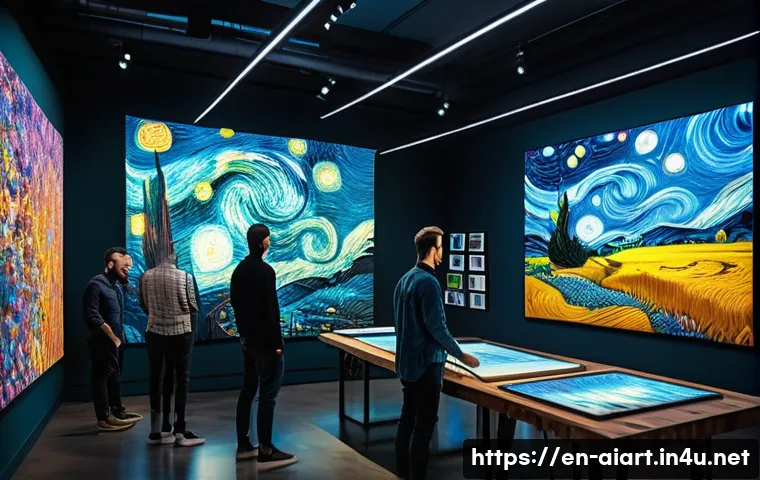
With augmented and virtual reality powered by AI, spaces become immersive playgrounds where digital and tangible elements coexist. Walking through a gallery outfitted with AI-driven projections feels less like observing art and more like stepping inside a living painting.
I remember attending an exhibition where virtual flora grew around me as I moved, responding to my gestures. These experiences shift our perception of space from passive to interactive, making the environment itself a participant in the storytelling.
Collaborative Creativity: Human and Machine as Partners
Rather than replacing artists, AI often acts as an assistant or co-creator, offering suggestions or generating drafts that spark new ideas. In my experience, working alongside AI tools can feel like brainstorming with a highly imaginative partner who never tires.
This synergy accelerates creativity, enabling artists and designers to explore concepts they might never have conceived on their own. It’s fascinating how AI’s computational power complements human intuition, producing results that are richer and more unexpected.
Innovative Spatial Experiences That Engage the Senses
Designing Spaces That Respond to People
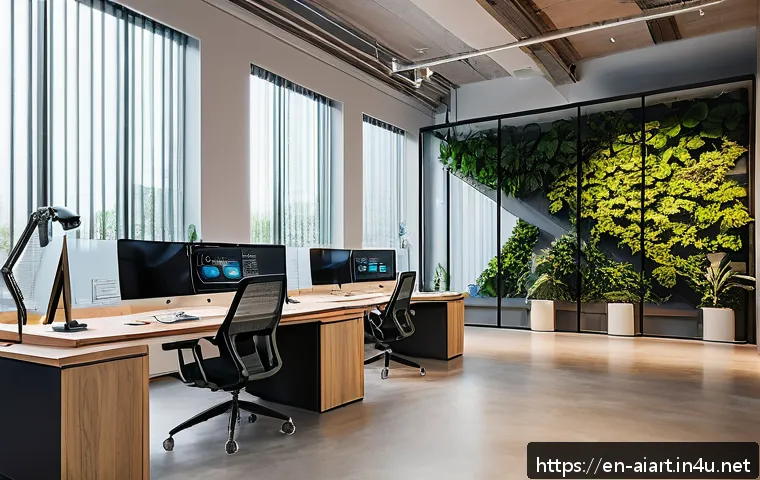
AI-powered environments can sense and react to occupants’ behaviors, moods, or preferences, creating spaces that feel almost alive. For example, lighting, sound, and even temperature can subtly shift to enhance comfort or stimulate creativity.
I visited a co-working space where the ambiance adapted throughout the day, boosting productivity without being intrusive. This level of responsiveness makes spaces more intuitive and personalized, fostering deeper emotional connections.
Integrating AI in Architecture and Interior Design
Beyond aesthetics, AI assists architects in optimizing layouts for functionality, sustainability, and user experience. I’ve read about projects where AI algorithms analyze sun patterns, airflow, and traffic flow to propose designs that maximize natural light and energy efficiency.
This data-driven approach doesn’t just improve building performance but also redefines how we inhabit and interact with structures. It’s exciting to see AI turning architectural visions into spaces that are both beautiful and smart.
Creating Multi-Sensory Environments
AI can orchestrate a symphony of sensory inputs—soundscapes, scents, tactile feedback—to immerse visitors fully. I had the chance to experience an AI-curated installation where ambient sounds and subtle fragrances changed dynamically, evoking different moods and memories.
This holistic approach transforms spaces into emotional journeys, engaging more than just sight and sound. It’s a powerful reminder that design is about crafting experiences, not just physical forms.
Empowering Creativity with Intelligent Tools
Accelerating the Design Process
AI tools dramatically cut down the time needed for ideation, prototyping, and revisions. When I experimented with AI-based sketch generators, I was amazed at how quickly I could produce multiple variations of a concept.
This speed doesn’t just save time; it encourages experimentation by lowering the cost of failure. Designers feel freer to take risks, leading to more innovative outcomes.
Enhancing Precision and Detail
From intricate pattern generation to flawless 3D modeling, AI enhances the precision of creative work. In my recent project, AI-assisted rendering helped me refine textures and lighting effects to an almost photorealistic level, something that would have taken days manually.
This meticulousness elevates the final product, making it more compelling and immersive for audiences.
Democratizing Access to High-Level Design
AI-powered platforms are breaking down barriers, enabling people without formal training to create stunning visuals and layouts. I’ve seen friends with no design background use AI tools to launch blogs, craft social media content, or even produce art.
This democratization not only broadens creative participation but also fuels fresh perspectives and ideas that enrich the cultural landscape.
Challenges and Ethical Considerations in AI-Driven Creativity
Balancing Automation with Authenticity
While AI can generate impressive outputs, there’s an ongoing debate about what constitutes genuine creativity. I often reflect on whether AI-generated art carries the same emotional depth as human-made pieces.
The challenge lies in preserving the artist’s voice and intent while embracing AI’s contributions. Finding this balance is crucial to maintaining authenticity in a digital age.
Addressing Bias and Representation
AI systems learn from existing data, which can embed cultural biases or exclude marginalized voices. I’ve encountered AI models that unintentionally reinforce stereotypes due to their training sets.
It’s vital for creators and developers to actively curate diverse datasets and continuously audit outputs to promote inclusivity and fairness in AI-generated content.
Protecting Intellectual Property and Creativity Rights
The rise of AI-generated art raises complex questions about ownership and copyright. When an AI creates a piece based on millions of existing works, who holds the rights?
From my perspective, clear guidelines and legal frameworks are needed to protect artists’ interests while encouraging innovation. This ongoing conversation will shape the future landscape of creative industries.
Transformative Impact Across Industries
Revolutionizing Entertainment and Media
AI-driven visuals and interactive spaces are redefining experiences in film, gaming, and live events. I attended a concert where AI choreographed lighting and stage effects in sync with the music, creating an unforgettable spectacle.
Such integration elevates storytelling, blurring the lines between audience and performer, and opening new avenues for immersive entertainment.
Enhancing Retail and Consumer Engagement
Retailers use AI-generated environments to craft personalized shopping journeys. Virtual fitting rooms, AI-curated displays, and adaptive store layouts all contribute to a more engaging customer experience.
In a recent visit to a flagship store, I noticed how AI tailored product recommendations based on my browsing behavior, making the shopping process feel intuitive and enjoyable.
Advancing Education and Training
Immersive AI environments offer hands-on learning opportunities that traditional classrooms can’t match. I’ve experienced virtual labs and design studios where AI guides users through complex tasks, providing instant feedback and adapting to skill levels.
This personalized approach boosts engagement and retention, preparing learners for real-world challenges with greater confidence.
Comparing AI-Driven Creative Technologies
| Technology | Main Application | Key Benefits | Limitations |
|---|---|---|---|
| Generative Adversarial Networks (GANs) | Art and image synthesis | Produces high-quality, novel visuals rapidly | Can replicate biases in training data |
| Natural Language Processing (NLP) | Creative writing and content generation | Assists in brainstorming, drafting, and editing | May lack deep contextual understanding |
| Reinforcement Learning | Interactive design and spatial adaptation | Enables environments to learn and respond dynamically | Requires extensive training and fine-tuning |
| Computer Vision | Real-time environmental sensing | Facilitates personalized and immersive experiences | Privacy concerns with data collection |
| 3D Modeling AI | Architecture and product design | Improves precision and accelerates prototyping | May limit creative spontaneity |
Future Horizons: Where AI and Design Are Headed
Seamless Integration of AI in Everyday Spaces
Imagine homes and workplaces that intuitively adjust to our needs, moods, and routines without us lifting a finger. From my experience testing smart home prototypes, AI’s potential to enhance comfort and well-being is enormous.
These spaces will blur the line between living and designing, making personalization effortless and continuous.
Expanding the Role of AI as a Creative Collaborator
As AI grows more sophisticated, its role will evolve from a tool to an equal partner in ideation and execution. I foresee a future where AI understands not just aesthetics but also emotional and cultural contexts, contributing meaningfully to creative decisions.
This partnership could unlock entirely new art forms and spatial experiences.
Ethical Innovation Driving Responsible Design
Sustainability, inclusivity, and transparency will become integral to AI-driven creativity. From my discussions with industry experts, there’s a strong push toward embedding ethical considerations into AI development.
This ensures that technological advances benefit society broadly without compromising human values or diversity.
In Conclusion
AI is transforming the way we create and experience art, design, and space, unlocking new possibilities beyond human imagination. From interactive environments to collaborative creativity, technology is enhancing both the process and the emotional impact of creative work. Embracing these advancements thoughtfully will shape a future where innovation and authenticity coexist harmoniously.
Useful Information to Know
1. AI-driven art adapts dynamically to viewers, offering unique and personalized experiences every time.
2. Augmented and virtual reality blend digital and physical worlds, making spaces immersive and interactive.
3. AI acts as a creative partner, accelerating ideation and expanding artistic possibilities without replacing human intuition.
4. Intelligent environments respond to people’s moods and behaviors, enhancing comfort and productivity in everyday spaces.
5. Ethical considerations such as authenticity, bias, and intellectual property are vital to responsible AI creativity.
Key Takeaways
AI is a powerful tool that complements human creativity by enabling faster design, greater precision, and broader accessibility. However, balancing automation with genuine artistic expression remains essential. Ensuring diverse, fair datasets and clear ownership rights will protect creators while fostering innovation. Ultimately, the future of AI in creative fields depends on ethical integration that respects both technology and human values.
Frequently Asked Questions (FAQ) 📖
Q: How is
A: I changing the way artists create and interact with their work? A1: AI is transforming artistic creation by acting as a collaborative partner rather than just a tool.
Artists can now use AI algorithms to generate unique visuals, experiment with styles, and even co-create pieces that evolve dynamically. From my experience, AI can push creative boundaries by offering unexpected patterns and ideas that might not occur in traditional processes.
This interaction enriches the creative flow and expands the possibilities for both digital and physical art forms.
Q: In what ways is
A: I influencing spatial design and architecture? A2: AI is revolutionizing spatial design by enabling architects and designers to simulate environments, optimize layouts, and personalize spaces more efficiently than ever.
For instance, intelligent algorithms analyze human behavior, lighting, and acoustics to create immersive, functional spaces tailored to specific needs.
I’ve seen projects where AI-driven models help reduce waste and improve sustainability, making the design process not only innovative but also environmentally conscious.
Q: Can
A: I-generated art and design replace human creativity in the future? A3: While AI enhances creativity by offering new tools and insights, it’s unlikely to fully replace human creativity.
The emotional depth, intuition, and cultural context that humans bring to art and design remain essential. From what I’ve observed, AI serves best as a creative partner—amplifying human ideas and helping overcome technical limits—rather than substituting the unique perspectives and storytelling that only people provide.
This balance keeps the creative process vibrant and authentic.