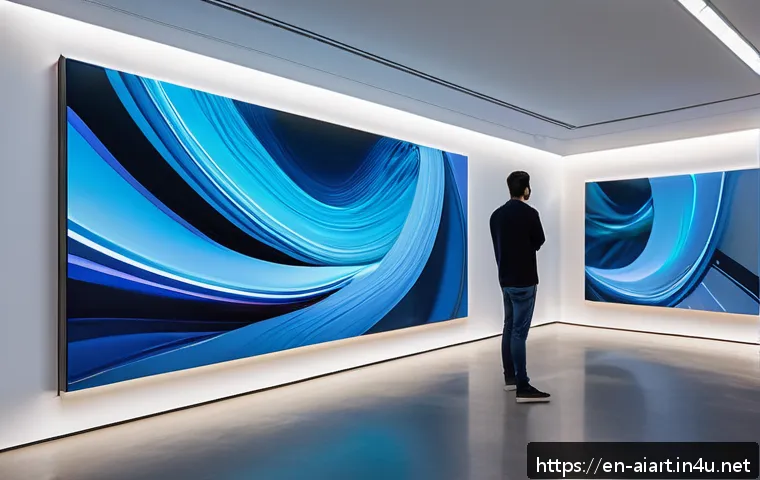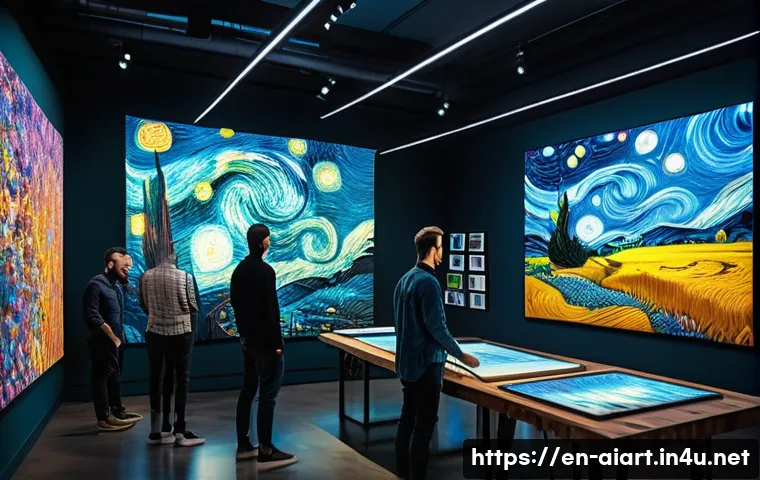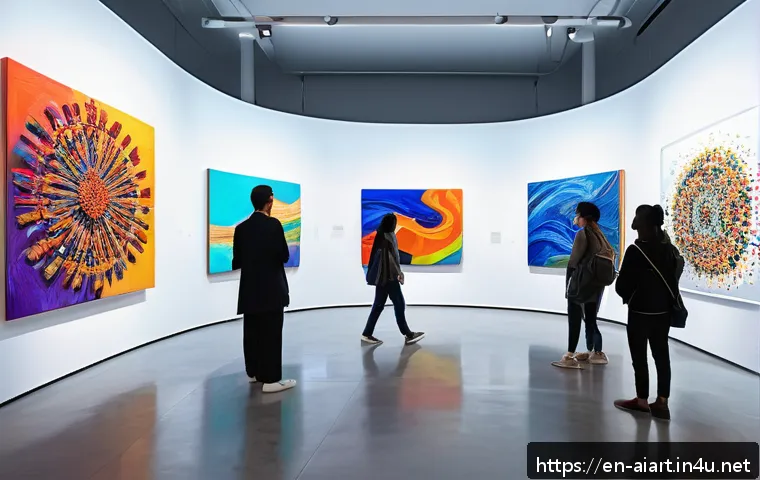
In a world where technology constantly reshapes how we express ourselves, the 2024 AI Art Exhibition stands out as a groundbreaking celebration of creativity and innovation.
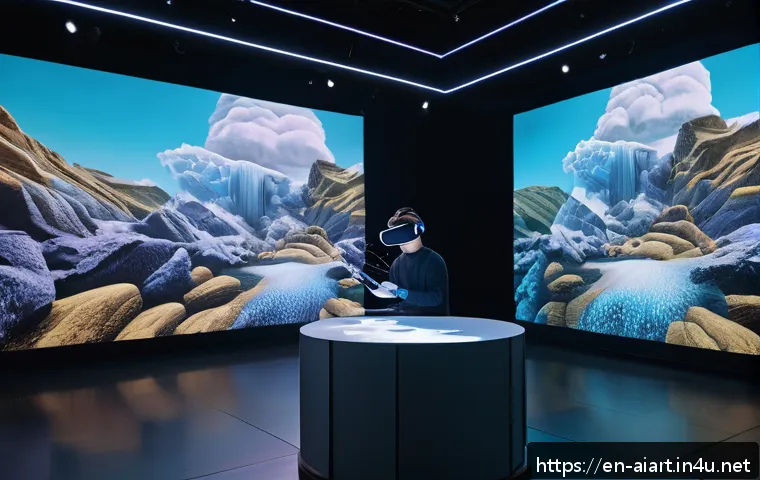
This event isn’t just about art; it’s a glimpse into the future, where human imagination meets cutting-edge artificial intelligence. As AI-generated masterpieces captivate audiences worldwide, this exhibition offers a unique chance to experience the evolving relationship between artist and machine.
Whether you’re an art lover, tech enthusiast, or simply curious, the fusion of creativity and AI promises to challenge your perceptions and inspire new ideas.
Let’s dive into what makes this exhibition a must-see highlight of the year.
Reimagining Artistic Boundaries with AI
Exploring the Creative Dialogue Between Human and Machine
The most fascinating aspect of this year’s exhibition is how it captures the evolving conversation between artists and artificial intelligence. Unlike traditional art forms, AI-generated pieces emerge from an algorithmic collaboration, where human creativity sets the direction and AI executes or enhances the vision.
Walking through the galleries, I noticed how artists use AI not just as a tool but as a creative partner. This synergy challenges the conventional notion of authorship, pushing us to rethink what it means to be an artist in the digital age.
It’s not about replacing human expression but expanding its possibilities through computational imagination.
Techniques and Tools Behind the AI Art
Many of the featured works utilize advanced neural networks, such as generative adversarial networks (GANs) and diffusion models, to create stunning visual outputs.
I was particularly intrigued by how these technologies can interpret abstract concepts or emotional states and transform them into vivid, unexpected images.
Some artists even incorporate real-time AI processing to generate evolving artworks that change based on audience interaction, blurring the line between static and dynamic art.
This hands-on engagement demonstrates how AI can personalize art experiences uniquely for every visitor.
Ethical Considerations in AI-Driven Creativity
The exhibition also sparks important conversations about originality, copyright, and the ethical use of data in AI art production. Artists and curators openly discuss the challenges surrounding training data sourced from existing artworks and the potential biases embedded within AI systems.
As a visitor, it was eye-opening to hear these nuanced perspectives, which add depth to the viewing experience. This transparency emphasizes that AI art is not only a technological marvel but also a space for critical reflection on the responsibilities involved in merging human culture with machine learning.
Diverse Artistic Styles Amplified by AI
From Abstract Expressionism to Photorealism
One of the exhibition’s standout features is the breathtaking range of artistic styles generated through AI. Whether it’s the vibrant chaos reminiscent of abstract expressionism or the meticulous detail found in photorealistic portraits, AI algorithms adapt and reinterpret countless art genres with surprising fluency.
I was particularly impressed by a series of landscapes that blended impressionistic brushstrokes with surreal elements, creating dreamlike visuals that felt both familiar and otherworldly.
This versatility shows how AI doesn’t limit creative expression but rather multiplies the avenues artists can explore.
Hybrid Art Forms: Combining Traditional and Digital Mediums
Several pieces showcased hybrid methods where AI-generated elements were printed onto traditional canvases or integrated into mixed-media installations.
This hybrid approach bridges the tactile richness of physical art with the innovative capabilities of digital creation. Experiencing these works firsthand, I could sense the intentional dialogue between the tangible and the virtual, which enriched the overall sensory impact.
It’s a reminder that AI’s role in art is complementary, not substitutive, enhancing the artist’s palette with new textures and dimensions.
The Role of AI in Democratizing Art
Another exciting angle is how AI lowers barriers for emerging artists who may lack formal training or access to expensive materials. By providing sophisticated creative tools accessible through simple interfaces, AI empowers a broader spectrum of people to express themselves artistically.
At the exhibition, I met several creators who shared how AI helped them translate their ideas into polished works they could never have produced otherwise.
This democratization fosters greater inclusivity and diversity in the art world, which is crucial for its continued evolution.
Interactive Installations and Immersive Experiences
Engaging the Senses Through Multimodal AI
The exhibition features several installations that engage multiple senses simultaneously, combining visuals, sound, and even tactile feedback powered by AI.
One particularly memorable piece used AI to generate ambient soundscapes reacting to the viewer’s movements, creating an immersive environment where art felt alive and responsive.
Experiencing this, I found myself more deeply connected to the artwork, as if the machine was intuitively responding to my presence. These multisensory experiences demonstrate AI’s potential to redefine how we perceive and interact with art.
Audience Participation as a Creative Element
Several exhibits invite visitors to actively participate in the art-making process by inputting their own data, such as voice, facial expressions, or movement.
The AI then incorporates these inputs to generate unique, personalized artworks in real time. Watching this unfold, I realized that the audience is no longer a passive observer but an integral part of the creative cycle.
This interactivity transforms the art experience into a collaborative event, emphasizing the dynamic relationship between humans and technology.
Blending Virtual Reality with AI Art
Virtual reality (VR) environments enhanced with AI algorithms offer another layer of immersion, where visitors can explore surreal landscapes or manipulate AI-generated objects in three-dimensional space.

I tried a VR installation that allowed me to “paint” with AI-assisted brushes that responded intuitively to my gestures, enabling complex patterns and textures effortlessly.
This fusion of VR and AI pushes the boundaries of creativity, giving artists and audiences new tools to engage with art beyond the flat canvas.
Emerging Trends Shaping AI Art
Personalized Art Experiences
A growing trend highlighted at the exhibition is the customization of artworks based on individual preferences or emotional states. Using AI-driven analytics, some installations adapt their visual or auditory outputs to resonate more deeply with each viewer.
I experienced one piece that subtly shifted color schemes and patterns depending on my biometric feedback, such as heart rate and eye movement. This personalization makes art feel more intimate and meaningful, fostering a stronger emotional connection.
Cross-Disciplinary Collaborations
The convergence of AI art with fields like neuroscience, psychology, and even fashion is becoming more prominent. Artists are collaborating with scientists and technologists to explore how AI can visualize cognitive processes or influence wearable art designs.
At the event, I saw projects where AI-generated motifs were integrated into fabric patterns, creating clothing that blurs the line between functional design and artistic expression.
These cross-disciplinary ventures open exciting possibilities for expanding the scope of AI creativity beyond traditional galleries.
Environmental and Social Impact Art
Many AI artists are harnessing technology to address pressing global issues such as climate change and social justice. Using data-driven AI models, they create works that visualize environmental data or simulate social dynamics, making abstract problems more tangible.
I found these pieces profoundly moving, as they use AI not just to entertain but to provoke awareness and inspire action. This socially conscious approach adds a powerful dimension to the AI art movement, showing how technology can serve as a catalyst for positive change.
Understanding AI Art Through Comparative Analysis
Key Features and Differences Among Popular AI Art Platforms
To help clarify the diversity within AI art creation, here’s a comparison of some leading AI art platforms featured at the exhibition. This table breaks down their core technologies, artistic styles, and user engagement approaches:
| Platform | Core Technology | Artistic Style | User Interaction | Notable Features |
|---|---|---|---|---|
| DeepDream | Convolutional Neural Networks | Surreal, Dream-like | Image Upload & Transformation | Iconic psychedelic visuals |
| DALL·E 3 | Transformer-based Diffusion | Photorealistic & Abstract | Text-to-Image Generation | High customization and detail |
| Runway ML | GANs & Style Transfer | Mixed Media & Experimental | Video & Image Editing Tools | Real-time creative workflows |
| Artbreeder | Genetic Algorithms | Portraits & Landscapes | Parameter Blending | Collaborative art evolution |
How These Platforms Influence Artistic Outcomes
Each platform’s underlying technology and interface shape the artistic possibilities in distinct ways. For example, DeepDream’s convolutional networks emphasize abstract patterning that feels otherworldly, while DALL·E’s transformer models excel at generating detailed, context-aware images from textual prompts.
My experience experimenting with these tools showed how the choice of platform can dramatically affect the creative process and final result, offering artists an expansive toolkit tailored to their vision.
Accessibility and Learning Curves
While some platforms prioritize ease of use with intuitive interfaces, others require more technical knowledge to unlock their full potential. This diversity means that both novices and seasoned digital artists can find suitable AI tools that match their skill levels.
During the exhibition, workshops helped attendees get hands-on with these platforms, breaking down complex concepts into approachable tutorials. This educational component is vital for fostering a new generation of AI artists who can confidently harness these innovative technologies.
Conclusion
The exploration of AI in art reveals a transformative dialogue between technology and human creativity, expanding the boundaries of expression. This evolving collaboration invites us to reconsider traditional notions of authorship and artistic experience. As AI continues to integrate with various mediums, it opens exciting possibilities for innovation and inclusivity in the art world. Embracing these changes promises a dynamic future where imagination and technology coexist harmoniously.
Useful Information to Know
1. AI art combines human creativity with machine learning, enabling new forms of artistic expression.
2. Popular AI tools like GANs, diffusion models, and transformer networks each offer unique creative capabilities.
3. Interactive AI installations engage audiences by personalizing experiences through biometric and behavioral inputs.
4. AI democratizes art creation by providing accessible tools to emerging artists without formal training.
5. Ethical considerations, such as data sourcing and authorship, remain essential topics in AI-driven art.
Key Takeaways
Understanding AI art requires recognizing its role as a collaborative partner rather than a replacement for human creativity. The diverse technologies powering AI art offer varied styles and levels of user engagement, making it accessible to a wide audience. Moreover, the integration of AI in art challenges traditional concepts of originality and ethics, highlighting the importance of transparency and responsibility. Ultimately, AI art enriches the cultural landscape by fostering inclusivity, innovation, and new sensory experiences.
Frequently Asked Questions (FAQ) 📖
Q: What can I expect to see at the 2024
A: I Art Exhibition? A1: The exhibition showcases a diverse range of artworks created with the help of artificial intelligence. You’ll find everything from stunning digital paintings and interactive installations to generative sculptures and immersive multimedia experiences.
It’s not just about the final pieces; many exhibits also reveal the creative process behind the AI tools, offering insight into how technology and human creativity intertwine.
Whether you’re fascinated by visual art or curious about AI’s role in creativity, this event provides a comprehensive and engaging experience.
Q: Is the 2024
A: I Art Exhibition suitable for people without a tech background? A2: Absolutely! The exhibition is designed to be accessible and enjoyable for everyone, regardless of technical knowledge.
Many of the displays use intuitive interfaces and interactive elements to help visitors engage with the art easily. Plus, there are guided tours and explanatory panels that break down complex AI concepts into understandable terms.
I attended last year’s show and found it surprisingly approachable — it sparked my curiosity and made me appreciate how AI can enhance creative expression without needing a technical degree.
Q: How is
A: I transforming the traditional art scene as seen in this exhibition? A3: AI is reshaping art by opening new creative possibilities that were previously unimaginable.
In the exhibition, you’ll notice that AI can generate novel patterns, styles, and compositions by learning from vast datasets of existing art. This collaboration between human artists and AI systems challenges traditional notions of authorship and creativity.
From my experience, it’s exciting to see artists using AI not just as a tool but as a creative partner, pushing boundaries and inspiring fresh perspectives that blend technology with human emotion in ways that feel both futuristic and deeply personal.