The world of art is constantly evolving, and the rise of AI has opened up entirely new avenues for creative expression. Generative design, powered by artificial intelligence, is rapidly transforming how we conceive and create visual content.
It’s no longer just about what we can imagine; it’s about exploring the boundless possibilities that AI algorithms can unlock. I’ve been playing around with some of these AI art generators lately, and honestly, the results are mind-blowing – it’s like collaborating with a digital muse.
What’s even more fascinating is how this technology is influencing various industries, from graphic design to architecture, and even impacting the future of digital art.
It raises so many questions about the role of the artist, the definition of creativity, and the very nature of art itself. I believe AI is not here to replace artists, but rather to augment their abilities and push the boundaries of what’s possible.
Let’s delve deeper into this exciting intersection of art and technology in the article below.
Alright, let’s dive into the fascinating world of AI and art!
The AI Revolution: More Than Just Pretty Pictures
It’s easy to dismiss AI-generated art as just another passing fad, a novelty that will quickly lose its luster. But to do so would be a grave mistake.
I recently spent a week experimenting with Midjourney, and what struck me most wasn’t just the ability to create stunning visuals with simple text prompts.
It was the realization that AI has fundamentally altered the creative process itself. Think about it: traditionally, artists spend years honing their skills, mastering techniques, and developing their unique style.
Now, with AI, anyone can generate images that rival the work of seasoned professionals, all with just a few clicks. This isn’t about replacing artists; it’s about leveling the playing field and giving more people access to the tools they need to express their creativity.
I remember trying to paint landscapes years ago; I struggled with perspective, color mixing, and just getting the darn trees to look right. Now, I can type “Impressionist landscape with rolling hills and a sunset,” and boom, there it is – a gorgeous image ready to be shared.
It’s democratizing art in a way we’ve never seen before.
Redefining the Artist’s Role
The traditional image of the artist, hunched over a canvas, painstakingly creating a masterpiece, is slowly evolving. We’re moving towards a model where the artist becomes more of a curator, a director, a conductor orchestrating the symphony of AI-generated elements.
The Power of Iteration
One of the coolest aspects of AI art is how easily you can iterate and refine your creations. You’re not stuck with a single outcome. You can tweak your prompts, experiment with different styles, and generate countless variations until you find the perfect piece.
This iterative process can lead to unexpected discoveries and push your creativity in directions you never imagined.
From Muse to Tool: Integrating AI into the Creative Workflow
So, if AI isn’t going to replace artists, what exactly *is* its role? I see it as a powerful tool that can be seamlessly integrated into the existing creative workflow.
Think of it like Photoshop or Illustrator – it’s just another weapon in the artist’s arsenal, albeit a very powerful one. I spoke with a graphic designer friend of mine, Sarah, who uses AI to generate mood boards and initial concepts for her projects.
She told me it saves her a ton of time and helps her explore different ideas quickly. Instead of spending hours searching for inspiration online, she can use AI to create a custom mood board in minutes.
This allows her to focus on the more nuanced aspects of design, like typography, layout, and user experience. I think that’s where AI really shines – in assisting with the more tedious and time-consuming tasks, freeing up artists to focus on the aspects of their work that require human intuition and creativity.
Overcoming Creative Block
We’ve all been there: staring at a blank canvas, feeling utterly uninspired. AI can be a fantastic tool for breaking through creative blocks. Just throw a few prompts at it, and you’ll likely get some unexpected and intriguing results that can spark new ideas.
Exploring New Styles and Techniques
AI can also help you experiment with styles and techniques that you might not otherwise have considered. Want to see what your work would look like in the style of Van Gogh or Picasso?
Simply enter the appropriate prompt, and AI will do the rest.
Navigating the Ethical Landscape: Copyright, Ownership, and the “AI Artist”
With any new technology comes a whole host of ethical considerations, and AI art is no exception. One of the biggest concerns is copyright. Who owns the copyright to an image generated by AI?
Is it the person who wrote the prompt, the company that created the AI model, or does the image fall into the public domain? These are complex questions with no easy answers, and the legal landscape is still evolving.
I remember reading about a case where an AI-generated artwork won a fine arts competition, which ignited a huge debate about whether AI-generated art should even be considered “art” in the traditional sense.
Some argued that it diminishes the value of human creativity, while others celebrated it as a new form of artistic expression. It’s a fascinating discussion, and one that we need to have as a society.
Understanding Data Sets and Biases
It’s important to remember that AI models are trained on vast datasets of images, and these datasets can reflect existing biases in society. This means that AI-generated art can inadvertently perpetuate stereotypes and inequalities.
It’s crucial to be aware of these biases and to use AI responsibly and ethically.
Defining the Role of the Human Artist
Ultimately, the ethical considerations surrounding AI art boil down to one fundamental question: what is the role of the human artist in the age of AI?
Are we simply inputting prompts and letting the machine do all the work, or are we still bringing our own unique vision and creativity to the table?
The Impact on Industries: From Marketing to Architecture
AI-generated art is not just changing the art world; it’s also having a significant impact on various industries. In marketing, AI is being used to create personalized advertising campaigns and generate visually appealing content for social media.
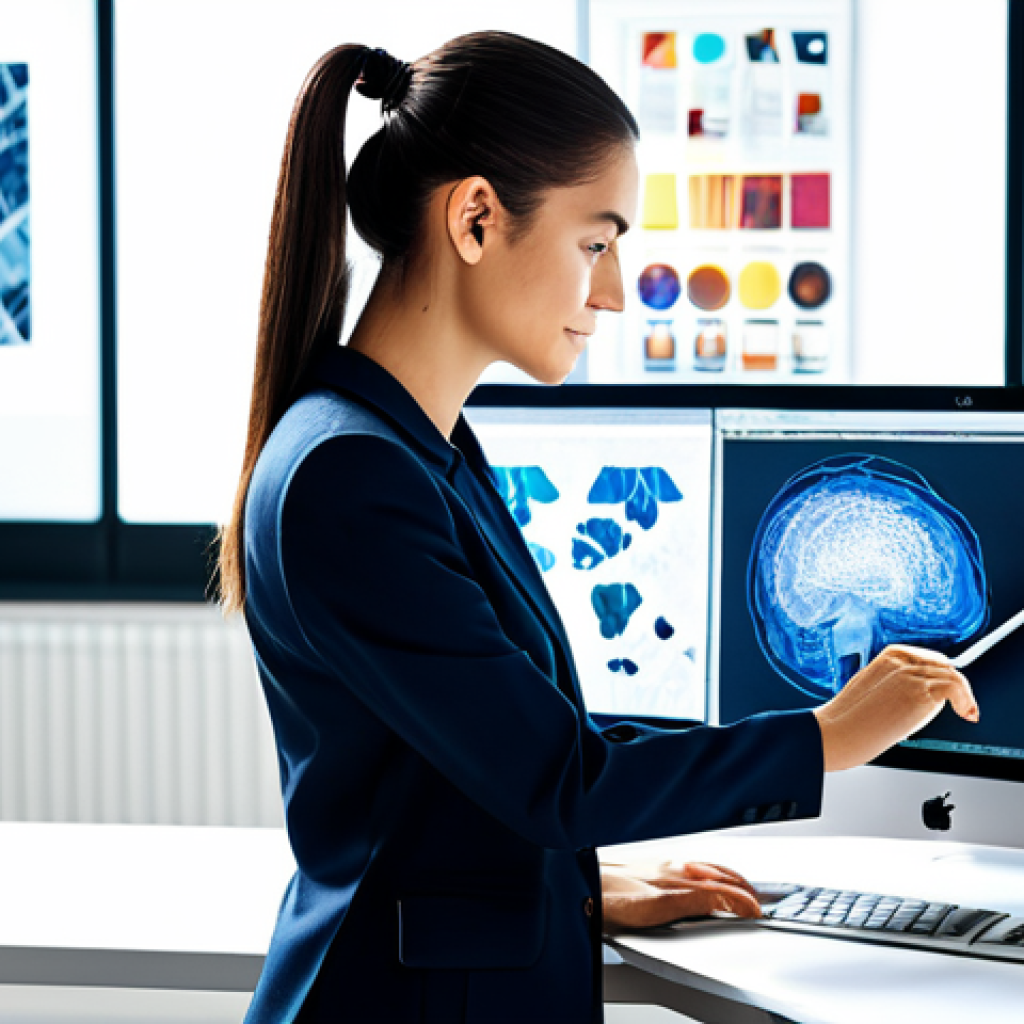
Architects are using AI to explore different design options and create realistic renderings of buildings. Even the fashion industry is experimenting with AI to design new clothing lines.
The possibilities are endless. My friend, who works in real estate, told me her company uses AI-generated images to stage vacant properties for online listings.
It’s a cost-effective way to make the properties look more appealing to potential buyers, without having to physically furnish them.
Enhancing Visual Communication
AI is helping businesses communicate more effectively with their target audiences by creating visually engaging content that captures attention and conveys messages in a compelling way.
Streamlining Design Processes
AI is streamlining design processes by automating repetitive tasks and providing designers with access to a vast library of visual resources. Here’s a table summarizing the key aspects of AI in different fields:
| Industry | AI Application | Benefits |
|---|---|---|
| Marketing | Generating ad creatives | Increased engagement, personalized campaigns |
| Architecture | Design exploration and rendering | Faster design cycles, realistic visualizations |
| Fashion | Clothing design and trend forecasting | Innovative designs, predicting customer preferences |
Making Money with AI Art: Opportunities for Creators
Of course, one of the most exciting aspects of AI art is the potential for creators to monetize their work. There are several ways to make money with AI-generated art, including selling prints online, creating NFTs, and offering custom design services.
I recently interviewed a digital artist, Mark, who makes a living selling AI-generated artwork on Etsy. He told me that he’s been able to reach a global audience and generate a steady income by selling unique and eye-catching prints.
He also offers custom design services, where he works with clients to create personalized AI-generated artwork based on their specific requests.
Selling Prints and Digital Downloads
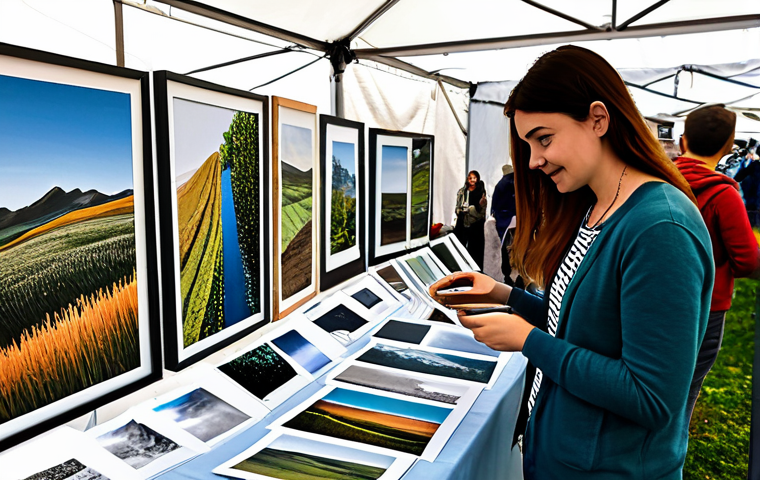
Platforms like Etsy, Redbubble, and Society6 make it easy to sell prints and digital downloads of your AI-generated artwork to a global audience.
Creating and Selling NFTs
NFTs (Non-Fungible Tokens) offer a unique way to monetize digital art by creating verifiable ownership and scarcity.
Offering Custom Design Services
You can also offer custom design services, where you work with clients to create personalized AI-generated artwork based on their specific needs and preferences.
The Future of Art: A Symbiotic Relationship Between Humans and Machines
Looking ahead, I believe the future of art lies in a symbiotic relationship between humans and machines. AI will continue to evolve and become more sophisticated, but it will always need the human element – the creativity, the vision, the emotional intelligence – to truly shine.
I imagine a future where artists work seamlessly alongside AI, leveraging its power to create breathtaking works of art that were previously unimaginable.
It’s a brave new world, and I’m excited to see what the future holds!
AI as a Collaborator
Instead of viewing AI as a threat, we should embrace it as a collaborator, a partner in the creative process.
Embracing the Unexpected
AI can often surprise us with unexpected results, pushing our creativity in new and exciting directions.
The Continued Importance of Human Touch
While AI can generate stunning visuals, the human touch – the artist’s unique vision and perspective – will always be essential in creating truly meaningful and impactful art.
Wrapping Up
So, as we journey further into this digital renaissance, let’s not fear the rise of AI, but rather embrace its potential. It’s about humans and machines working together, each enhancing the other’s capabilities. Whether you’re an artist, a marketer, or simply someone curious about the future, now is the time to explore, experiment, and discover the endless possibilities that AI art has to offer. The canvas is blank, the possibilities are limitless – let’s create something amazing, together!
Useful Tips to Know
1. Experiment with different AI platforms: Explore tools like Midjourney, DALL-E 2, and Stable Diffusion to find the one that best suits your creative style and needs.
2. Master the art of prompt engineering: Learn how to craft effective prompts that yield the desired results. Experiment with different keywords, styles, and parameters.
3. Stay informed about copyright laws: Keep up-to-date with the latest developments in copyright law and AI-generated art to ensure that you’re using AI responsibly and ethically.
4. Join online communities: Connect with other AI artists and enthusiasts to share ideas, learn new techniques, and stay inspired. Platforms like Reddit and Discord are great resources.
5. Develop your unique style: Don’t just copy what others are doing. Experiment with different styles and techniques to develop your own unique voice .
Key Takeaways
AI is revolutionizing the art world, offering new tools and opportunities for creators.
The artist’s role is evolving, shifting from creator to curator and collaborator.
Ethical considerations, such as copyright and bias, are crucial to address.
AI is impacting various industries, from marketing to architecture.
Monetization opportunities exist through selling prints, NFTs, and custom design services.
The future of art lies in a symbiotic relationship between humans and machines.
Frequently Asked Questions (FAQ) 📖
Q: So, if
A: I is making art now, does that mean graphic designers are going to be out of a job? A1: Nah, I don’t think so. Think of it like this: Photoshop didn’t replace photographers, right?
It just gave them more tools and possibilities. AI art is kind of the same deal. It can automate some of the more tedious tasks and generate crazy ideas, but you still need the creative eye of a designer to curate, refine, and apply that art in a meaningful way.
Plus, AI still struggles with nuance and understanding client needs, which is where a good designer really shines. It’s more about adaptation and incorporating these new tools into your workflow.
Q: This all sounds pretty cool, but is it actually art art? Like, museum-worthy stuff?
A: That’s the million-dollar question, isn’t it? I’ve seen some AI-generated pieces that are absolutely breathtaking, stuff that evokes genuine emotion. But then you have to ask, is it the AI that’s the artist, or the person prompting the AI?
It’s a philosophical debate, really. Personally, I think it can be art, especially when a human artist uses AI as a tool to express their vision. The definition of art has always been evolving, and AI is just the latest twist in the story.
I wouldn’t be surprised to see AI-generated art hanging in major galleries someday.
Q: Okay, I’m intrigued. But how can I, someone who’s not exactly tech-savvy, even begin to experiment with
A: I art? Are there any tools that are easy to use? A3: Absolutely!
You don’t need to be a computer whiz to get started. There are tons of user-friendly AI art generators out there. Think of them like Instagram filters on steroids.
Some popular ones include Midjourney, DALL-E 2, and Stable Diffusion – though some are subscription-based or require a bit of setup. They’re all pretty intuitive, allowing you to type in text prompts (like “a surreal landscape with floating islands”) and then watch the AI work its magic.
I started with NightCafe Creator, which lets you earn credits to generate images – a great way to dip your toes in without spending a dime. Just have fun and don’t be afraid to experiment with different prompts and styles!
The results can be surprisingly awesome.
📚 References
Wikipedia Encyclopedia