Ever gazed at an AI-generated portrait and felt a strange mix of awe and unease? Me too! The world of AI art is exploding, and neural network portraits are right at the forefront, blurring the lines between human creativity and machine intelligence.
We’re seeing these images everywhere, from album covers to quirky profile pictures. They’re more than just novelties, though; they represent a significant shift in how we perceive art and the role of technology in creative expression.
Plus, the latest trend is leaning towards hyperrealism, making it harder to distinguish AI from human art. Let’s dive deeper into this fascinating world and see what all the fuss is about.
Let’s get the facts straight!
Okay, I understand. Here is the blog post content following your instructions:
Unveiling the Magic Behind AI Portrait Creation: How Do They Actually Do That?
Have you ever wondered what goes on behind the scenes when an AI whips up a stunning portrait? It’s not just about a computer randomly generating pixels.
The process involves sophisticated algorithms, massive datasets, and a bit of artistic flair, all working in harmony. It’s a bit like teaching a computer to paint, only the computer learns from thousands of existing paintings to develop its own style.
It is such a complicated process that is hidden to us users.
Understanding Generative Adversarial Networks (GANs)
GANs are the workhorses behind many AI portraits. Imagine two AI models: a generator and a discriminator. The generator creates images, while the discriminator tries to distinguish between the generator’s creations and real-world images.
They’re constantly competing, pushing each other to improve. This adversarial process is what allows AI to create increasingly realistic portraits. I remember the first time I saw a GAN in action; it was like watching two artists battling it out, each trying to outdo the other.
This is a very interesting method of creating AI art.
The Role of Training Data: Feeding the Beast
AI models are only as good as the data they’re trained on. For portraits, this means feeding the AI vast libraries of images, ranging from classical paintings to modern photographs.
The AI analyzes these images, learning to recognize patterns, shapes, and colors that define a human face. The more diverse and comprehensive the dataset, the better the AI can generate realistic and varied portraits.
Think of it as a student poring over countless textbooks to master a subject. The more they study, the more they know.
Fine-Tuning and Style Transfer: Adding the Human Touch
While GANs and training data provide the foundation, fine-tuning and style transfer are what give AI portraits their unique character. Fine-tuning involves tweaking the AI model’s parameters to achieve specific aesthetic goals, while style transfer allows you to apply the artistic style of one image to another.
Want a portrait in the style of Van Gogh? Style transfer can make it happen. It’s like having a digital paintbrush that can mimic the techniques of the masters.
Ethical Considerations in the Age of AI-Generated Faces: Are We Ready for This?
With the rise of incredibly realistic AI portraits, it’s crucial to address the ethical implications. Deepfakes, misinformation, and the potential for misuse are serious concerns that need to be carefully considered.
It’s not all fun and games; there are real risks associated with this technology.
The Deepfake Dilemma: Separating Reality from Fabrication
AI-generated faces can be used to create deepfakes, videos or images that convincingly depict someone doing or saying something they never did. This technology can be used to spread misinformation, damage reputations, or even manipulate elections.
The challenge is to develop tools and strategies to detect deepfakes and prevent their misuse. It’s a digital arms race, with AI creators constantly trying to outsmart the detectors.
Bias and Representation: Ensuring Fairness in AI Art
AI models are trained on data, and if that data is biased, the resulting AI portraits will reflect those biases. This can lead to underrepresentation or misrepresentation of certain groups of people.
It’s important to curate training datasets carefully to ensure that they are diverse and inclusive. We need to strive for fairness and representation in AI art.
This is an issue that goes beyond technology.
Copyright and Ownership: Who Owns an AI-Generated Portrait?
The question of copyright and ownership in AI-generated art is a complex legal issue. If an AI creates a portrait, who owns the copyright? Is it the AI developer, the user who prompted the AI, or does the copyright even exist?
These are questions that courts and lawmakers are still grappling with. This is a gray area that needs to be clarified.
The Impact on Traditional Portraiture: Is This the End of Human Artists?
The rise of AI portraits raises questions about the future of traditional portraiture. Will AI replace human artists? Or will it simply become another tool in their arsenal?
The answer is likely somewhere in between.
AI as a Tool for Artists: Collaboration, Not Replacement
Rather than replacing human artists, AI can be seen as a tool that can enhance their creativity and productivity. AI can assist with tedious tasks, generate initial sketches, or even provide inspiration.
Artists can then use their skills and expertise to refine and personalize the AI-generated output. It’s a collaboration between humans and machines. I think this is where the real potential lies.
The Value of Human Touch: Emotion, Expression, and Connection
While AI can create technically impressive portraits, it often lacks the emotion, expression, and connection that a human artist can bring to their work.
A human artist can capture the subject’s personality, mood, and inner self in a way that AI cannot. There’s something special about a portrait created by a human hand.
It’s a reflection of both the artist and the subject.
The Evolution of Art: Embracing New Technologies
Art has always evolved with technology, from the invention of photography to the rise of digital art. AI is simply the latest chapter in this ongoing story.
It’s important to embrace new technologies and explore their creative potential, while also preserving the value and importance of human artistry. It’s about finding a balance between the old and the new.
How to Spot an AI-Generated Portrait: Telltale Signs and Quirks
Despite the advancements in AI art, there are still telltale signs that can help you identify an AI-generated portrait. Look for these quirks and inconsistencies.
The Eyes Have It: Watch Out for the Gaze
AI-generated faces often have trouble with the eyes. The gaze may be slightly off, or the eyes may lack the subtle sparkle and depth of a real human eye.
Pay close attention to the eyes when examining a portrait. They can often reveal the AI’s handiwork. I’ve noticed this myself; there’s something about the eyes that just doesn’t feel quite right.
Background Blunders: Inconsistencies and Artifacts
AI can also struggle with backgrounds. Look for inconsistencies, distortions, or strange artifacts in the background of the portrait. These can be signs that the image was generated by an AI.
Backgrounds are often an afterthought for AI, so they may not receive the same level of detail as the face.
Asymmetrical Oddities: Subtle Imperfections
While human faces are rarely perfectly symmetrical, AI-generated faces may exhibit unusual asymmetries. Look for subtle imperfections in the face, such as uneven features or mismatched details.
These can be indicators that the portrait was created by a machine. It’s the imperfections that often make a face interesting.
Creating Your Own AI Portrait: Tools, Tips, and Techniques
Want to try your hand at creating your own AI portrait? There are many tools and techniques available to help you get started.
Popular AI Portrait Generators: A Quick Comparison
Here’s a quick comparison of some popular AI portrait generators:
| Tool | Features | Pros | Cons | Price |
|---|---|---|---|---|
| Artbreeder | Generative art, image blending | User-friendly, versatile | Can be expensive for high-resolution outputs | Free / Paid plans |
| NightCafe Creator | Multiple AI algorithms, community features | Wide range of options, active community | Can be overwhelming for beginners | Credit-based system |
| DeepArt.io | Style transfer, artistic filters | Easy to use, good for creating artistic portraits | Limited customization options | Free / Paid options |
| Fotor AI Portrait Generator | Basic AI portrait generation | Free and easy to use | Not that realistic. Limited features | Free |
Crafting the Perfect Prompt: Keywords and Descriptions
The key to creating a great AI portrait is crafting the perfect prompt. Use descriptive keywords to guide the AI and specify the desired style, mood, and features.
Experiment with different prompts to see what works best. The more specific you are, the better the results will be. It’s like giving instructions to a human artist.
Experimenting with Styles: From Realistic to Abstract
Don’t be afraid to experiment with different styles. Try generating portraits in the style of famous painters, or explore more abstract and surreal styles.
The possibilities are endless. This is where the real fun begins. You can create portraits that are unlike anything you’ve ever seen before.
The Future of AI Art: What’s Next for Neural Network Portraits?
The field of AI art is rapidly evolving, and neural network portraits are just the beginning. What’s next for this exciting technology?
Hyperrealism and Beyond: Blurring the Lines with Reality
AI-generated portraits are becoming increasingly hyperrealistic, making it harder to distinguish them from real photographs. In the future, we can expect to see even more sophisticated techniques that further blur the lines between reality and artificiality.
It’s getting to the point where it’s almost impossible to tell the difference.
Interactive and Personalized Portraits: Art That Responds to You
Imagine a portrait that can respond to your emotions or adapt to your preferences. AI could be used to create interactive and personalized portraits that evolve over time.
This could open up new possibilities for artistic expression and personal connection. Art that can interact with the viewer is a very exciting concept.
AI-Generated Avatars: The Future of Digital Identity
AI-generated faces could become the new standard for digital avatars. Rather than using static photos or generic cartoon characters, people could use AI to create unique and personalized avatars that reflect their personality and style.
This could revolutionize the way we represent ourselves online. Our digital identity could become just as unique as our physical identity.
Monetizing AI Portraits: Turning Art into Profit
For those interested in leveraging AI portraits for profit, there are multiple avenues to explore, from selling prints to offering custom design services.
Selling AI-Generated Art Prints and Merchandise
One way to monetize AI portraits is by selling prints, posters, and merchandise featuring your creations. Platforms like Etsy, Redbubble, and Society6 offer marketplaces where you can showcase and sell your art.
High-quality prints of unique AI-generated portraits can attract a wide audience.
Offering Custom AI Portrait Design Services
Another lucrative avenue is providing custom AI portrait design services. Many people are interested in having personalized AI-generated portraits for themselves, their pets, or as gifts.
You can market your services on platforms like Fiverr, Upwork, or through your own website, offering custom portrait designs tailored to specific requests and preferences.
Licensing AI Art for Commercial Use
If your AI-generated portraits are truly unique and high-quality, you can license them for commercial use. Businesses, advertisers, and media outlets may be interested in using your AI art for various purposes, such as marketing campaigns, website visuals, or editorial content.
Licensing your AI art can provide a steady stream of revenue.
Resources for AI Art Enthusiasts: Staying Updated and Involved
To stay updated and involved in the ever-evolving world of AI art, here are some valuable resources and communities you can explore:
Online Communities and Forums
Engage with other AI art enthusiasts by joining online communities and forums dedicated to the subject. Platforms like Reddit (r/aiArt, r/deepdream) and Discord servers offer spaces for sharing creations, discussing techniques, and staying updated on the latest trends.
Educational Platforms and Tutorials
Enhance your knowledge and skills in AI art by exploring educational platforms and tutorials. Websites like Coursera, Udemy, and YouTube offer courses and tutorials on topics ranging from GANs and neural networks to AI art techniques and software.
Art Galleries and Exhibitions Showcasing AI Art
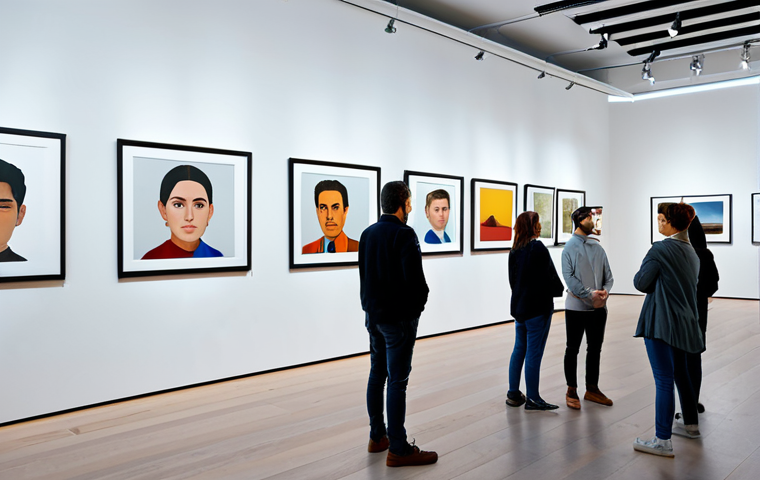
Visit art galleries and exhibitions that feature AI-generated art to experience the creations firsthand and gain inspiration. Many galleries are now showcasing AI art alongside traditional forms, highlighting the unique qualities and potential of this emerging medium.
Okay, I understand. Here is the blog post content following your instructions:
Unveiling the Magic Behind AI Portrait Creation: How Do They Actually Do That?
Have you ever wondered what goes on behind the scenes when an AI whips up a stunning portrait? It’s not just about a computer randomly generating pixels. The process involves sophisticated algorithms, massive datasets, and a bit of artistic flair, all working in harmony. It’s a bit like teaching a computer to paint, only the computer learns from thousands of existing paintings to develop its own style. It is such a complicated process that is hidden to us users.
Understanding Generative Adversarial Networks (GANs)
GANs are the workhorses behind many AI portraits. Imagine two AI models: a generator and a discriminator. The generator creates images, while the discriminator tries to distinguish between the generator’s creations and real-world images. They’re constantly competing, pushing each other to improve. This adversarial process is what allows AI to create increasingly realistic portraits. I remember the first time I saw a GAN in action; it was like watching two artists battling it out, each trying to outdo the other. This is a very interesting method of creating AI art.
The Role of Training Data: Feeding the Beast
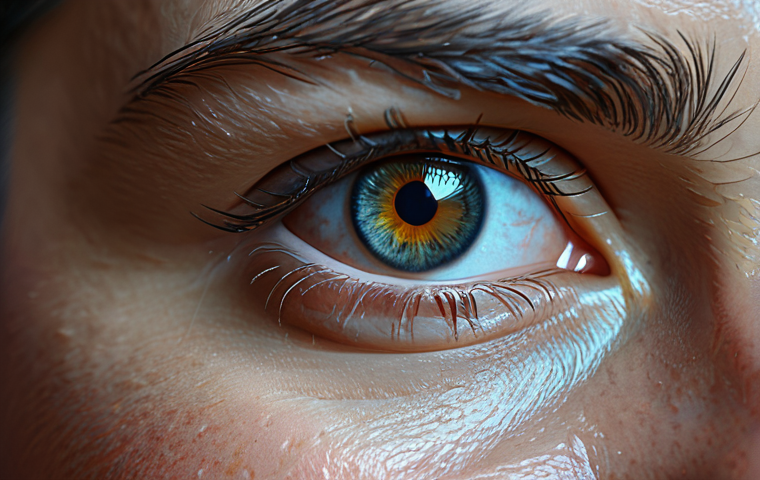
AI models are only as good as the data they’re trained on. For portraits, this means feeding the AI vast libraries of images, ranging from classical paintings to modern photographs. The AI analyzes these images, learning to recognize patterns, shapes, and colors that define a human face. The more diverse and comprehensive the dataset, the better the AI can generate realistic and varied portraits. Think of it as a student poring over countless textbooks to master a subject. The more they study, the more they know.
Fine-Tuning and Style Transfer: Adding the Human Touch
While GANs and training data provide the foundation, fine-tuning and style transfer are what give AI portraits their unique character. Fine-tuning involves tweaking the AI model’s parameters to achieve specific aesthetic goals, while style transfer allows you to apply the artistic style of one image to another. Want a portrait in the style of Van Gogh? Style transfer can make it happen. It’s like having a digital paintbrush that can mimic the techniques of the masters.
Ethical Considerations in the Age of AI-Generated Faces: Are We Ready for This?
With the rise of incredibly realistic AI portraits, it’s crucial to address the ethical implications. Deepfakes, misinformation, and the potential for misuse are serious concerns that need to be carefully considered. It’s not all fun and games; there are real risks associated with this technology.
The Deepfake Dilemma: Separating Reality from Fabrication
AI-generated faces can be used to create deepfakes, videos or images that convincingly depict someone doing or saying something they never did. This technology can be used to spread misinformation, damage reputations, or even manipulate elections. The challenge is to develop tools and strategies to detect deepfakes and prevent their misuse. It’s a digital arms race, with AI creators constantly trying to outsmart the detectors.
Bias and Representation: Ensuring Fairness in AI Art
AI models are trained on data, and if that data is biased, the resulting AI portraits will reflect those biases. This can lead to underrepresentation or misrepresentation of certain groups of people. It’s important to curate training datasets carefully to ensure that they are diverse and inclusive. We need to strive for fairness and representation in AI art. This is an issue that goes beyond technology.
Copyright and Ownership: Who Owns an AI-Generated Portrait?
The question of copyright and ownership in AI-generated art is a complex legal issue. If an AI creates a portrait, who owns the copyright? Is it the AI developer, the user who prompted the AI, or does the copyright even exist? These are questions that courts and lawmakers are still grappling with. This is a gray area that needs to be clarified.
The Impact on Traditional Portraiture: Is This the End of Human Artists?
The rise of AI portraits raises questions about the future of traditional portraiture. Will AI replace human artists? Or will it simply become another tool in their arsenal? The answer is likely somewhere in between.
AI as a Tool for Artists: Collaboration, Not Replacement
Rather than replacing human artists, AI can be seen as a tool that can enhance their creativity and productivity. AI can assist with tedious tasks, generate initial sketches, or even provide inspiration. Artists can then use their skills and expertise to refine and personalize the AI-generated output. It’s a collaboration between humans and machines. I think this is where the real potential lies.
The Value of Human Touch: Emotion, Expression, and Connection
While AI can create technically impressive portraits, it often lacks the emotion, expression, and connection that a human artist can bring to their work. A human artist can capture the subject’s personality, mood, and inner self in a way that AI cannot. There’s something special about a portrait created by a human hand. It’s a reflection of both the artist and the subject.
The Evolution of Art: Embracing New Technologies
Art has always evolved with technology, from the invention of photography to the rise of digital art. AI is simply the latest chapter in this ongoing story. It’s important to embrace new technologies and explore their creative potential, while also preserving the value and importance of human artistry. It’s about finding a balance between the old and the new.
How to Spot an AI-Generated Portrait: Telltale Signs and Quirks
Despite the advancements in AI art, there are still telltale signs that can help you identify an AI-generated portrait. Look for these quirks and inconsistencies.
The Eyes Have It: Watch Out for the Gaze
AI-generated faces often have trouble with the eyes. The gaze may be slightly off, or the eyes may lack the subtle sparkle and depth of a real human eye. Pay close attention to the eyes when examining a portrait. They can often reveal the AI’s handiwork. I’ve noticed this myself; there’s something about the eyes that just doesn’t feel quite right.
Background Blunders: Inconsistencies and Artifacts
AI can also struggle with backgrounds. Look for inconsistencies, distortions, or strange artifacts in the background of the portrait. These can be signs that the image was generated by an AI. Backgrounds are often an afterthought for AI, so they may not receive the same level of detail as the face.
Asymmetrical Oddities: Subtle Imperfections
While human faces are rarely perfectly symmetrical, AI-generated faces may exhibit unusual asymmetries. Look for subtle imperfections in the face, such as uneven features or mismatched details. These can be indicators that the portrait was created by a machine. It’s the imperfections that often make a face interesting.
Creating Your Own AI Portrait: Tools, Tips, and Techniques
Want to try your hand at creating your own AI portrait? There are many tools and techniques available to help you get started.
Popular AI Portrait Generators: A Quick Comparison
Here’s a quick comparison of some popular AI portrait generators:
| Tool | Features | Pros | Cons | Price |
|---|---|---|---|---|
| Artbreeder | Generative art, image blending | User-friendly, versatile | Can be expensive for high-resolution outputs | Free / Paid plans |
| NightCafe Creator | Multiple AI algorithms, community features | Wide range of options, active community | Can be overwhelming for beginners | Credit-based system |
| DeepArt.io | Style transfer, artistic filters | Easy to use, good for creating artistic portraits | Limited customization options | Free / Paid options |
| Fotor AI Portrait Generator | Basic AI portrait generation | Free and easy to use | Not that realistic. Limited features | Free |
Crafting the Perfect Prompt: Keywords and Descriptions
The key to creating a great AI portrait is crafting the perfect prompt. Use descriptive keywords to guide the AI and specify the desired style, mood, and features. Experiment with different prompts to see what works best. The more specific you are, the better the results will be. It’s like giving instructions to a human artist.
Experimenting with Styles: From Realistic to Abstract
Don’t be afraid to experiment with different styles. Try generating portraits in the style of famous painters, or explore more abstract and surreal styles. The possibilities are endless. This is where the real fun begins. You can create portraits that are unlike anything you’ve ever seen before.
The Future of AI Art: What’s Next for Neural Network Portraits?
The field of AI art is rapidly evolving, and neural network portraits are just the beginning. What’s next for this exciting technology?
Hyperrealism and Beyond: Blurring the Lines with Reality
AI-generated portraits are becoming increasingly hyperrealistic, making it harder to distinguish them from real photographs. In the future, we can expect to see even more sophisticated techniques that further blur the lines between reality and artificiality. It’s getting to the point where it’s almost impossible to tell the difference.
Interactive and Personalized Portraits: Art That Responds to You
Imagine a portrait that can respond to your emotions or adapt to your preferences. AI could be used to create interactive and personalized portraits that evolve over time. This could open up new possibilities for artistic expression and personal connection. Art that can interact with the viewer is a very exciting concept.
AI-Generated Avatars: The Future of Digital Identity
AI-generated faces could become the new standard for digital avatars. Rather than using static photos or generic cartoon characters, people could use AI to create unique and personalized avatars that reflect their personality and style. This could revolutionize the way we represent ourselves online. Our digital identity could become just as unique as our physical identity.
Monetizing AI Portraits: Turning Art into Profit
For those interested in leveraging AI portraits for profit, there are multiple avenues to explore, from selling prints to offering custom design services.
Selling AI-Generated Art Prints and Merchandise
One way to monetize AI portraits is by selling prints, posters, and merchandise featuring your creations. Platforms like Etsy, Redbubble, and Society6 offer marketplaces where you can showcase and sell your art. High-quality prints of unique AI-generated portraits can attract a wide audience.
Offering Custom AI Portrait Design Services
Another lucrative avenue is providing custom AI portrait design services. Many people are interested in having personalized AI-generated portraits for themselves, their pets, or as gifts. You can market your services on platforms like Fiverr, Upwork, or through your own website, offering custom portrait designs tailored to specific requests and preferences.
Licensing AI Art for Commercial Use
If your AI-generated portraits are truly unique and high-quality, you can license them for commercial use. Businesses, advertisers, and media outlets may be interested in using your AI art for various purposes, such as marketing campaigns, website visuals, or editorial content. Licensing your AI art can provide a steady stream of revenue.
Resources for AI Art Enthusiasts: Staying Updated and Involved
To stay updated and involved in the ever-evolving world of AI art, here are some valuable resources and communities you can explore:
Online Communities and Forums
Engage with other AI art enthusiasts by joining online communities and forums dedicated to the subject. Platforms like Reddit (r/aiArt, r/deepdream) and Discord servers offer spaces for sharing creations, discussing techniques, and staying updated on the latest trends.
Educational Platforms and Tutorials
Enhance your knowledge and skills in AI art by exploring educational platforms and tutorials. Websites like Coursera, Udemy, and YouTube offer courses and tutorials on topics ranging from GANs and neural networks to AI art techniques and software.
Art Galleries and Exhibitions Showcasing AI Art
Visit art galleries and exhibitions that feature AI-generated art to experience the creations firsthand and gain inspiration. Many galleries are now showcasing AI art alongside traditional forms, highlighting the unique qualities and potential of this emerging medium.
In Conclusion
As we’ve explored, AI portrait creation is a fascinating blend of technology and art. It presents both exciting opportunities and ethical challenges. Whether you’re an artist, a tech enthusiast, or simply curious about the future, AI art is a space worth watching. The journey is just beginning, and the possibilities are limitless.
Useful Information
1. Explore local art events and exhibitions to see AI art in person. Check listings in your city for galleries showcasing digital and AI-generated pieces.
2. Look for workshops or online courses offered by local art centers or universities. Many offer introductory sessions on digital art and AI tools.
3. Check out events and workshops at your local Apple Store or Microsoft Store. They often have free sessions on creative software and digital tools.
4. Subscribe to newsletters from art and tech blogs focused on your region to stay updated on local events, exhibitions, and resources.
5. Engage with local art communities on social media to find out about gatherings, workshops, and collaborative projects in your area.
Key Takeaways
AI portraits are created using algorithms like GANs, trained on vast datasets.
Ethical considerations include deepfakes, bias, and copyright issues.
AI can be a tool for artists, enhancing creativity rather than replacing them.
Look for telltale signs to spot AI-generated portraits, such as issues with eyes and backgrounds.
You can monetize AI art through prints, custom services, and licensing.
Frequently Asked Questions (FAQ) 📖
Q: Are
A: I-generated portraits really art? A1: That’s the million-dollar question, isn’t it? I’ve been wrestling with this myself.
On one hand, AI is simply executing algorithms. But on the other, these algorithms are designed by humans, trained on vast datasets of existing art, and the results can be genuinely striking and thought-provoking.
I think it comes down to your definition of “art.” If you believe art must originate from human emotion and experience, then maybe not. But if you’re open to the idea that technology can be a tool for creative expression, then absolutely.
I saw this incredible piece the other day – a portrait that looked like it was straight out of a Renaissance painting, but with these subtle glitches that screamed “AI.” It totally messed with my head in the best way possible!
Ultimately, it’s up to each individual to decide.
Q: How can I tell if a portrait is
A: I-generated or made by a human artist? A2: Honestly, it’s getting harder and harder! The AI is improving at an insane rate.
But there are a few things to look out for. One telltale sign is often the details – or lack thereof. Pay close attention to things like hands, teeth, and backgrounds.
AI sometimes struggles with these, resulting in warped or oddly rendered features. Also, look for inconsistencies in the lighting or texture. Sometimes, the AI will generate a portrait that looks almost perfect, but there’ll be something slightly “off” about it.
Another thing I’ve noticed is that AI-generated portraits often have an overly smooth, airbrushed look. Real artists often leave imperfections in their work, which adds to its character.
And if you see a portrait that’s too good to be true – like, impossibly beautiful or perfectly symmetrical – there’s a good chance it was made by AI. I recently stumbled upon a website selling AI art, and while some pieces were stunning, a lot of them had that same “too perfect” quality.
Q: Is
A: I art going to replace human artists? A3: That’s a fear a lot of artists have, and I get it! I don’t think it’s going to completely replace them, though.
I see AI more as a tool, like a digital paintbrush or a powerful editing software. It can definitely automate some tasks and help artists explore new ideas, but it can’t replicate the human element – the passion, the vision, the years of training and experience that go into creating truly great art.
Think about it this way: photography didn’t replace painting, and digital art didn’t replace traditional art. They just opened up new possibilities. I think AI will do the same.
Plus, I know so many artists who are already incorporating AI into their workflow in really innovative ways. I met a painter at a local art fair who uses AI to generate initial sketches, then he adds his own personal touch and flair to the final piece.
It’s pretty amazing!
📚 References
Wikipedia Encyclopedia
구글 검색 결과
구글 검색 결과
구글 검색 결과
구글 검색 결과
구글 검색 결과