Hey there, art lovers and tech enthusiasts! You know, I’ve always been fascinated by how creativity intertwines with innovation, and lately, nothing has captured my imagination quite like the incredible world of AI art and those breathtaking, AI-generated landscapes.
It feels like just yesterday we were marveling at simple digital paintings, but now? We’re witnessing a genuine revolution where algorithms are crafting visuals that challenge our very definition of artistry.
I mean, who would have thought a few lines of code could evoke such deep emotions or paint a vista so realistic you’d swear it was a photograph from an unexplored corner of the Earth?
From my own deep dives and countless hours experimenting with platforms like Midjourney and Stable Diffusion, I’ve personally seen how these tools aren’t just for professional artists anymore; they’re democratizing creativity for everyone.
There’s a certain thrill in typing a prompt and watching a unique, stunning piece of art materialize before your eyes, often with a level of detail and imagination that simply blows me away.
But it’s not just about pretty pictures; we’re also on the cusp of some profound discussions about ownership, the future of human artists, and even how AI could reshape our cities and virtual worlds with its boundless generative capabilities.
Trust me, the sheer speed at which this field is evolving is dizzying, and it’s opening up pathways for expression and design that were once pure science fiction.
This isn’t just a fleeting trend; it’s a seismic shift in how we perceive and create beauty. Ready to uncover the intricate layers of this captivating new frontier?
Let’s dive right in and explore it together!
Unleashing the Inner Artist: Your Journey into AI Creation
Stepping into the world of AI art truly feels like gaining a superpower. Honestly, it’s democratizing creativity in a way I never thought possible. You don’t need years of art school or expensive equipment; all you really need is an idea and a willingness to experiment. I remember my first few attempts with an AI generator, just typing in random phrases and being genuinely floored by the beautiful, unexpected results that popped up. It was like having a tireless collaborator who could instantly visualize concepts I could only dream of drawing myself. This accessibility is what makes AI art so exciting for so many, from hobbyists just looking to express themselves to seasoned designers needing a fresh spark of inspiration. It’s not about replacing human creativity, but rather augmenting it, providing a new lens through which we can explore imagination. In fact, 83% of creatives reported integrating AI into their work processes as of last year, showing how widely accepted this technology has become across industries. AI has really lowered the barrier to entry, helping people bridge the gap if they lack technical expertise, which is fantastic for broadening participation in creative fields.
Finding Your Digital Canvas: Choosing the Right Tools
When you’re ready to jump in, you’ll find a growing landscape of AI art generators, each with its own quirks and strengths. I’ve spent countless hours dabbling with different platforms, and I can tell you that finding the right one often comes down to personal preference and what you’re hoping to achieve. For instance, Midjourney is fantastic for generating highly artistic and stylized images with incredible detail and texture, making it a favorite for many looking for that fine art feel. Stable Diffusion, on the other hand, is known for its versatility and ability to produce highly realistic visuals, and it’s open-source, which means it’s free, though it does require a bit more technical know-how and a powerful computer to run locally. Then there are user-friendly options like Adobe Firefly, which is super intuitive for turning text prompts into art, and even Canva, which is perfect for beginners with its accessible design. I personally started with some of the more straightforward ones, just to get a feel for how prompts work, and slowly moved into more advanced tools as my curiosity grew. It’s a journey, not a race!
The Magic of Prompts: Speaking the AI’s Language
If there’s one thing I’ve learned, it’s that crafting a good prompt is truly an art form in itself. It’s like giving instructions to a super-talented but literal artist. The more specific and descriptive you are, the closer you’ll get to your vision. Simply typing “forest” might give you a generic image, but “a mystical, ancient forest at dawn, shafts of golden light piercing through ancient moss-draped trees, volumetric fog, hyperrealistic, cinematic lighting, 8K” – now that’s where the magic happens! I’ve found that experimenting with different keywords for style, lighting, mood, and even camera angles can yield dramatically different and often breathtaking results. Some tools, like Craiyon, even offer options to choose styles like Photo, Illustration, or Vector, and you can pick aspect ratios too. Don’t be afraid to iterate; sometimes the most unexpected combinations lead to the most stunning pieces. It’s all about learning how the AI interprets your words and then refining your language to guide its boundless creativity. It really does feel like a conversation with a highly intelligent entity, and seeing your thoughts manifest visually is an experience like no other.
Beyond the Horizon: AI-Generated Landscapes That Wow
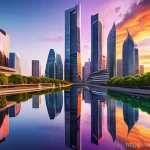
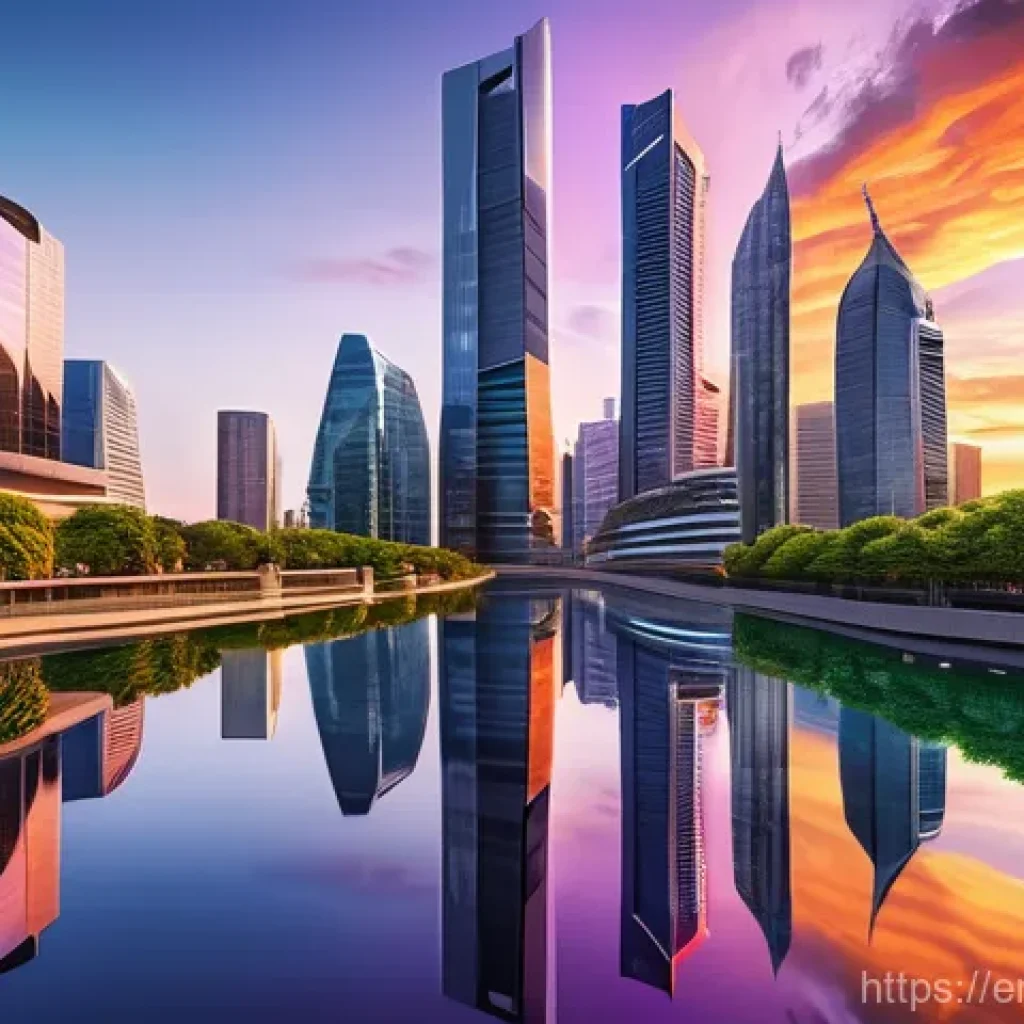
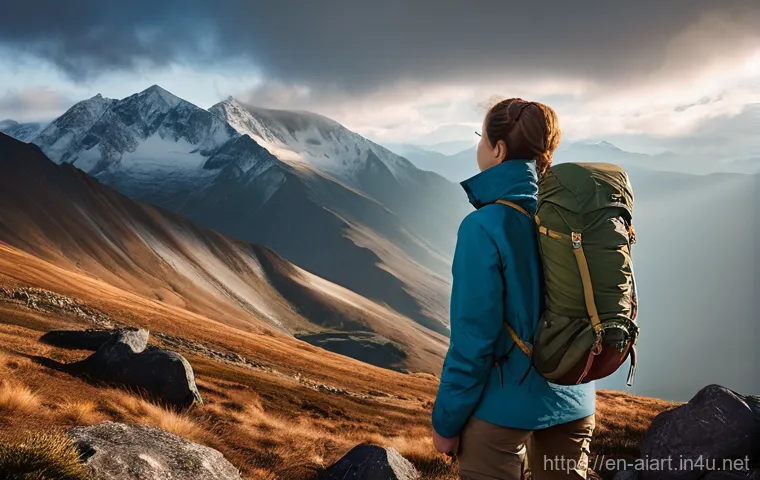
My absolute favorite application of AI art has to be generating landscapes. There’s just something inherently awe-inspiring about seeing otherworldly vistas or hyperrealistic natural scenes emerge from a few lines of text. I remember spending an entire afternoon just playing with prompts for mountain ranges – trying everything from “ethereal mountain range at sunset with glowing flora” to “rugged, volcanic peaks under a bioluminescent sky.” Each iteration was a revelation, painting scenes that felt both familiar and utterly alien. These tools are completely transforming how architects, game developers, and even casual enthusiasts can envision environments. Imagine designing an entire virtual world, or concepting a city plan, in minutes! It’s not just about creating pretty pictures; it’s about rapidly prototyping entire ecosystems and architectural marvels. This ability to instantly generate complex, detailed environments is a game-changer, saving weeks of manual work and keeping the creative flow uninterrupted. For instance, some platforms offer over 50 themed templates, from “Dieselpunk City” to “Underwater Kingdom,” giving you a huge head start.
Crafting Worlds: The Leading Landscape Generators
When it comes to crafting digital vistas, some AI landscape generators truly stand out. From my own adventures, tools like Midjourney are fantastic for producing highly artistic and painterly landscapes with rich textures and compelling compositions, blurring the lines between generated and real. Stable Diffusion is also a strong contender, especially if you’re looking for ultra-high-resolution 4K images and a high degree of control over the output, though it has a steeper learning curve. Beyond these two giants, I’ve been impressed by others like Perchance AI Landscape Generator, which is incredibly user-friendly for rapid prototyping of fantasy landscapes with intuitive sliders for terrain and weather. Recraft AI is another gem for transforming landscapes into stylized masterpieces, letting you apply artistic filters from watercolor to cyberpunk. And for those needing production-ready 3D assets, CGDream AI Landscape Generator is a secret weapon for game studios, providing displacement maps and PBR textures. It’s truly amazing how varied and specialized these tools have become, offering something for every kind of creator.
From Pixels to Panoramas: The Art of Detail
What really makes these AI-generated landscapes shine is their incredible attention to detail. It’s not just a rough sketch; we’re talking about intricate foliage, realistic water reflections, dynamic lighting, and atmospheric effects that can make a scene feel truly alive. I’ve found myself zooming in on images, marveling at individual blades of grass or the way light catches a distant mountain peak, and thinking, “Wow, an algorithm made that?” Many of these generators allow for extensive customization, letting you tweak everything from flora density to cloud formations, giving you precise control over the final output. This level of detail isn’t just visually appealing; it’s what makes these landscapes so versatile for various applications, whether it’s for game environments, architectural visualizations, or simply stunning digital art prints. The ability to iterate quickly and see subtle changes in real-time allows for a level of artistic exploration that was previously unimaginable.
Monetizing Your Masterpieces: Turning AI Art into Income
Let’s be real, while creating breathtaking art is its own reward, wouldn’t it be amazing if your AI-generated masterpieces could also bring in some income? The good news is, they absolutely can! I’ve been exploring various avenues for monetizing AI art, and it’s a rapidly expanding field with exciting opportunities. It’s not just a theoretical concept; I’ve personally seen creators successfully leverage these methods to build passive income streams or even full-time businesses. Think about it: a tool that helps you create stunning visuals quickly, which you can then offer to a global audience. The potential here is huge, especially as the demand for unique digital artwork continues to grow. It really feels like we’re at the cusp of a new creative economy, and AI is a powerful engine driving it forward.
Creative Avenues for Revenue
So, how exactly do you turn those incredible AI creations into cash? There are so many possibilities, it’s almost overwhelming! One of the simplest ways I’ve found is through print-on-demand platforms like Redbubble, Society6, or Printify. You upload your art, and they handle everything from printing it on t-shirts, mugs, or posters, to shipping and customer support – you just collect the royalties! It’s true passive income, and I actually tried this early on and was thrilled to see my designs on physical products. Another fantastic option is licensing your AI artwork as stock images on platforms like Adobe Stock or Dreamstime. Businesses are constantly looking for unique visuals, and your AI art can fill that need. You can also offer customized commissions to clients, creating unique pieces tailored to their specific needs for illustrations, logos, or social media graphics. Freelance platforms like Fiverr and Upwork are excellent for connecting with potential clients. And let’s not forget the world of NFTs – creating unique AI-generated art and selling it as an NFT on marketplaces like OpenSea can be very lucrative.
Building Your Brand and Audience
No matter which monetization path you choose, building an online presence and connecting with an audience is absolutely crucial. I’ve personally seen how powerful social media can be for showcasing AI artwork and sharing the creative process. Platforms like Instagram are ideal for reaching a large audience, including potential buyers or clients who might be interested in commissioning a piece. You can create a niche Instagram page dedicated to your AI art, which can lead to sponsorships, collaborations, and even paid shoutouts from smaller creators once you have an engaged following. Starting small with online marketplaces and local community groups is also a great way to connect with enthusiasts and potential clients. The more you share your journey, your experiments, and your creations, the more you’ll build trust and a loyal following. Remember, people connect with authenticity, so even with AI, your unique voice and perspective are what truly matter.
Navigating the Ethical Canvas: Responsibility in AI Artistry
As much as I adore the boundless creativity AI art offers, it’s also prompted some really important conversations about ethics. When I first started generating images, I didn’t think much beyond the cool factor. But as the technology matured, I started reflecting on questions like authorship, originality, and the impact on human artists. It’s a complex landscape, and honestly, there are no easy answers. The ethical dilemmas surrounding AI in art are multifaceted, touching on consent, compensation, and even the potential for perpetuating biases. It feels like we’re constantly trying to catch up, balancing innovation with a deep sense of responsibility. This isn’t just a fleeting discussion; it’s a foundational shift that demands careful consideration from all of us who engage with these powerful tools. It’s about ensuring that as AI enhances our creativity, the soul and authenticity of human expression always remain at the forefront.
Authorship and Originality: Who Owns What?
One of the biggest head-scratchers for me has been the question of authorship and ownership. If I type a prompt and the AI generates an image, who is the “artist”? Is it me, the prompt engineer, or the developers of the AI? The U.S. Copyright Office currently doesn’t recognize AI as an author, meaning AI-generated works often lack traditional copyright protection. This gets even more complicated when AI systems are trained on vast datasets of existing artworks, often without the original artists’ consent. This “scraping” of images raises serious concerns about intellectual property theft and whether human artists are being properly compensated for their work, or even credited. I’ve heard stories of artists whose unique styles have been mimicked by AI without their permission, which is incredibly disheartening. It’s a challenging space, and frankly, legal frameworks are struggling to keep up with the rapid pace of technological advancement. My hope is that we move towards greater transparency and fair compensation for creators whose work forms the foundation of these AI models.
Bias, Transparency, and the Human Element
Beyond ownership, there are other crucial ethical considerations, particularly around bias and transparency. AI models learn from the data they’re fed, and if that data contains biases, the AI will likely perpetuate them. I’ve seen examples where AI generates images that reflect stereotypes or lack diversity, which is a significant concern. It really highlights the importance of diverse and fair training data. Then there’s the question of transparency: should AI-generated art always be clearly disclosed as such? I believe it’s essential for maintaining trust and authenticity, especially as AI-generated visuals become increasingly indistinguishable from human-made art. This isn’t just about art; it has implications for deepfakes and the spread of misinformation. It’s a delicate balance, and as creators, we have a responsibility to be mindful of these issues. While AI can speed up content production, it cannot provide lived experience or subject expertise, and human review and transparency are essential for quality.
| Ethical Consideration | My Takeaway & Action |
|---|---|
| Authorship & Ownership | It’s tricky! While current laws are catching up, I always aim to use tools with clear usage policies and try to add my own unique creative spin to ensure my work is more than just a prompt. Support platforms that compensate artists. |
| Data Usage & Consent | This is a big one. I advocate for AI models to be trained on ethically sourced data, with proper consent and compensation for artists. Always be aware of where the AI’s “knowledge” comes from. |
| Bias & Representation | AI can reflect biases in its training data. I make a conscious effort to challenge stereotypes in my prompts and strive for diverse, inclusive representations in my generated art. It’s our responsibility to guide the AI towards a more equitable output. |
| Transparency | I believe in full disclosure. If a piece is AI-assisted, I’m open about it. Authenticity builds trust with my audience, and it helps manage expectations in a world increasingly filled with generated content. |
The Evolution of Expression: AI and the Future of Art
Looking ahead, the future of AI in the arts is both thrilling and a little bit daunting, if I’m being honest. It’s clear that AI isn’t just a passing fad; it’s a fundamental shift that will continue to reshape how we create, consume, and even define art. I often wonder what kinds of art forms we haven’t even conceived of yet, all thanks to AI’s generative capabilities. It’s like standing at the edge of a vast, unexplored territory, with endless possibilities stretching out before us. The narrative is shifting from “AI replacing artists” to “AI enhancing creators,” which I find incredibly encouraging. We’re talking about a future where humans and machines work side-by-side, creating things that were previously unimaginable. This collaboration could lead to truly personalized creativity, immersive virtual realities, and even new ways to teach creative skills.
Human-AI Collaboration: A New Creative Partnership
I genuinely believe that the most exciting aspect of AI’s future in art lies in the collaboration between humans and machines. It’s not about one replacing the other, but about a powerful synergy. Imagine AI as an incredible assistant, one that can instantly generate countless variations of an idea, handle tedious technical tasks, or even offer suggestions that spark new directions for a project. I’ve already seen how AI tools can help overcome creative blocks and analyze audience trends, allowing artists to focus more on the core artistic vision. This partnership can lead to work that is superior to non-AI augmented works, all while maintaining human creativity at its core. Think about how musicians can use AI to develop new sounds, or filmmakers to storyboard scenes more efficiently. The human touch – our emotions, experiences, and unique perspectives – will remain irreplaceable. AI simply provides us with an expanded palette and a faster brush to bring those visions to life. It’s about leveraging technology to amplify our inherent creative spirit.
Democratizing Creativity and Inspiring Innovation
One of the most profound impacts I foresee is the further democratization of creativity. AI is making high-level creative tools accessible to everyone, regardless of their formal training or technical skills. Tools like DALL-E and other AI image generators have already lowered the barriers to entry in design and visual art. This means that more voices, more perspectives, and more unique ideas can find expression. Someone who’s always dreamed of being an artist but lacked the drawing skills can now bring their visions to life through AI. Small businesses can generate high-quality branding materials without needing expensive agencies. I find this incredibly inspiring because it fosters a more inclusive creative landscape. It’s not just about creating art, but about fostering a global community of creators who can learn, experiment, and innovate together, pushing the boundaries of what’s possible in the digital age. The potential for AI to teach creative skills in real-time, providing feedback and guidance, is also a fascinating prospect.
The Artist’s Edge: Preserving Authenticity in a Digital World
In a world increasingly flooded with AI-generated content, I’ve found myself thinking a lot about what truly gives human-made art its unique value. It’s easy to get caught up in the dazzling capabilities of AI, but as an artist and a creator, I feel a strong pull towards what makes our contributions distinct. New research even suggests that rather than diminishing human creativity, the presence of AI-generated art can actually enhance the perceived value of human-made work. That really resonated with me, because it means our unique stories, our struggles, our triumphs, and the intentionality behind our creations truly matter more than ever. It’s a crucial reminder that while AI can replicate styles, it can never fully capture the deep narrative forged by human effort and intuition. This isn’t a competition; it’s an opportunity to truly lean into what makes us human.
Embracing Your Unique Narrative
So, how do we, as human artists and creators, stand out in this evolving landscape? I believe it comes down to embracing and amplifying our unique narratives. My own journey with AI art has been about finding new ways to tell my stories, not letting the AI tell them for me. It’s about infusing my prompts with personal experiences, emotions, and perspectives that only I can bring. When you create something, whether it’s a painting, a photograph, or an AI-generated scene, the story behind it – your story – is what truly connects with people on an emotional level. This is the “experience” part of E-E-A-T that Google emphasizes, the real-world perspective that AI can’t replicate. By sharing the process, the struggles, and the breakthroughs, we build a deeper connection with our audience, fostering trust and authenticity. This personal touch is the ultimate differentiator in a sea of perfectly rendered, but potentially soulless, AI creations.
The Enduring Value of Human Craft
Even as AI tools become more sophisticated, the value of human craft, skill, and intention remains paramount. I often compare it to photography: the camera is a tool, but the photographer’s eye, composition, and storytelling are what make an image art. Similarly, with AI art, the human mind behind the prompt, guiding the AI’s output, is the true creative force. I’ve noticed that while AI can generate a thousand beautiful landscapes, it’s the one infused with a genuine human emotion or a specific narrative intent that truly resonates. Experts say today’s AI models can’t replicate the intentionality human creatives bring to their work. This means that as artists, we should lean into our unique styles and showcase the effort and thought that goes into our creations. This might involve sharing behind-the-scenes glimpses, explaining our prompt engineering process, or simply emphasizing the human inspiration behind each piece. The goal isn’t to shy away from AI, but to integrate it in a way that elevates our distinct artistic voice and reminds the world of the irreplaceable value of human ingenuity. After all, the fusion of AI’s efficiency with human judgment is where the real advantage lies.
Wrapping Things Up
Well, what an incredible journey we’ve had through the captivating world of AI art and those stunning, AI-generated landscapes! It’s truly amazing to see how quickly this field is evolving and how it’s opening up new avenues for creativity and expression for all of us. From the moment I first started experimenting with these tools, I knew we were on the cusp of something transformative, and I hope you’ve felt that same spark of wonder and possibility. This isn’t just about technology; it’s about expanding our artistic horizons and rediscovering the joy of creation in a whole new light. Keep experimenting, keep exploring, and most importantly, keep infusing your unique human spirit into every pixel you create!
Handy Tips to Remember
Here are a few quick takeaways and practical tips I’ve gathered from my own adventures in AI art that I think you’ll find incredibly useful as you embark on or continue your creative journey:
1. Start Simple, Then Iterate: Don’t feel pressured to craft the perfect prompt right away. Begin with a straightforward idea, generate, and then refine your prompt based on the results. It’s a continuous conversation with the AI.
2. Explore Diverse Platforms: Each AI art generator has its own distinct personality and strengths. I highly recommend trying out a few, like Midjourney, Stable Diffusion, or even Adobe Firefly, to find the one that best aligns with your artistic vision and technical comfort level.
3. Prioritize Ethical Considerations: Always be mindful of the discussions around authorship, data sourcing, and bias. Supporting ethical AI development and promoting transparency in your own work helps foster a healthier creative ecosystem.
4. Engage with Communities: The AI art community is vibrant and full of incredible insights! Join forums, Discord servers, or social media groups to share your work, learn from others, and discover new techniques. It’s a fantastic way to grow.
5. Never Underestimate Your Human Touch: Remember, AI is a tool, and your unique perspective, emotions, and narrative are what truly elevate your creations. Infuse your personal story into your art, and that authenticity will shine through.
Important Reminders
Ultimately, AI art is a powerful new medium that democratizes creativity, making artistic expression more accessible than ever before. While the technological advancements are breathtaking, our ethical responsibility in using these tools, particularly regarding data, authorship, and bias, remains paramount. Furthermore, the future of art lies not in AI replacing human artists, but in a dynamic human-AI collaboration that amplifies our creative potential. There are genuine opportunities to monetize your AI-generated masterpieces, whether through print-on-demand, stock images, or NFTs, but building an authentic brand and embracing your unique human narrative will always be your greatest asset.
Frequently Asked Questions (FAQ) 📖
Q: How do I get started with
A: I art, especially for generating those stunning landscapes you mentioned? A1: Oh, this is the question I hear most often, and honestly, it’s where all the magic truly begins!
When I first dipped my toes into the world of AI art, I was a complete newbie, but the learning curve, while present, is so incredibly rewarding. For generating those breathtaking landscapes, platforms like Midjourney and Stable Diffusion are absolute game-changers, and they’re definitely my go-to.
My personal experience has been that Midjourney is fantastic for creating truly artistic, sometimes ethereal, and often very painterly scenes right out of the box with minimal tweaking.
It has a knack for aesthetics that just blows me away. Stable Diffusion, on the other hand, gives you a bit more control and flexibility, which is brilliant if you really want to fine-tune specific elements or even train your own models for a super unique style.
My best advice for getting started? Don’t be afraid to just jump in! Start with simple prompts like “lush fantasy forest, vibrant colors, golden hour lighting” or “futuristic cityscape at dawn, neon glow, detailed.” Experiment with adding adjectives to describe mood, style, and lighting.
You’ll quickly discover that the prompt is your paintbrush, and the more descriptive you get, the closer you’ll get to the vision in your head. I remember my first few attempts were a bit chaotic, but with each new image, I learned more about what works and what doesn’t.
There are tons of online communities too, like Discord servers for Midjourney, where you can see what prompts others are using and get inspiration. Trust me, once you see your first truly stunning AI-generated landscape, you’ll be hooked!
The journey is just as exciting as the destination.
Q: What are some of the biggest challenges or ethical considerations we need to think about with
A: I art? A2: You’ve hit on a really crucial point here, and it’s something I’ve spent countless hours pondering and discussing with fellow enthusiasts. While the creative potential of AI art is boundless and genuinely thrilling, it also opens up a Pandora’s box of ethical questions we absolutely need to address.
The most immediate one that springs to mind for many, myself included, is around copyright and ownership. If an AI generates a piece, who truly owns it?
Is it the person who wrote the prompt, the developers of the AI, or is the concept of ownership even applicable in the traditional sense? This is a legal gray area right now, and honestly, it keeps many artists and creators up at night.
Then there’s the whole discussion around the datasets used to train these AIs. Many models learn from vast collections of existing human-made art, and some artists feel that this is essentially “training on stolen work” without consent or compensation.
I personally believe we need clearer guidelines and perhaps even new compensation models to ensure human artists are recognized and fairly treated. Furthermore, we need to consider the potential for misuse, such as generating deepfakes or creating misleading content.
It’s not all doom and gloom, though! I truly feel that with careful thought and community collaboration, we can navigate these challenges. The key is to foster a responsible and transparent approach to AI development and usage.
It’s a dynamic landscape, and as users and creators, we have a responsibility to push for ethical frameworks that protect everyone.
Q: Can
A: I-generated art truly be considered “art,” and how does it impact human creativity? A3: This is probably the most profound and hotly debated question in the AI art community, and for me, it’s a resounding YES!
When I look at some of the incredible pieces being generated, whether they’re sprawling AI landscapes or intricate character designs, I see intentionality, aesthetic choices, and a powerful ability to evoke emotion.
For me, art has always been about expression, communication, and the human impulse to create beauty or convey meaning. While the AI is the tool, just like a paintbrush or a camera, the human behind the prompt is the artist.
We’re the ones envisioning the concept, crafting the prompts, selecting the best outputs, and often refining them further. It’s a collaborative dance between human imagination and algorithmic execution.
I’ve personally found that using AI art tools has actually boosted my own creativity! Instead of being limited by my drawing skills or the time it takes to render a complex scene, I can rapid-prototype ideas, explore countless variations, and bring wild concepts to life in minutes.
It frees up my mind to focus on the conceptual aspects of art rather than just the technical execution. Some worry it will devalue human artists, but I see it as evolving the role of the artist, perhaps shifting the emphasis from manual dexterity to conceptual brilliance and curatorial skill.
Just as photography didn’t kill painting, I believe AI art will simply expand the definition of art and open new avenues for creative expression, rather than diminishing what human artists do.
It’s an exciting evolution, and I’m here for it!