Alright, fam! You know me – always on the hunt for the coolest, most cutting-edge stuff happening right now, especially when it comes to how tech is shaking up our creative worlds.
And let me tell you, there’s absolutely *no* topic hotter than AI art and game design. It’s wild, exciting, and honestly, a little bit mind-bending when you think about it!
Just a few years ago, AI art felt like a niche experiment, a quirky side project. But now? It’s exploding, becoming an indispensable tool that’s not just helping us brainstorm ideas but genuinely creating incredible visuals, characters, and even entire game environments faster than ever before.
I’ve been playing around with some of these generative AI tools myself, and the way they can whip up textures, landscapes, or even story elements from a few simple prompts is truly astonishing.
It’s like having a super-powered creative assistant right at your fingertips, freeing up artists and designers to focus on the big-picture vision and injecting that unique human touch where it matters most.
From accelerating development cycles for huge AAA games to crafting intensely personalized player experiences with dynamic NPCs that actually respond in new, authentic ways, AI is literally rewriting the rulebook for what games can be.
Imagine worlds that adapt to your choices, or game assets generated just for you based on your preferences – that’s not sci-fi anymore, it’s happening!
But, of course, with all this incredible power comes some pretty big questions, too. We’re seeing lively debates about ethical concerns, copyright, and how this will impact the livelihoods of human artists.
It’s a complex, fascinating landscape that’s evolving by the minute, promising a future for gaming and art that’s more immersive and innovative than we ever dared to dream.
So, buckle up, because we’re about to dive deep into this electrifying intersection of artificial intelligence and creative design. Let’s get into the nitty-gritty and truly understand what’s unfolding.Alright, fam!
You know me – always on the hunt for the coolest, most cutting-edge stuff happening right now, especially when it comes to how tech is shaking up our creative worlds.
And let me tell you, there’s absolutely *no* topic hotter than AI art and game design. It’s wild, exciting, and honestly, a little bit mind-bending when you think about it!
Just a few years ago, AI art felt like a niche experiment, a quirky side project. But now? It’s exploding, becoming an indispensable tool that’s not just helping us brainstorm ideas but genuinely creating incredible visuals, characters, and even entire game environments faster than ever before.
I’ve been playing around with some of these generative AI tools myself, and the way they can whip up textures, landscapes, or even story elements from a few simple prompts is truly astonishing.
It’s like having a super-powered creative assistant right at your fingertips, freeing up artists and designers to focus on the big-picture vision and injecting that unique human touch where it matters most.
From accelerating development cycles for huge AAA games to crafting intensely personalized player experiences with dynamic NPCs that actually respond in new, authentic ways, AI is literally rewriting the rulebook for what games can be.
Imagine worlds that adapt to your choices, or game assets generated just for you based on your preferences – that’s not sci-fi anymore, it’s happening!
But, of course, with all this incredible power comes some pretty big questions, too. We’re seeing lively debates about ethical concerns, copyright, and how this will impact the livelihoods of human artists.
It’s a complex, fascinating landscape that’s evolving by the minute, promising a future for gaming and art that’s more immersive and innovative than we ever dared to dream.
So, buckle up, because we’re about to dive deep into this electrifying intersection of artificial intelligence and creative design. Let’s get into the nitty-gritty and truly understand what’s unfolding.
Beyond the Brushstroke: How AI is Redefining Digital Art
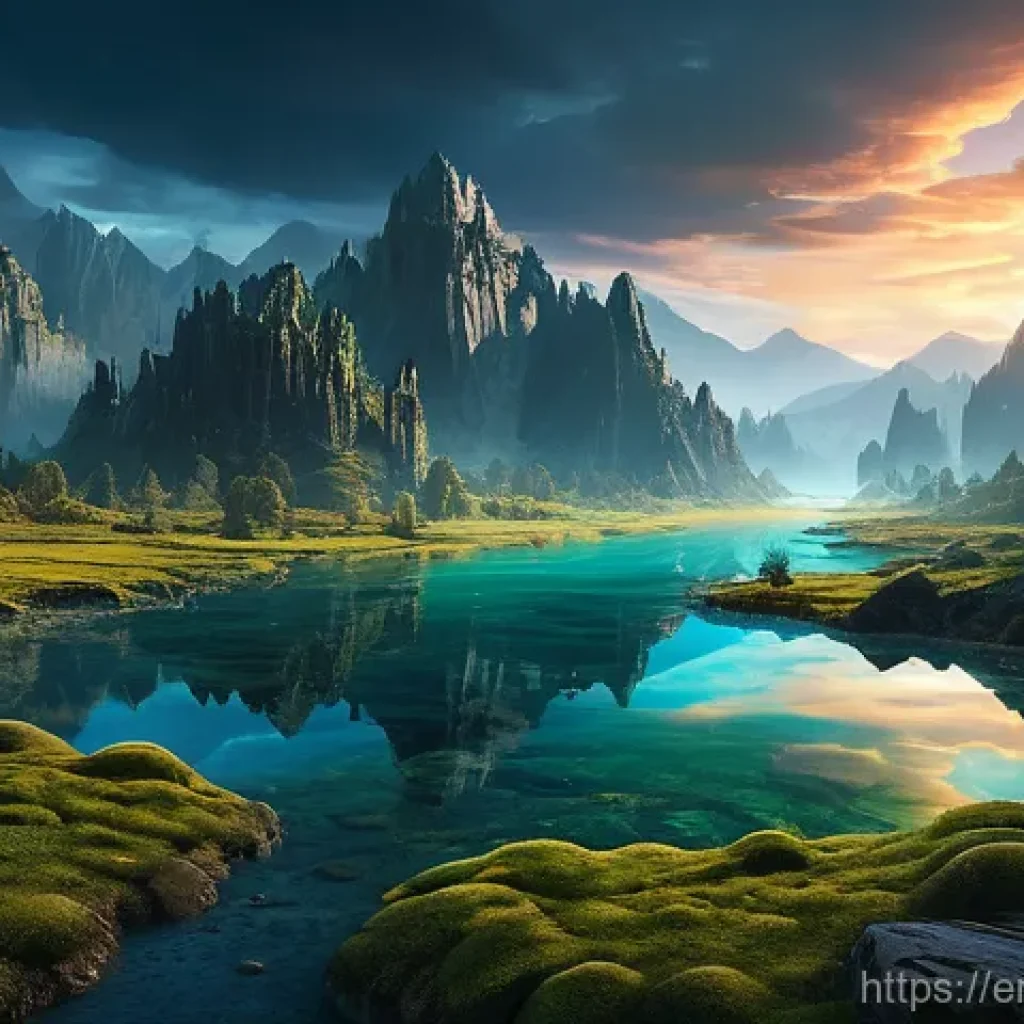
Okay, so let’s get real for a sec. If you’re anything like me, you’ve probably seen those mind-blowing AI-generated images popping up everywhere – from Instagram feeds to major art galleries. It’s absolutely wild how far we’ve come in such a short time! What used to take hours of meticulous work, even for a seasoned pro, can now be whipped up in minutes with the right prompts. I remember just a few years ago, messing around with some early AI art tools, and it felt more like a novelty. But now? It’s a genuine co-pilot for creativity. Artists are using it to break through creative blocks, explore countless variations of a concept, or even generate entire mood boards in a snap. The sheer speed at which you can iterate and experiment is a game-changer. It’s not just about hitting a button and getting a pretty picture; it’s about using these tools to expand your own artistic vision, pushing boundaries you might not have even considered before. Think about it: a digital canvas that can render hyper-realistic landscapes, abstract compositions, or fantastical creatures with incredible detail, all based on a few descriptive words from you. It’s like having an infinite studio with an army of assistants, all working to bring your wildest ideas to life.
The Creative’s New Sidekick: Generative AI in Action
From what I’ve seen and personally experienced, generative AI has become an indispensable assistant for artists. It’s not about replacing human creativity; it’s about augmenting it. I often find myself using tools like Midjourney or Stable Diffusion to explore initial concepts for my blog’s visuals or even just for fun side projects. The ability to quickly visualize different styles, lighting scenarios, or character designs is incredible. You can literally type “cyberpunk city at sunset with neon reflections” and within seconds, have dozens of stunning images to spark your imagination. This speeds up the ideation phase tremendously, allowing artists to spend more time on refinement and injecting their unique human touch. It’s like a super-powered sketchpad that never runs out of pages or ideas, always ready to offer a fresh perspective or an unexpected visual twist that can lead to something truly original.
Tools of the Trade: My Current Favorites
If you’re looking to dive in, there are a few tools that have really stood out to me. Of course, there’s the popular Midjourney, which consistently produces stunning, aesthetically pleasing results with minimal effort. It’s fantastic for those high-quality, eye-catching images. Then you have Stable Diffusion, which is open-source and incredibly versatile, offering a level of customization that really lets you get into the weeds if you want to fine-tune every little detail. For more specific tasks, I’ve also tinkered with tools that generate unique textures or even assist with 3D model creation. Each has its strengths, and figuring out which one clicks with your personal workflow is part of the fun. I always recommend starting with a free trial or a community version to get a feel for them before committing. Trust me, once you start playing, it’s tough to stop!
Leveling Up: AI’s Game-Changing Impact on Development
Alright, let’s switch gears and talk about gaming, because this is where AI is truly rewriting the playbook. We’re not just talking about smarter NPCs anymore – though they’re certainly getting smarter! AI is impacting every single stage of game development, from concept to launch and beyond. Think about how long it takes to create a massive open-world game with thousands of unique assets, characters, and intricate environments. Traditionally, this is a monumental task requiring huge teams and years of work. But now, with AI, developers can generate entire landscapes, detailed textures, unique building designs, or even populate virtual cities with AI-driven algorithms. This means less grunt work for human artists and designers, freeing them up to focus on the truly creative, narrative-driven aspects that make a game special. It’s like having an army of digital apprentices working tirelessly in the background, churning out assets and iterations at lightning speed. I’ve heard stories from indie devs who are leveraging AI to create games that would have been impossible for their small teams just a few years ago, and that’s incredibly inspiring.
Automating Asset Generation and Environment Design
One of the biggest headaches in game development is asset creation. Every tree, rock, building, and character needs to be designed, modeled, textured, and often animated. This is where AI swoops in like a superhero. Tools can now procedurally generate vast, realistic terrains, complete with natural foliage and geological features, often indistinguishable from hand-crafted assets. I’ve personally seen demos where AI can take a simple sketch of a building and flesh it out into a fully textured 3D model in seconds. This isn’t just a time-saver; it allows for unprecedented scale and complexity in game worlds. Imagine worlds that feel truly endless and unique, where no two players see exactly the same landscape or city layout. This capability is pushing the boundaries of what’s possible for both AAA studios and smaller indie teams, making game creation more efficient and imaginative than ever before.
Dynamic NPCs and Personalized Player Experiences
This is probably one of the most exciting advancements for us players. Remember when NPCs just had a few canned lines and predictable patrol routes? Well, say goodbye to that! Modern AI is enabling truly dynamic non-player characters that can learn from player behavior, adapt their dialogues, and even develop unique personalities based on interactions. I’ve played games recently where I genuinely felt like the NPCs were reacting specifically to my choices, not just generic triggers. Imagine a merchant remembering your past purchases and offering personalized deals, or an enemy faction adapting its tactics based on how you’ve previously defeated them. This level of personalized experience makes games feel so much more alive and immersive. It creates a sense of genuine agency and makes every playthrough feel unique, which is a massive win for replayability and player engagement. It’s like having a game world that’s constantly evolving and responding to *you*.
The Creative’s New Sidekick: Generative AI in Action
Let’s talk about how these incredible generative AI tools are actually being used by real creators like you and me. It’s one thing to hear about the theoretical possibilities, but another to see how they’re empowering artists and designers on a daily basis. From graphic designers whipping up variations of logos in minutes to illustrators generating character concept art that used to take days, the practical applications are vast. I’ve personally used AI to brainstorm different visual styles for my blog posts when I’m feeling stuck, and it’s amazing how a few descriptive keywords can unlock a whole new direction. It’s like having an incredibly fast, endlessly patient creative partner who’s always ready to throw out a hundred ideas, no matter how wild. This doesn’t mean the human element is gone; quite the opposite. It means artists can spend less time on repetitive tasks and more time on refining the core vision, adding that unique emotional depth, and making the final product truly sing with human intention. It’s all about making the creative process more fluid, more experimental, and frankly, more fun!
Revolutionizing Concept Art and Prototyping
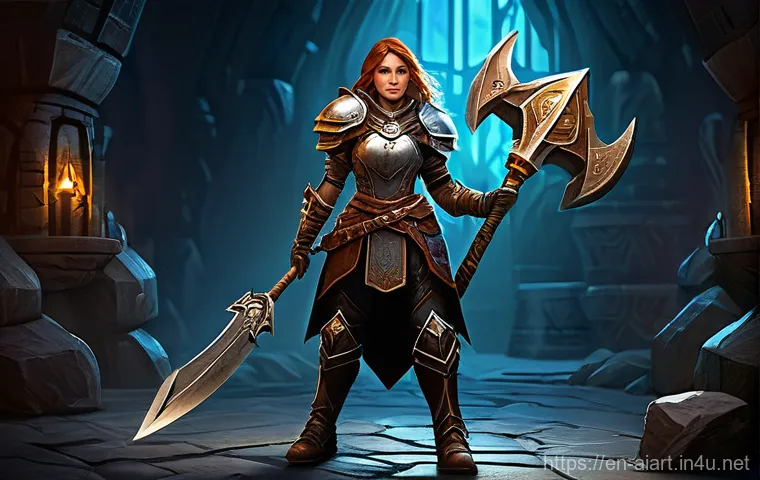
For anyone in the visual arts, especially concept artists, AI is a total game-changer. The ability to generate hundreds of variations of a character, creature, or environment in mere minutes is unprecedented. Imagine designing a new hero for a fantasy game: you can prompt an AI to create a “dwarven warrior with glowing runes and a steampunk axe,” and instantly get a gallery of diverse interpretations. This massively accelerates the prototyping phase. Instead of spending hours sketching out dozens of rough ideas, artists can use AI to quickly visualize concepts, get feedback, and then focus their efforts on refining the most promising designs. This iterative process, supercharged by AI, means that the initial creative exploration is no longer a bottleneck but a rapid springboard for innovation. It’s not just about speed; it’s about expanding the breadth of ideas an artist can explore before committing to a single direction.
Streamlining Content Creation for Social Media and Marketing
Beyond the hardcore art and game dev world, AI art is making waves in content creation, especially for social media and marketing. As someone who constantly needs fresh visuals for my blog and channels, I can tell you this is a lifesaver. Need a striking header image for a new post? Or a series of unique, eye-catching graphics for an ad campaign? AI can generate bespoke images that fit your brand aesthetic and messaging almost instantly. This saves immense amounts of time and budget that would otherwise go into commissioning custom artwork or sifting through stock photo libraries. The ability to create original, copyright-free (depending on the tool and license, of course, always check!) visuals on demand is invaluable. It empowers even small businesses and independent creators to produce high-quality, professional-looking content that stands out in a crowded digital landscape. It truly levels the playing field.
Navigating the New Frontier: Ethics and Ownership in AI Art
As exciting as all this AI art and game design stuff is, we absolutely *have* to talk about the elephant in the room: ethics and ownership. This isn’t just a technical discussion; it’s a deeply human one that touches on livelihoods, intellectual property, and the very definition of creativity. When an AI generates an image based on millions of existing artworks, whose ‘style’ is it mimicking? Who truly owns the output? These are complex questions that don’t have easy answers, and honestly, the legal frameworks are still playing catch-up to the technology. I’ve followed many discussions among artists online, and there’s a real mix of excitement and legitimate concern. On one hand, it’s a powerful tool; on the other, many feel their work is being used without consent or compensation to train these models. It’s a delicate balance, and navigating it requires thoughtful conversation, clear guidelines, and probably some entirely new legal precedents. We can’t just dive headfirst into this without considering the profound implications for creators worldwide. It’s a messy, but necessary, conversation that’s shaping the future of digital art.
The Copyright Conundrum: Who Owns AI-Generated Art?
This is probably the most hotly debated topic. If an AI generates an image, does the person who wrote the prompt own it? Does the company that created the AI model? Or, more controversially, do the artists whose work was used to train the AI have a claim? Different jurisdictions are starting to grapple with this, but there’s no clear, universally accepted answer yet. In the US, for example, the Copyright Office has indicated that purely AI-generated works without human authorship are not copyrightable, but works where a human significantly modifies or guides the AI’s output might be. This distinction is crucial and often blurry. As users, it’s our responsibility to understand the terms of service for the AI tools we use and to be aware of the ongoing legal and ethical discussions. The situation is evolving rapidly, and what’s true today might not be tomorrow.
Fair Use, Compensation, and the Artist’s Future
Another major point of contention is the concept of ‘fair use’ when AI models are trained on vast datasets of existing art, often without explicit permission from the original creators. Many artists feel their work is being exploited without compensation, potentially devaluing their craft. The future of human artists in this landscape is a big concern. Will AI primarily serve as a tool, or will it displace jobs? I believe, and hope, it will be the former. The real value will increasingly lie in the unique human perspective, the storytelling, the critical thinking, and the emotional resonance that only a human artist can bring. Ethical AI development needs to prioritize transparency about training data and potentially explore compensation models for artists whose work contributes to these powerful new technologies. It’s about ensuring that the rise of AI empowers, rather than diminishes, the creative community.
Unlocking Infinite Worlds: Player Experience Powered by AI
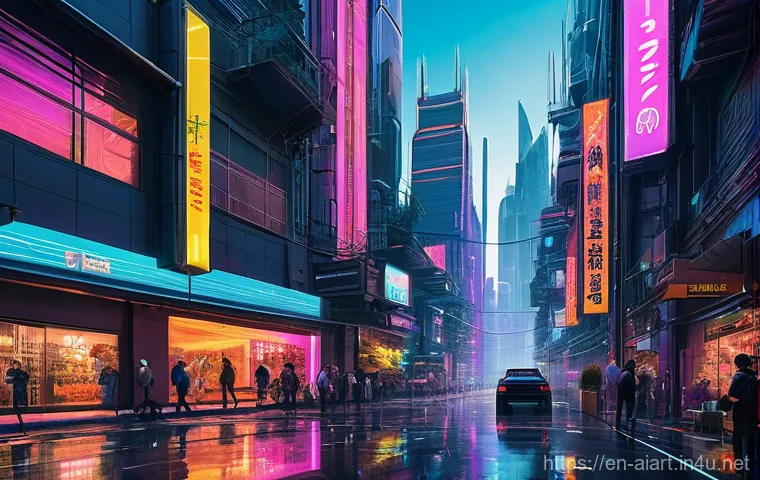
Let’s talk about what all this AI magic means for us, the players! Because at the end of the day, it’s all about how these advancements translate into richer, more engaging game experiences. And let me tell you, AI is absolutely blowing the doors off what’s possible in terms of immersion and personalization. Imagine a game where the world genuinely feels alive, reacting to your every choice and action in ways that feel authentic and unscripted. We’re talking about environmental storytelling that dynamically shifts, quests that adapt to your playstyle, and characters who remember your past interactions. It’s no longer just about choosing dialogue option A or B; it’s about having a conversation that feels genuinely responsive, or navigating a narrative that organically twists and turns based on your unique path through the game. I’ve noticed a real shift in games that use even subtle AI elements – they just feel more ‘real,’ more responsive, and ultimately, more captivating. This isn’t just about flashy graphics; it’s about creating experiences that resonate on a deeper, more personal level.
Procedural Content for Endless Replayability
One of the coolest things AI enables for players is truly endless content. Think about games like Minecraft or No Man’s Sky, but on steroids. With AI-driven procedural generation, games can create vast, unique worlds on the fly, ensuring that no two players have exactly the same experience. This means fresh environments, unexpected encounters, and new challenges every single time you start a new game or explore a new region. I love the idea that a game can keep surprising me, even after hundreds of hours. This capability not only boosts replayability exponentially but also offers developers a way to deliver massive amounts of varied content without the prohibitive costs and time associated with hand-crafting every single element. It’s like having an infinite universe to explore, always with something new around the corner.
Adaptive Difficulty and Personalized Gameplay
Have you ever played a game that felt perfectly tailored to your skill level? That’s AI at work, and it’s only getting better. AI can analyze your performance – your strengths, weaknesses, preferred tactics – and dynamically adjust the game’s difficulty, enemy behavior, or even puzzle complexity to provide an optimal challenge. If you’re struggling, the game might offer hints or slightly easier encounters; if you’re a master, it might throw tougher foes or more intricate challenges your way. This ensures that the game is always engaging, never too frustrating, and never too easy. It creates a personalized “flow state” where you’re constantly challenged but not overwhelmed. For me, this is a huge plus because it means I can truly enjoy a game at my own pace, without feeling like I’m either breezing through or hitting an insurmountable wall.
From Concept to Console: Accelerating Game Production with AI
Let’s pull back the curtain a bit and see how AI is fundamentally changing the nuts and bolts of game production. We’re talking about a significant acceleration in development cycles, which means more games, better games, and potentially faster updates for the games we love. Traditionally, game development is a marathon, not a sprint, with every detail meticulously crafted by human hands. But AI is stepping in to shoulder some of the most time-consuming burdens. Imagine reducing the time it takes to create thousands of unique textures, or to animate complex character movements, from weeks to mere days or even hours. This efficiency isn’t just about saving money; it’s about empowering developers to be more ambitious, to experiment with novel ideas, and to bring their creative visions to life with unprecedented speed. I’ve talked to developers who swear by AI for mundane, repetitive tasks, freeing their human teams to focus on the truly creative and strategic elements that make a game unique and memorable. It’s genuinely exciting to think about the possibilities.
AI-Powered Game Testing and Quality Assurance
One area where AI is already making a huge difference, though often unseen by players, is in testing. Manual game testing is incredibly labor-intensive, requiring countless hours of human playtesting to find bugs, glitches, and balance issues. AI-powered testing bots can now simulate thousands of hours of gameplay in a fraction of the time, systematically exploring every nook and cranny of a game world, performing stress tests, and identifying potential problems far more efficiently than human testers ever could. This means games can be released with fewer bugs, better optimization, and a smoother overall experience. It’s not about replacing human QA entirely, but rather providing a powerful first line of defense, allowing human testers to focus on more nuanced issues like gameplay feel, narrative consistency, and overall player enjoyment. This ultimately leads to a higher quality product for us gamers.
The Rise of AI in Game Design Tools
The tools themselves are evolving with AI baked right in. Game engines are integrating AI algorithms that can assist with level design, automatically generating layouts based on designer constraints, or optimizing asset placement for performance. Character animation, traditionally a painstaking process, can now be significantly assisted by AI, allowing developers to generate realistic movements from simple descriptions or motion capture data with far less manual tweaking. Even sound design is getting an AI upgrade, with tools that can generate ambient soundscapes or variations on voice lines. This integration of AI into the very fabric of development tools is making the entire process more accessible, more efficient, and more creative. It’s truly enabling a new generation of game makers to push boundaries that were previously unimaginable for smaller teams.
The Human Touch in an AI-Driven Landscape: What’s Next?
Okay, so with all this talk about AI generating art and building game worlds, it’s only natural to wonder: where does the human element fit into all of this? Is there still a place for traditional artists, designers, and storytellers? My emphatic answer is yes, absolutely! In fact, I believe the human touch becomes even *more* crucial in an AI-driven landscape. AI is a fantastic tool for generating, iterating, and automating, but it lacks genuine experience, consciousness, and the unique emotional depth that makes art truly impactful. It can mimic styles, but it can’t *feel*. It can generate stories, but it can’t understand the profound human resonance of a tragedy or triumph. The real power lies in the collaboration: AI as the ultimate assistant, and humans as the visionary directors, the emotional architects, and the storytellers who infuse the work with meaning and purpose. It’s about leveraging AI to free ourselves from the mundane, so we can focus on what only humans can truly do – innovate, empathize, and connect.
Redefining Creativity: From Maker to Curator and Director
In this new paradigm, the role of the creator is shifting, not diminishing. Instead of solely being the ‘maker’ of every single pixel or line of code, artists and designers are increasingly becoming curators, directors, and prompt engineers. Their skill lies in articulating a vision, guiding the AI, selecting the best outputs, and refining them with their unique artistic sensibility. It’s about knowing *what* to ask the AI to create and *why*, then taking those AI-generated raw materials and shaping them into something truly meaningful. This requires a different set of skills – critical thinking, artistic discernment, and a deep understanding of aesthetics. I’ve found that the better I get at crafting prompts, and the more I understand *why* certain visual elements work, the more compelling my AI-generated art becomes. It’s a true partnership.
The Uniquely Human Value: Emotion, Narrative, and Vision
Ultimately, what AI cannot replicate is the uniquely human ability to imbue art with emotion, to craft a compelling narrative that speaks to the human condition, or to articulate a singular, personal vision. AI can generate a thousand beautiful landscapes, but it cannot tell the story of *why* that specific landscape is significant to *you*. It cannot feel the joy of creation, the struggle of expression, or the satisfaction of overcoming an artistic challenge. These are the elements that give art its soul and its lasting impact. In game design, while AI can build worlds, it’s the human designers who craft the emotional arcs, the moral dilemmas, and the moments of profound connection that make a game truly unforgettable. The future isn’t about AI replacing humans; it’s about humans using AI to amplify their innate creative powers and focus on what truly makes us unique.
| AI Application in Game Design | Key Benefit to Players | Impact on Developers |
|---|---|---|
| Procedural Content Generation | Vast, unique, and endless worlds; high replayability | Reduced manual asset creation time; ability to scale game worlds |
| Dynamic NPC Behavior | More realistic and engaging characters; personalized interactions | Streamlined character AI programming; complex emergent gameplay |
| Adaptive Difficulty & Personalization | Tailored challenge; optimal engagement and flow state | Automated game balancing; data-driven design decisions |
| Automated Asset Creation (textures, models) | Richer, more detailed game environments; varied visual assets | Significant reduction in production time and cost for assets |
| AI-Powered Testing & QA | Fewer bugs; smoother gameplay experience at launch | Faster bug detection; optimized performance; higher quality control |
| Narrative Generation & Branching Stories | Unique story paths; deeper immersion based on player choices | Assistance in creating complex narrative structures and lore |
Wrapping Things Up
So, as we’ve seen, AI isn’t just knocking on the door of the creative industries; it’s practically moved in and started redecorating! From sparking fresh artistic ideas and accelerating game development to crafting truly immersive player experiences, the impact is undeniable. It’s a journey filled with incredible potential, pushing the boundaries of what we thought was possible. But let’s be clear: this isn’t a future where machines replace the heart and soul of human creativity. Instead, it’s a thrilling new chapter where AI acts as an incredibly powerful co-pilot, freeing us up to focus on the unique human elements—the emotion, the vision, and the stories that only we can truly bring to life. It’s an exciting time to be a creator, and I’m genuinely stoked to see what we build together with these amazing tools.
Useful Information to Know
1. Start Small, Experiment Often: Don’t feel overwhelmed by the sheer number of AI tools out there. Pick one user-friendly platform, like Midjourney or a free version of Stable Diffusion, and just start playing. The best way to learn is by doing, and you’ll quickly discover what clicks with your creative flow.
2. Prompt Engineering is Your New Skill: Learning how to craft effective prompts is like learning a new language. The more specific and descriptive you are, the better the AI’s output will be. Think about style, mood, lighting, and composition – every detail helps guide the AI to your vision.
3. Balance AI with Your Unique Touch: While AI can generate amazing assets, always remember to infuse your own unique human element. Whether it’s post-processing an AI-generated image or weaving a complex narrative around AI-created characters, your personal touch is what truly makes it art.
4. Stay Informed on Ethics and Ownership: The landscape of AI art is evolving rapidly, especially concerning copyright and ethical use. Keep an eye on industry discussions and legal developments, and always understand the terms of service for the tools you’re using. Transparency is key!
5. AI is a Tool, Not a Replacement: View AI as an assistant that can handle repetitive tasks and generate a myriad of ideas, allowing you to spend more time on high-level creative direction, problem-solving, and injecting profound meaning into your work. Your unique perspective remains invaluable.
Key Takeaways
AI is fundamentally transforming digital art and game development by enhancing creativity, streamlining production, and revolutionizing player experiences. It’s becoming an essential partner for artists and developers, offering unprecedented speed in ideation and asset creation. While technical advancements are rapid, discussions around ethics, copyright, and the role of human creators remain crucial. Ultimately, the future of this exciting field lies in a collaborative approach, where human ingenuity and emotional depth guide AI tools to unlock new realms of artistic and interactive possibilities.
Frequently Asked Questions (FAQ) 📖
Q: Is
A: I art and game design actually going to take jobs away from human artists and developers? A1: This is probably the number one question I get asked, and I totally get why there’s a lot of concern out there.
When I first started messing around with these AI tools, I had that exact thought in the back of my mind. But honestly, folks, what I’ve seen firsthand is less about replacement and more about augmentation.
Think of it like this: AI is becoming an incredible co-pilot. For artists, it’s brilliant for quickly generating mood boards, trying out different styles, or even just getting a starting point for a complex texture or character concept.
It frees up their time from repetitive tasks so they can focus on the truly creative, visionary stuff that only a human can bring – the emotion, the nuanced storytelling, the unique artistic flair.
For game developers, AI can automate asset generation, create dynamic NPCs, or even help with level design faster than ever. This means smaller teams, even solo indie devs, can achieve much more ambitious projects.
It’s not about taking jobs, it’s about shifting them. The demand for artists who can prompt AI effectively, curate its outputs, and refine them with a human touch is actually growing.
We’re seeing new roles emerge, not just old ones disappear. It’s a tool, not a replacement for human ingenuity, and I genuinely believe it empowers us to do more, not less.
Q: With all this
A: I-generated content, who actually owns the artwork or game assets created using these tools? A2: Okay, this one is a bit of a legal minefield right now, and believe me, it’s a hot topic in every single creator community I’m part of.
My personal take, from watching how things are developing, is that it’s still pretty murky and evolving quickly. Generally speaking, copyright law often requires human authorship.
So, if an AI generates something completely on its own without significant human input or creative direction, the U.S. Copyright Office, for example, has indicated it might not grant a copyright to the AI output itself.
However, if you use AI as a tool – much like you’d use Photoshop or a 3D modeling software – and you’re making creative choices through your prompts, editing, refining, and combining elements to achieve a specific artistic vision, then the creative input is undeniably human.
In those cases, the argument for human ownership of the final, refined work becomes much stronger. Many AI tool providers have their own terms of service regarding ownership, which can vary wildly, so always read the fine print!
It’s really about how much you are shaping the output with your own creative intent. I’ve been experimenting with this myself, and the more unique and intentional my prompts, and the more I tweak the results, the more confident I feel in my creative claim.
But for now, we’re all kind of watching and waiting for clearer legal precedents to be set.
Q: I’m not a tech guru or a coding expert. Can I actually use
A: I in my creative projects, like making art or developing a simple game? A3: Absolutely, 100%, yes! And this is one of the most exciting aspects for me.
You really don’t need to be a coding wizard or have a computer science degree to jump into AI art and game design. Seriously, if you can type a sentence, you can start creating with AI.
I’ve personally been blown away by how user-friendly many of these platforms have become. Tools like Midjourney, DALL-E, Stable Diffusion, or even some of the newer game engine plugins are designed with accessibility in mind.
It’s all about “prompt engineering” – learning to communicate your vision effectively to the AI in plain language. You describe what you want, hit generate, and then iterate!
For games, platforms are emerging that let you describe game mechanics or environments, and the AI helps generate assets or even code snippets. It’s opening up creative possibilities for so many people who might have been intimidated by traditional artistic tools or complex coding.
My best advice? Just dive in! Pick a free trial or a user-friendly platform, play around with some simple prompts, and see what magic you can conjure.
You’ll be amazed at how quickly you can start bringing your ideas to life without ever writing a line of code. It’s truly democratizing creativity.