The world of art is buzzing, and if you haven’t noticed, there’s a new, incredibly powerful force at play: AI art. What was once the realm of science fiction is now becoming a daily reality, pushing the boundaries of what we thought human creativity alone could achieve.
I’ve personally been utterly fascinated – and sometimes a little bit challenged – by how rapidly neural networks are evolving, generating breathtaking, thought-provoking, and even uncanny pieces that blur the lines between machine and mind.
This isn’t just about cool new digital images; it’s a profound shift impacting artists, galleries, and even how *we* perceive originality and expression.
We’re witnessing a paradigm shift where collaboration between human imagination and algorithmic power is creating unique results previously unimaginable through traditional means.
The rise of generative AI tools like Midjourney, DALL-E, and Stable Diffusion has democratized art creation, allowing anyone to craft astonishing visuals from simple text prompts.
It’s a new canvas for our imagination, offering artists fresh perspectives and automating routine tasks, freeing them for deeper creative ideation. But with this exciting evolution come pressing questions about authorship, copyright, and the potential impact on human artists’ livelihoods.
How do we navigate a landscape where algorithms can mimic styles and generate pieces that are often indistinguishable from human-made work, yet sometimes valued less for their lack of “human touch”?
It’s a dynamic interplay that’s challenging critics and filling galleries with a new wave of masterpieces, prompting us to redefine what art truly means.
As we dive deeper, we’ll explore these fascinating trends and look at how human ingenuity, combined with these powerful AI collaborators, is shaping the artistic landscape of tomorrow.
Let’s get to the bottom of this exciting revolution and see what the future holds for art and artificial intelligence.
The Dawn of a New Artistic Era
Breaking Down Creative Barriers with AI
This whole AI art explosion feels like we’ve stumbled into a secret garden of creativity that was always there, just waiting for the right key. For years, the idea of a machine creating art seemed like something out of a futuristic movie, yet here we are, watching algorithms paint breathtaking landscapes and conjure up fantastical creatures with astonishing ease.
What really gets me excited is how these tools have completely democratized art creation. You no longer need years of formal training, expensive supplies, or even a steady hand to bring your wildest visions to life.
I’ve personally seen friends who’d never picked up a paintbrush before generate truly stunning pieces, all with a few clever text prompts. It’s a game-changer, leveling the playing field and allowing anyone with an imagination to be an artist.
This isn’t just about pretty pictures; it’s about unlocking creative potential in millions of people who might have felt excluded from the art world before.
The sheer volume and diversity of art being produced daily now is mind-boggling, and it keeps pushing the boundaries of what we thought was possible.
From Text to Masterpiece: How It Works
It sounds almost magical, right? You type a few descriptive words – maybe “a cyberpunk samurai meditating in a neon-lit Tokyo alley at dusk, cinematic” – and moments later, a full-fledged image appears.
But how does it *actually* work? At its core, these AI art generators, like Midjourney or DALL-E, operate on incredibly complex neural networks trained on colossal datasets of images and their corresponding text descriptions.
When you input a prompt, the AI essentially sifts through its vast knowledge base, understanding the relationships between words and visual concepts. It then “generates” a new image, pixel by pixel, iteratively refining it until it matches your description as closely as possible.
Think of it like a super-smart digital artist who’s seen every artwork ever created and can now synthesize new ones based on your instructions. It’s not just stitching existing images together; it’s creating truly novel compositions.
I’ve spent hours experimenting with prompts, learning the nuances of how the AI interprets language, and that in itself has become an art form. It’s a constant dialogue between human intent and algorithmic interpretation, and that’s where the real magic happens.
Navigating the Creative Playground: Tools and Techniques
Choosing Your Digital Brush: Top AI Art Generators
If you’re just starting out, the sheer number of AI art tools can feel a bit overwhelming, like walking into an enormous art supply store with no idea where to begin.
But trust me, once you get the hang of it, each tool has its own unique flavor and strengths. I’ve spent countless hours diving deep into Midjourney, DALL-E 3, and Stable Diffusion, and I can tell you, they each offer a distinct creative experience.
Midjourney, for instance, is renowned for its incredibly artistic and often dreamlike aesthetic, producing consistently stunning, painterly results that often feel gallery-ready right out of the gate.
DALL-E 3, especially integrated with ChatGPT, excels at understanding complex prompts and generating more literal, often photorealistic images with fantastic consistency.
Then there’s Stable Diffusion, which is open-source and incredibly versatile, allowing for deep customization and local installation, making it a favorite for those who love to tinker and have more control over the process.
Choosing the right tool often depends on your artistic vision and how much control you want versus how much you want the AI to interpret. Don’t be afraid to try a few; you might find one just clicks with your personal style.
Prompt Engineering: The Art of Conversation
Okay, so you’ve picked your AI art generator, now what? This is where the real fun – and sometimes frustration – begins: prompt engineering. It’s less about coding and more about having a really clear, descriptive conversation with the AI.
I’ve learned that the more specific and evocative your language, the better your results will be. Think of yourself as a director guiding a very talented, but sometimes literal, artist.
You need to provide details about style, lighting, mood, composition, subject matter, and even camera angles. For example, instead of just “a cat,” try “a regal Siamese cat sitting on a velvet cushion, chiaroscuro lighting, oil painting by Rembrandt, highly detailed, dramatic.” The difference is night and day!
I’ve found that using descriptive adjectives, artistic styles (e.g., “impressionistic,” “cyberpunk,” “renaissance”), and specific commands (e.g., “4k,” “cinematic,” “octane render”) can dramatically elevate your output.
It’s an iterative process; you’ll type a prompt, see what the AI generates, and then refine your words based on what you want to change. It’s a continuous learning curve, but mastering prompt engineering is truly the key to unlocking the full potential of these amazing tools.
When Art Meets Algorithm: The Human Element
Is It Still Art? The Philosophical Debate
This is the million-dollar question, isn’t it? Every time I share an AI-generated piece with someone, the first thing they often ask is, “But is it *really* art?” It’s a debate that echoes centuries of artistic movements, from photography challenging painting to abstract expressionism baffling traditionalists.
For me, the answer is a resounding yes. If art is about expression, communication, and evoking emotion, then AI-generated works absolutely fit the bill.
The human hand might not be physically touching the canvas, but the human mind is certainly directing the brushstrokes, metaphorically speaking. It’s my vision, my concept, my carefully crafted prompt that brings that image into existence.
The AI is a powerful tool, an extension of my creativity, much like a camera or a specialized software suite. It’s about the intention and the impact.
I believe that dismissing AI art as “not real art” is to miss the profound shift happening in creative expression and to perhaps limit our understanding of what art can be in the 21st century.
My Personal Journey into AI Co-Creation
When I first started dabbling with AI art, I admit I was a bit skeptical. Could a machine truly capture the nuances of human emotion or the beauty of a fleeting moment?
What I’ve discovered, however, is that it’s not about the AI *replacing* the human artist, but rather *collaborating* with them. It’s like having an incredibly skilled assistant who can instantly bring your abstract ideas to visual form, allowing you to iterate and refine concepts at lightning speed.
I’ve personally found it incredibly liberating. As someone who always had ideas but sometimes lacked the traditional drawing skills to execute them quickly, AI art has become my creative superpower.
It’s allowed me to explore themes and styles I never thought possible. From designing unique blog banners that perfectly capture the essence of my articles to conceptualizing entire fictional worlds, AI has become an indispensable part of my creative workflow.
It feels less like pressing a button and more like a dynamic partnership, where my imagination fuels the machine, and the machine, in turn, sparks new ideas within me.
| AI Art Generator | Key Strengths | Ideal User | Pricing Model |
|---|---|---|---|
| Midjourney | Exceptional artistic quality, consistent aesthetic, strong community | Artists seeking high-quality, stylized images; beginners and pros | Subscription-based (monthly/yearly) |
| DALL-E 3 (via ChatGPT Plus) | Excellent prompt understanding, accurate image generation, text overlay | Users needing precise image generation for concepts, marketing, or complex scenes | Included with ChatGPT Plus subscription |
| Stable Diffusion | Highly customizable, open-source, flexible for advanced users, local installation possible | Advanced users, developers, those needing fine-grained control and privacy | Free (open-source), paid cloud services available |
| Adobe Firefly | Integrated with Adobe Creative Cloud, focuses on commercial-safe content, diverse tools | Designers and creatives already in the Adobe ecosystem, commercial use | Included with Creative Cloud subscriptions, credit-based |
The Legal Canvas: Copyright and Authorship in the AI Age
Who Owns the Pixels? A Murky Landscape
This is where things get really interesting – and sometimes a little bit thorny. When you create a piece of art using AI, who actually owns it? Is it you, the person who crafted the prompt?
Is it the company that developed the AI model? Or is it somehow the AI itself? Current copyright laws, which were largely established long before anyone envisioned machines creating art, are scrambling to catch up.
In the US, for example, the Copyright Office has stated that they will only register works created by human authors, meaning purely AI-generated art, without significant human input, may not be copyrightable.
This creates a fascinating legal gray area. If I tweak an AI-generated image in Photoshop for hours, does that make it “human enough” for copyright? This evolving situation means that creators need to be incredibly mindful of the terms of service for each AI tool they use, as those often dictate what you can and cannot do with your creations.
It’s a wild west out there, and staying informed is key.
Protecting Your Creations and Understanding Fair Use
Given the current legal ambiguity, how do you protect your AI-assisted artwork, especially if you plan on monetizing it? For me, the best approach has been to consider the AI as a powerful tool in my creative process, much like a digital camera or a 3D rendering engine.
If I use the AI to generate a foundational image, but then significantly edit, composite, and transform it using traditional human artistic skills (e.g., in Photoshop, Illustrator, or even by hand-painting over a print), then I feel confident in asserting my authorship over the final piece.
It’s about the level of human creative input. Additionally, understanding fair use is crucial, especially when discussing the AI’s training data. Many AI models are trained on vast datasets of existing artwork, raising questions about potential infringement.
As a creator, it’s important to research and understand these issues, especially if you’re working on commercial projects. This might involve using AI tools that guarantee commercial rights for generated content or simply being transparent about your process.
Beyond the Hype: Practical Applications and Future Visions
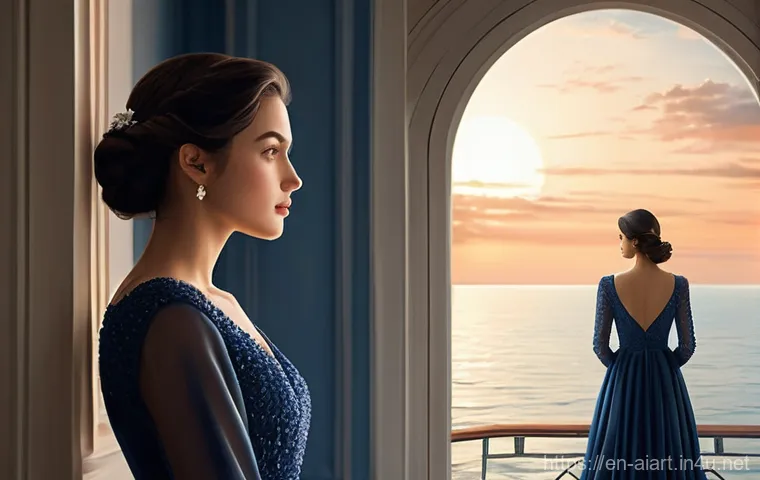
AI Art in Commercial Spaces and Beyond
Forget the niche art galleries; AI art is making serious inroads into the commercial world, and it’s exciting to watch! I’ve seen AI-generated visuals popping up everywhere from sleek advertising campaigns and eye-catching magazine covers to unique product packaging and stunning website designs.
Imagine a small business owner who needs custom graphics for their social media but can’t afford a professional designer. With AI art tools, they can generate high-quality, unique images quickly and cost-effectively.
I’ve personally used AI to create custom thumbnails for my YouTube videos and engaging header images for my blog posts, which not only saves time but also gives my content a distinct visual identity.
Beyond commercial uses, AI is also being explored in scientific visualization, architectural design, and even medical imaging, offering new ways to interpret complex data visually.
The potential applications are truly limitless, and we’re only just scratching the surface of how these powerful tools can transform various industries.
The Unforeseen Evolution of Artistic Expression
What truly fascinates me about AI art is its potential to push the very boundaries of what we consider artistic expression. It’s not just about replicating existing styles; it’s about generating entirely new aesthetics and concepts that might be difficult, if not impossible, for a human alone to conceive.
I’ve witnessed AI generate abstract patterns that are mathematically complex yet aesthetically harmonious, or surreal landscapes that challenge our perceptions of reality.
This technology isn’t just a tool; it’s becoming a catalyst for new forms of art. We might see entirely new genres emerge, driven by the unique capabilities of AI.
It also prompts us to reflect on our own creativity – what makes human art so special? This introspection ultimately enriches our understanding of art itself.
The future isn’t about AI replacing human artists, but rather about a dynamic partnership, where human imagination and algorithmic power intertwine to create something truly unprecedented.
I genuinely believe we’re on the cusp of an artistic renaissance, and AI is playing a pivotal role in shaping it.
Monetizing AI Art: A New Frontier for Creators
Selling Your Digital Masterpieces Online
So, you’ve created some incredible AI art – now what? This is where many creators, myself included, start thinking about turning their passion into profit.
The great news is that the market for digital art is booming, and AI-generated pieces are finding their place within it. I’ve seen people successfully sell their AI art as prints on platforms like Etsy, Redbubble, and Society6, reaching a global audience eager for unique and imaginative designs.
Beyond physical prints, you can also explore selling digital downloads for things like wallpapers, social media assets, or even stock photography if you’re careful about licensing.
NFTs (Non-Fungible Tokens) have also opened up a fascinating avenue for artists to sell unique digital editions of their work, although that market can be quite volatile.
The key is to find your niche, cultivate your unique style, and effectively market your creations. Building a strong online presence, showcasing your best work, and engaging with your audience are all crucial steps to monetizing your AI art successfully.
AdSense Strategies for AI Art Blogs
For those of us running blogs about AI art, or any creative endeavor, AdSense can be a solid way to generate passive income. My strategy revolves around creating highly engaging, in-depth content that keeps visitors on the page longer, which boosts dwell time – a critical factor for AdSense RPM.
I focus on comprehensive guides, detailed tutorials on prompt engineering, reviews of new AI tools, and philosophical discussions that spark comments and interaction.
More time on page means more ad impressions and a higher chance of clicks. I also pay close attention to my ad placements, ensuring they’re visible without being intrusive, which helps maintain a good CTR.
Think about where your readers’ eyes naturally go. Placing ads strategically within the content, rather than just at the top or bottom, can significantly improve performance.
And, of course, driving consistent traffic is paramount. By consistently providing valuable, well-researched content that speaks to the “latest trends and useful tips” about AI art, I aim to attract a steady stream of curious visitors, which in turn maximizes my AdSense earnings.
The Evolving Role of the Human Artist
Collaborator, Curator, or Conductor?
The narrative that AI will simply replace human artists is, in my opinion, a gross oversimplification. What I’ve observed and personally experienced is a fascinating evolution of the artist’s role.
Instead of being the sole creator, many of us are becoming collaborators, working hand-in-hand with AI. We are the visionaries, the conceptualizers, feeding our ideas into the algorithms and then refining the output.
Beyond collaboration, there’s a significant role for the artist as a curator. With the sheer volume of AI-generated images out there, discerning good art from mere algorithmic output becomes increasingly important.
The human artist can curate, select, and present AI-generated works in a meaningful context, adding their own perspective and intention. And perhaps most powerfully, the artist becomes a conductor, orchestrating the AI to realize a specific artistic vision, guiding its creative process with skillful prompting and post-processing.
It’s an exciting time to be an artist, as these new tools open up avenues for expression we never imagined.
Embracing the Change: Skills for the Modern Artist
In this rapidly evolving landscape, artists who are willing to adapt and learn new skills will thrive. While traditional artistic skills like composition, color theory, and understanding light remain incredibly valuable, new competencies are emerging.
“Prompt engineering” is practically a new art form itself, requiring linguistic precision and imaginative description. Learning how to effectively communicate with AI models is becoming as important as mastering a paintbrush or a digital tablet.
Beyond that, skills in digital editing software (like Photoshop or Illustrator) become even more crucial for post-processing AI-generated images, adding that final human touch, correcting imperfections, and integrating them into larger projects.
I’ve found that a blend of traditional artistic knowledge, technical proficiency with AI tools, and a keen eye for curation is the winning combination.
Instead of fearing AI, artists have an incredible opportunity to embrace it as a powerful ally, expanding their creative toolkit and pushing the boundaries of what they can achieve.
The future of art isn’t just human *or* AI; it’s a beautiful synergy of both.
Concluding Thoughts
As we wrap up this exploration into the fascinating world of AI art, I hope you feel as invigorated and excited as I do about the sheer possibilities it presents. It’s been an incredible journey witnessing this technology evolve from a nascent concept to a vibrant, transformative force in the creative landscape. For me, personally, it’s not just about the incredible images we can generate, but about the profound shift in how we approach creativity itself. We’re moving into an era where imagination is the primary constraint, and tools like Midjourney or DALL-E are simply extensions of our wildest dreams. This isn’t just a fleeting trend; it’s a foundational change that’s opening doors for countless individuals to express themselves in ways they never thought possible. Embrace it, experiment with it, and let your creativity soar – the future of art is truly in our hands, guided by the algorithms.
Useful Insights for Creators
Here are some crucial pointers I’ve gathered from my own deep dives and countless hours experimenting with AI art, tips that I believe can genuinely elevate your journey and help you navigate this exciting new space:
1. Master the Art of Prompt Engineering: Seriously, this is your superpower. Don’t just type “a cat.” Think like a director describing a scene: “A majestic Siamese cat, lounging on a vintage velvet armchair, bathed in soft, golden hour light, oil painting, highly detailed, dramatic chiaroscuro.” The more descriptive and nuanced your prompts are, including artistic styles, moods, and specific details, the more breathtaking and unique your results will be. I’ve found that spending extra time refining a prompt can save hours of regeneration.
2. Diversify Your Toolset: While one AI generator might be your go-to, don’t be afraid to explore others. Each platform, be it Midjourney, DALL-E, or Stable Diffusion, has its own unique aesthetic and strengths. Midjourney often delivers stunningly artistic results, DALL-E excels at precise conceptualization and text integration, and Stable Diffusion offers incredible customizability. Learning the nuances of each can open up entirely new creative avenues and help you achieve specific visions that one tool alone might struggle with.
3. Post-Processing is Your Secret Sauce: Don’t consider the AI-generated image the final product. Think of it as an incredibly strong starting point. My most celebrated pieces almost always involve a significant amount of human post-processing in tools like Adobe Photoshop or Lightroom. This is where you inject your unique artistic flair, refine details, adjust lighting, color grade, and truly make the image *yours*. It’s the essential step where raw AI output transforms into a masterpiece with a distinctly human touch.
4. Understand the Evolving Legal Landscape: This is crucial, especially if you plan to monetize your art. Copyright surrounding AI-generated content is still a murky area, with laws struggling to keep pace with technology. Always check the terms of service of the AI tool you’re using, and be mindful of what constitutes “significant human intervention” if you aim for copyright protection. When in doubt, adding substantial human modification to an AI-generated base is a safer bet for claiming ownership.
5. Engage with the Community and Share Your Learnings: The AI art community is one of the most vibrant and supportive creative spaces I’ve encountered. Share your creations, ask questions, and learn from others’ prompts and techniques. Platforms like Discord, Reddit, and various online forums are buzzing with active users constantly pushing the boundaries. The collective knowledge and shared experimentation are invaluable for growing your skills and staying inspired in this fast-evolving field.
Key Takeaways
At its heart, the rise of AI in art is about empowering more people to unlock their creative potential. It’s not about machines replacing human ingenuity, but rather about a dynamic, collaborative future where our imagination is amplified by powerful algorithmic tools. What I’ve found most profound is that this technology democratizes creation, lowering the barriers to entry for anyone with a vision, regardless of their traditional artistic skills. We’re witnessing a fascinating philosophical debate about the very definition of art, pushing us to reconsider authorship and the role of the artist in the 21st century. For those ready to dive in, understanding prompt engineering, exploring diverse tools, and recognizing the critical role of human post-processing are paramount. And yes, there are exciting avenues for monetization, from selling unique digital prints to leveraging your blog for passive income through platforms like AdSense, by focusing on valuable, engaging content. This is more than a technological advancement; it’s a creative revolution, and I genuinely believe the most exciting chapters are still being written, with human artists and intelligent algorithms co-creating a future we can only just begin to imagine.
Frequently Asked Questions (FAQ) 📖
Q: How can I, as a creator, actually get started with
A: I art, and is it a steep learning curve? A1: Oh, trust me, getting into AI art is way less intimidating than it might seem! When I first heard about tools like Midjourney, DALL-E, and Stable Diffusion, I pictured needing to be some kind of coding wizard.
But honestly, it’s incredibly accessible. You just dive in and start typing out descriptions – we call them “prompts” – for what you envision. I remember my first few attempts with Midjourney; I just typed in a simple idea, hit enter, and poof – there was an image!
It wasn’t perfect, but it was mind-blowing to see a machine interpret my words visually. The real magic, and where the learning curve actually lies, isn’t in using the tools themselves, but in “prompt engineering.” It’s like learning to speak a new language, but instead of talking to people, you’re guiding a super-smart algorithm.
You learn which words, styles, and details yield the best results. For example, adding “cinematic lighting,” “unreal engine,” or specific artist styles can dramatically change your output.
It’s a journey of experimentation, refining your prompts, and sometimes using traditional editing software to polish things up. Many artists I know, myself included, use AI as a powerful brainstorming partner, letting it generate endless possibilities that we then refine and make our own.
It’s a fantastic way to break through creative blocks and explore new ideas faster than ever before. This democratization of art creation is truly one of the most exciting aspects, letting anyone with an imagination bring their visions to life.
Q: What’s the deal with copyright and ownership when
A: I is involved? Can my AI art really be ‘mine’? A2: Ah, the million-dollar question that’s currently swirling around the art world and legal offices alike!
It’s a hot topic, and the answer isn’t as straightforward as we’d all like it to be. From what I’ve seen and understood, particularly here in the US, copyright law still heavily favors human authorship.
The US Copyright Office has been pretty clear that purely AI-generated works, without significant human creative input, aren’t eligible for copyright protection.
They’ve stated that copyright protects “original works of authorship” created by a human being. Now, don’t panic! This doesn’t mean your AI-assisted creations are automatically in the public domain.
It’s all about the human touch. If you’re using AI as a tool – much like a paintbrush or a camera – and your creative choices (like your detailed prompts, the selection of specific outputs, post-processing edits, or the arrangement of elements) are evident, then you generally can claim copyright.
Think of it as a collaboration: the AI generates, but you direct, refine, and imbue it with your artistic vision. It’s on a case-by-case basis, though, and it’s a developing area of law, with lawsuits still popping up from artists and companies concerned about training data.
My personal advice? Always be transparent about your use of AI, keep records of your creative process (your prompts, your iterations, your edits!), and if you’re planning to monetize seriously, consider consulting with an intellectual property attorney.
Understanding these evolving rules is crucial for protecting your work and truly making that AI art “yours.”
Q: Is
A: I-generated art ‘real’ art, and should human artists be worried about their future? A3: This is probably the most passionate debate happening right now, and one I find myself thinking about constantly!
For me, personally, calling AI-generated imagery “art” really boils down to how you define “art” in the first place. Is it the intention behind the creation?
The emotional impact? The skill involved? Many traditionalists argue that without human experience, emotion, and direct hand-crafting, AI art lacks the soul of “real” art.
I totally get that perspective; there’s something irreplaceable about the human story woven into every brushstroke. However, I tend to see AI not as a replacement, but as an incredibly powerful new tool and collaborator.
Think about photography when it first emerged – painters were up in arms, fearing for their livelihoods! But photography didn’t kill painting; it pushed it in new directions.
AI is doing the same for the entire art world. Human artists aren’t just creating anymore; they’re becoming curators, directors, and prompt engineers.
They’re blending their unique vision and intent with the AI’s ability to generate astounding visuals. I’ve seen artists use AI to push their style further, explore concepts they couldn’t before, or simply automate tedious elements of their workflow, freeing them up for deeper creative ideation.
So, should human artists be worried? I believe worry is natural with any big technological shift, but it’s really about adaptation. The future of art, as I see it, isn’t AI vs.
human, but AI with human. It’s about a fascinating synergy where our ingenuity combines with algorithmic power to create masterpieces we never even dreamed possible.
Our unique human touch – the stories we tell, the emotions we evoke, the specific choices we make – will always be valuable, perhaps even more so now that we have these powerful digital collaborators by our side.
It’s an exciting, albeit sometimes challenging, time to be an artist!