7 Mind-Blowing Ways AI is Transforming Music Visualization Right Now

webmaster

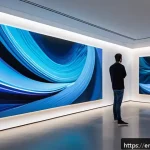
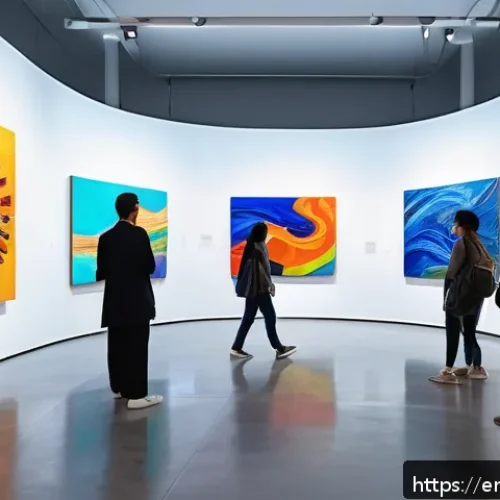
AI 예술과 음악 시각화 - A futuristic AI art studio scene featuring a diverse group of artists collaborating with advanced AI...

Artificial intelligence is transforming the way we create and experience art, blending technology with creativity in unprecedented ways. From generating mesmerizing visuals to composing original music, AI is pushing the boundaries of human imagination.

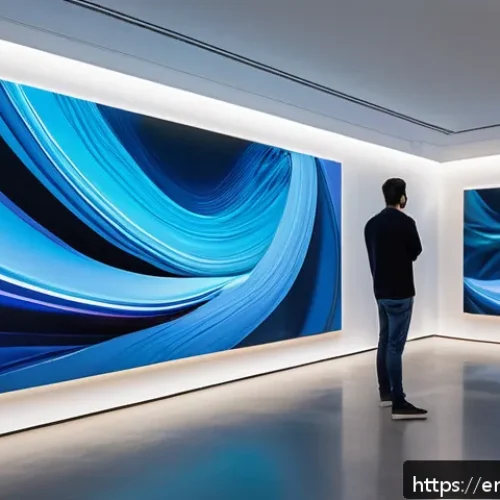
AI 예술과 음악 시각화 관련 이미지 1

Music visualization, in particular, offers a dynamic way to see sound, turning melodies into stunning, interactive art forms. This fusion not only enhances artistic expression but also opens new doors for artists and audiences alike.

As AI continues to evolve, its role in art and music will only deepen, reshaping how we connect with creative works. Let’s dive in and explore these fascinating developments in detail!

Revolutionizing Visual Creativity Through AI

How AI Algorithms Craft Unique Imagery

AI’s ability to generate art stems from complex algorithms that learn patterns from vast datasets of existing images. When I first experimented with AI art tools, I was amazed by how they could blend styles, merge concepts, and invent visuals that felt both fresh and strangely familiar.

These neural networks don’t just copy; they reinterpret and reimagine, producing artwork that can range from abstract dreamscapes to hyper-realistic portraits.

The creative process becomes a collaboration between human intention and machine interpretation, opening up possibilities that were previously unimaginable.

The Role of Style Transfer in Modern Art

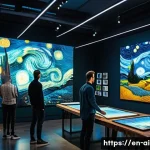
One of the coolest breakthroughs I noticed is style transfer technology. This technique lets you take the style of a famous painting—say, Van Gogh’s brushstrokes—and apply it to your own photographs or digital creations.

It’s like having a master painter guide your hand. From a practical perspective, style transfer allows artists without formal training to explore and create sophisticated art forms.

For professionals, it acts as a powerful tool to experiment with new aesthetics, pushing creative boundaries effortlessly.

Interactive Art Experiences Enabled by AI

What really blew me away was the emergence of interactive AI art installations. These setups respond to the viewer’s movements, voice, or even emotions, creating a personalized art experience.

For example, some exhibitions use AI to modify visuals in real time based on audience reactions, turning passive viewing into an engaging dialogue. This dynamic relationship between art and spectator transforms how we perceive creativity—not just as static objects but as evolving experiences shaped by human presence.

Advertisement

Transforming Sound into Spectacle: Visual Music Interpretation

Decoding Music Through Visual Patterns

Music visualization technology translates audio signals into vibrant images and animations, revealing the structure and emotion behind the sound. When I first saw a visualization that pulsed and shifted with a song’s rhythm, it felt like the music was coming alive visually.

These visualizers work by analyzing elements like frequency, amplitude, and tempo, then mapping them to colors, shapes, or movements. The result is a mesmerizing dance of light and form that mirrors the energy and mood of the music.

Tools That Bring Music to Life Visually

There’s a wide range of software and apps designed for music visualization, each with unique features. Some offer real-time visual effects during live performances, while others generate high-quality videos for recorded tracks.

Personally, I enjoyed using platforms that allow customization of visual elements, letting me sync visuals precisely with the song’s emotional peaks. This customization enhances storytelling, making the music experience more immersive and memorable.

Enhancing Audience Engagement Through Visuals

Visual music interpretations don’t just add flair—they deepen connection. For audiences, seeing sound translated visually can make complex compositions more accessible and enjoyable.

For artists, it provides another channel to express their vision and connect emotionally with fans. From concerts using massive LED screens to small-scale online visualizers, the interplay of sight and sound enriches the sensory experience, often leaving lasting impressions.

Advertisement

Bridging the Gap Between Human Creativity and Machine Intelligence

Collaborative Art Creation: Humans and AI Together

What fascinates me most is the collaborative potential AI brings to creativity. Rather than replacing artists, AI acts as a co-creator or assistant that expands artistic possibilities.

For instance, musicians might use AI to generate new melodies or harmonies, then refine these ideas based on their own instincts. Painters can employ AI to explore color palettes or composition options that they might never consider alone.

This partnership blends human intuition with machine precision, producing richer, more diverse works.

Challenges in Maintaining Authenticity

Despite its promise, the AI-art fusion raises questions about authenticity and originality. I’ve encountered debates about whether AI-generated art can truly be called creative, or if it’s just remixing existing data.

Artists also wrestle with how much control to relinquish to AI, balancing between inspiration and authorship. Navigating these issues requires transparency about AI’s role and a clear understanding that creativity is a spectrum—sometimes enhanced by technology, sometimes defined by it.

The Future Landscape of Artistic Professions

As AI tools become more accessible and powerful, creative professionals will need to adapt. From graphic designers to composers, understanding AI’s capabilities could become essential.

I’ve noticed early adopters gaining a competitive edge by integrating AI into their workflow, speeding up production while exploring new creative avenues.

The key will be embracing AI as a tool that complements human skill, rather than viewing it as a threat to traditional artistic careers.

Advertisement

Exploring the Impact of AI on Music Composition

AI as a Composer: Generating Original Soundscapes

AI systems today can compose entire pieces of music, often indistinguishable from human-made tracks. I remember testing one AI composer that created jazz improvisations on the fly—its ability to mimic complex rhythms and harmonies was uncanny.

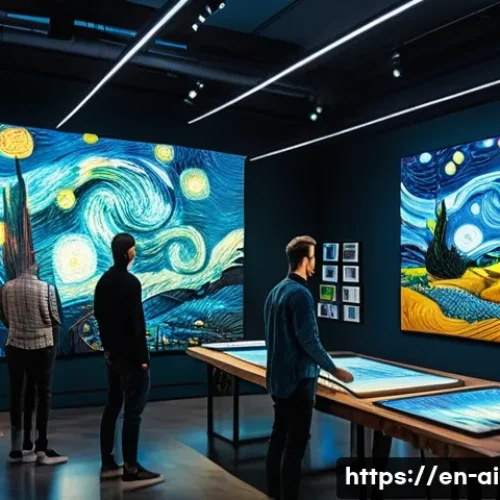
AI 예술과 음악 시각화 관련 이미지 2

These systems analyze massive libraries of music, learning styles and structures to generate new compositions that fit specific moods or genres. For creators, this means an endless source of inspiration and raw material to build upon.

Personalization and Adaptive Music Experiences

Another exciting application is personalized music generation, where AI tailors songs to individual preferences or contexts. Imagine workout playlists that dynamically adjust tempo and intensity based on your heart rate, or meditation music that changes with your mood.

I found these adaptive experiences incredibly engaging, as they respond uniquely to each listener, making music feel more intimate and relevant.

Limitations and Ethical Considerations

While AI music composition is impressive, it’s not without flaws. Sometimes, AI-generated pieces lack emotional depth or feel formulaic, missing the subtle nuances of human expression.

Additionally, ethical concerns arise around copyright and the use of existing works for AI training. Artists and developers must navigate these challenges carefully to ensure respect for creative rights and maintain artistic integrity.

Advertisement

Integrating AI Visuals into Live Performances

Enhancing Stage Presence with Real-Time Graphics

Live concerts have been transformed by AI-powered visual effects that react instantly to music and performer movements. I attended a show where the stage backdrop shifted colors and patterns in sync with the band’s energy, creating a fully immersive atmosphere.

These visuals not only amplify the music’s emotional impact but also turn performances into multi-sensory spectacles, captivating audiences on a deeper level.

Audience Interaction Through AI-Driven Visuals

Some artists are experimenting with AI systems that incorporate audience participation. For example, crowd noise or gestures can influence the visual displays, making attendees active contributors to the art.

From my experience, this interactivity fosters a sense of community and shared creativity, making concerts feel more personal and memorable.

Technical Challenges and Innovations

Implementing AI visuals live isn’t without hurdles. Synchronization, latency, and hardware limitations can affect performance quality. However, advancements in machine learning models optimized for real-time use and powerful graphic processors are steadily overcoming these barriers.

Artists and technicians working closely together are pushing the envelope, constantly innovating to create flawless, breathtaking shows.

Advertisement

Tools and Technologies Driving AI Art and Music Visualization

Popular AI Art Generators and Their Features

Platforms like DALL·E, Midjourney, and Artbreeder have become go-to tools for AI-generated imagery. Each offers unique capabilities—from text-to-image synthesis to collaborative breeding of art styles.

I’ve found that experimenting with multiple platforms allows for greater creative flexibility, as each interprets input differently. Many of these tools now incorporate user-friendly interfaces, making AI art accessible to novices and pros alike.

Leading Music Visualization Software

Software like Magic Music Visuals, Resolume, and Winamp Visualizer have evolved to incorporate AI-driven features, enabling more intricate and responsive visual effects.

When I used Magic Music Visuals, the ability to customize visuals based on live audio input was a game changer, allowing for perfect synchronization and expressive displays.

These tools often support integration with MIDI controllers and VJ setups, bridging music and visual art seamlessly.

Comparing Capabilities of AI Tools

Tool Primary Use Strengths Limitations
DALL·E Text-to-Image Generation High-quality, diverse image outputs; easy prompt customization Occasional lack of fine detail; limited control over composition
Midjourney Artistic Style Emulation Rich stylistic options; great for creative experimentation Requires Discord access; slower generation times
Magic Music Visuals Music Visualization Real-time audio-reactive visuals; customizable Steep learning curve; resource-intensive
Resolume Live Visual Performance Robust VJ software; supports AI plugins Expensive; complex interface for beginners
Advertisement

Conclusion

AI is reshaping the landscape of visual and musical creativity in remarkable ways. From generating unique artworks to transforming live performances, the fusion of human imagination and machine intelligence opens endless possibilities. Embracing these technologies can enhance artistic expression while inviting fresh conversations about creativity’s evolving nature. As we move forward, the collaboration between artists and AI promises to inspire innovation like never before.

Advertisement

Useful Information to Know

1. AI art tools can blend and reinterpret styles, allowing both novices and professionals to create unique visuals effortlessly.
2. Style transfer technology enables applying famous art techniques to personal images, democratizing creative expression.
3. Interactive AI installations engage audiences by responding to movements and emotions, making art a shared experience.
4. Music visualization software translates sound into dynamic visuals, enhancing emotional connection and immersion.
5. Combining AI with live performances elevates stage presence and audience participation, turning shows into multisensory events.

Advertisement

Key Takeaways

Understanding AI’s role as a creative partner—not a replacement—is essential for future artists. While AI expands artistic possibilities, maintaining authenticity and ethical standards remains crucial. Adapting to AI tools can boost productivity and open new creative avenues, but balancing human intuition with machine input ensures meaningful and original works. Staying informed about technological advancements and their limitations will help artists thrive in this evolving landscape.

Frequently Asked Questions (FAQ) 📖

Q: How is artificial intelligence changing the creation of art and music?

A: Artificial intelligence is revolutionizing art and music by enabling creators to generate works that were previously unimaginable. For instance, AI algorithms can compose original melodies, craft unique visual patterns, and even blend different artistic styles seamlessly.
From my experience, using AI tools has allowed me to experiment beyond my usual creative limits, producing pieces that feel fresh and innovative. This technology acts as a collaborator, offering new perspectives and possibilities that expand the traditional boundaries of human creativity.

Q: What exactly is music visualization, and why is it important?

A: Music visualization is the process of transforming sound into dynamic visual forms, such as animations or interactive graphics that respond to melodies and rhythms.
It’s important because it creates a multisensory experience, making music more immersive and engaging. Personally, when I watch music visualizations, I feel more connected to the emotions behind the music, as the visuals amplify the mood and energy.
For artists and audiences alike, this fusion enhances storytelling and offers a fresh way to appreciate sound beyond just listening.

Q: Will

A: I eventually replace human artists and musicians? A3: While AI is a powerful tool, it’s unlikely to replace human artists and musicians entirely. In my opinion, AI complements human creativity rather than substitutes it.
The emotional depth, personal experiences, and cultural context that humans bring to art can’t be fully replicated by machines. Instead, AI serves as an assistant that opens new creative avenues and speeds up certain processes, allowing artists to focus more on expression and innovation.
The best results often come from a blend of human intuition and AI’s technical capabilities.

📚 References


➤ Link

– Google Search

➤ Link

– Bing Search

➤ Link

– Google Search

➤ Link

– Bing Search

➤ Link

– Google Search

➤ Link

– Bing Search

➤ Link

– Google Search

➤ Link

– Bing Search

➤ Link

– Google Search

➤ Link

– Bing Search

➤ Link

– Google Search

➤ Link

– Bing Search

➤ Link

– Google Search

➤ Link

– Bing Search
Advertisement