Exploring the world of AI-generated art has never been more exciting, and MidJourney stands out as one of the most intuitive tools for creatives and beginners alike.

Whether you’re looking to craft stunning visuals or experiment with unique styles, this platform offers a seamless experience that sparks endless creativity.
I’ve spent some time diving into its features, and the potential it unlocks is truly impressive. From setting up your first project to mastering advanced prompts, there’s a lot to uncover.
Let’s dive deeper and get a clear understanding of how to make the most out of MidJourney!
Getting Comfortable with the MidJourney Interface
Understanding the Dashboard Layout
Navigating MidJourney’s interface is surprisingly straightforward, even if you’re new to AI-generated art platforms. When you first log in, you’ll notice a clean dashboard that organizes your projects and recent creations neatly.
The sidebar hosts essential tools like project folders, settings, and community galleries, which makes jumping between tasks feel seamless. Personally, I found that spending just a few minutes exploring these sections helped me avoid feeling overwhelmed, especially since the platform doesn’t bombard you with too many options at once.
This gentle approach encourages experimentation without the fear of messing things up, which is a huge plus for beginners.
Setting Up Your First Creation Space
Starting a new project in MidJourney is as simple as clicking the “Create” button and choosing your canvas size. What I appreciated the most here was the flexibility to customize resolution and aspect ratios, allowing you to tailor outputs for social media, prints, or personal collections.
I usually start with a standard 16:9 ratio because it fits well on most screens, but it’s nice to know you’re not boxed into a single format. The platform also offers pre-made templates that can act as a creative springboard if you’re stuck or just want to speed up the process.
This hands-on customization sets a solid foundation for your artistic journey.
Exploring the Toolset and Basic Features
MidJourney’s toolset includes everything from brush styles and texture overlays to color palettes and layering options. What really stood out to me was how intuitive the brush controls felt—smooth and responsive, almost like working with real paint.
The layering system is straightforward, allowing you to stack effects or tweak individual components without affecting the whole image. I found myself experimenting with blending modes early on, which opened up a whole new dimension of creativity.
While it might take a little time to master, the platform’s built-in tooltips and tutorial prompts provide excellent guidance along the way.
Crafting Your Visual Story with Prompts
How to Write Effective Prompts
The magic of MidJourney lies in its prompt system, where your words directly influence the generated art. From my experience, the key to getting desirable results is striking a balance between detail and openness.
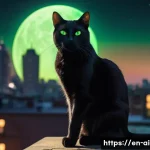
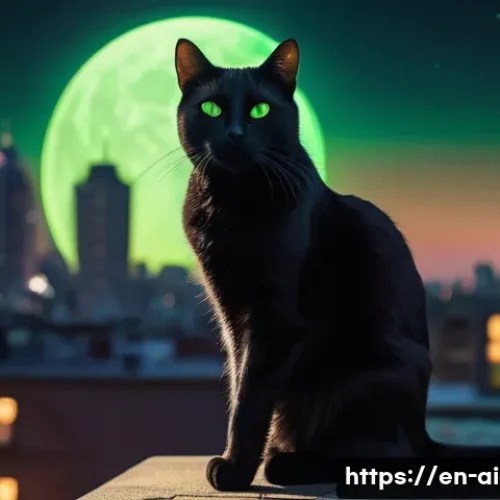
Overly specific prompts can sometimes limit creativity, while vague ones might produce unpredictable outputs. For example, instead of saying “a cat,” try “a sleek black cat with glowing green eyes sitting on a moonlit rooftop.” Adding sensory details like lighting, mood, or environment helps the AI grasp your vision better.
The platform also supports multiple languages, but I’ve noticed English prompts tend to yield more nuanced results due to broader training data.
Utilizing Style Modifiers and Keywords
MidJourney includes an impressive set of style modifiers that you can append to your prompts to steer the aesthetics—think “cyberpunk,” “watercolor,” or “surreal.” In practice, I started mixing these keywords to see how they altered the output, and the results were often stunning.
For instance, pairing “vintage film” with “cityscape at dusk” created a nostalgic yet vibrant image that felt almost cinematic. These modifiers act like a secret sauce, letting you tap into specific art movements or moods without needing in-depth knowledge of art theory.
It’s a quick way to elevate your creations and keep the process fun.
Adjusting Parameters for Fine-Tuning
Beyond basic prompts, MidJourney allows you to tweak parameters like “chaos,” “quality,” and “seed” to further customize outputs. “Chaos” controls randomness—higher values produce more abstract results, while lower values keep things predictable.
“Quality” affects rendering time and detail, with higher settings giving you sharper images but requiring more processing power. The “seed” parameter is especially useful if you want to recreate or slightly modify a previous piece without starting from scratch.
Personally, playing around with these settings felt like tuning a musical instrument, where small adjustments made a big difference in the final art.
Collaborating and Sharing Your Art
Community Features and Feedback
One of the aspects that really enhanced my MidJourney experience was the vibrant community surrounding the platform. There’s a built-in gallery where users showcase their creations, exchange tips, and even collaborate on projects.
Receiving feedback from fellow artists and enthusiasts helped me refine my skills and discover new techniques I hadn’t considered. The platform encourages interaction through comments and “remix” options, where you can take someone else’s art and reinterpret it with your own twist.
This social aspect turns the creative process into a shared adventure rather than a solitary task.
Exporting and Licensing Your Creations
When it’s time to save or share your work, MidJourney offers multiple export options, including high-resolution PNGs and JPEGs optimized for different platforms.
I appreciated that the platform provides clear licensing guidelines, ensuring you know how your AI-generated art can be used commercially or personally.
This transparency is crucial, especially if you plan to sell prints or incorporate your creations into larger projects. Additionally, there’s a convenient direct sharing feature to social media, which makes posting your latest masterpiece effortless and helps you build an audience organically.
Integrating MidJourney with Other Creative Tools
For those who like to push boundaries, MidJourney plays well with other design software like Adobe Photoshop and Procreate. After exporting your base image, you can import it into these programs for further refinement, adding hand-drawn elements or complex edits.
I found this workflow particularly satisfying when creating mixed-media projects or preparing art for commercial use. The flexibility to blend AI-generated and traditional techniques opens up endless possibilities, making MidJourney a powerful starting point rather than a limiting endpoint.
Optimizing Your Workflow for Consistency
Organizing Projects and Assets Efficiently
Keeping your work organized is crucial when juggling multiple projects, and MidJourney’s folder system makes this task manageable. I developed a habit of categorizing my creations by theme or client right from the start, which saved me countless hours hunting down files later.
The platform also supports tagging, so you can quickly search for specific styles or concepts within your library. This organizational structure is a game-changer, especially for those who use AI art in a professional capacity or collaborate with teams.
It helps maintain a smooth creative flow without the chaos of scattered files.
Batch Processing and Automation Tips
MidJourney supports batch generation, allowing you to produce multiple variations of a prompt simultaneously. I used this feature extensively when brainstorming ideas or preparing concept art for presentations.

It’s like having a virtual assistant that quickly sketches out options for you to choose from or refine. Combining this with saved prompt templates and parameter presets significantly speeds up the creative process.
For anyone looking to maximize productivity, learning to automate repetitive tasks within MidJourney is a must.
Tracking Your Progress and Learning Curve
When I first started, I kept a simple journal noting down prompts, settings, and results to track what worked and what didn’t. This habit helped me identify patterns and improve my command over the tool.
MidJourney also offers a history feature that logs your recent projects, making it easy to revisit and tweak previous work. Recognizing your growth not only boosts confidence but also deepens your understanding of AI art generation’s nuances.
For creatives aiming to build a consistent style, this reflective practice is invaluable.
Understanding Pricing and Subscription Options
Overview of Available Plans
MidJourney offers several subscription tiers to accommodate different user needs, from casual hobbyists to professional artists. The free trial lets you test the waters with a limited number of image generations, which is perfect for beginners.
Paid plans vary mainly by the number of jobs you can process monthly and priority access to new features. I found the mid-tier subscription ideal for serious exploration without the commitment of the highest tier, which is geared more toward commercial users requiring faster turnaround and extended usage rights.
Cost Versus Value for Creators
Investing in MidJourney’s subscription pays off if you regularly create visual content or need quick concept art. The quality and flexibility you gain far outweigh the monthly fee, especially when compared to hiring graphic designers or purchasing stock art.
In my experience, the ability to iterate rapidly and customize outputs in real-time delivers immense value, making it a cost-effective tool for freelancers, marketers, and small studios.
Plus, the ongoing updates and community support justify the subscription as an investment in your creative toolkit.
Tips for Managing Your Usage Efficiently
To get the most bang for your buck, it’s wise to plan your projects in advance and batch your image requests. Avoiding impulsive generations helps conserve your monthly quota.
Additionally, leveraging the free community trials or referral bonuses can extend your usage without extra cost. I also recommend experimenting within the free limits to fine-tune your prompts before committing to paid runs.
This strategy reduces waste and ensures you spend your subscription time on high-impact creations that truly benefit your goals.
Exploring Advanced Techniques and Future Possibilities
Combining AI Art with Traditional Methods
One of the most exciting trends I’ve noticed is blending MidJourney’s AI outputs with hand-painted or digitally drawn layers. This hybrid approach allows artists to use AI as a powerful brainstorming tool or base layer, then add personal touches to elevate the piece.
It’s a workflow that respects traditional skills while embracing innovation. For instance, I’ve used AI-generated landscapes as backgrounds and painted over them to add characters and details, creating unique artworks that neither method could achieve alone.
Experimenting with AI-Driven Animation
While MidJourney focuses primarily on still images, there’s growing interest in animating AI-generated art. Some creators export sequences of images with slight variations and compile them into GIFs or video clips, adding motion and storytelling elements.
This technique can breathe life into static art and open new avenues for content creation on platforms like TikTok and Instagram. Though it requires additional software, the process is surprisingly accessible and can yield captivating results that grab attention in crowded digital spaces.
Keeping an Eye on Emerging Features
MidJourney is evolving rapidly, with new features and improvements rolling out frequently. Staying updated by following official announcements and community forums is essential to leverage the latest tools effectively.
I’ve noticed features like enhanced detail rendering, style blending, and collaborative modes appearing in recent updates, which hint at a future where AI art becomes even more customizable and interactive.
For creatives invested in this space, embracing these advancements early can provide a competitive edge and fresh inspiration.
| Feature | Description | Best For | Tips |
|---|---|---|---|
| Prompt Modifiers | Keywords that influence style and mood | Users wanting specific art aesthetics | Combine multiple modifiers for unique results |
| Batch Generation | Create multiple images from one prompt | Brainstorming and concept art | Use to explore variations quickly |
| Parameter Tweaks | Adjust chaos, quality, and seed | Users refining output precision | Experiment with low chaos for predictability |
| Community Gallery | Platform for sharing and feedback | Artists seeking critique and inspiration | Engage actively for growth and ideas |
| Export Options | High-res images in various formats | Creators preparing work for different uses | Choose format based on end platform |
Wrapping Up
MidJourney offers a user-friendly interface that invites creativity without overwhelming newcomers. Its flexible tools and prompt system empower artists to craft unique visuals effortlessly. With community support and integration options, it’s a versatile platform for both hobbyists and professionals. Exploring its features gradually helps build confidence and unlocks endless artistic possibilities.
Useful Tips to Keep in Mind
1. Take time to familiarize yourself with the dashboard to navigate projects smoothly and avoid confusion.
2. Experiment with prompt details and style modifiers to find the perfect balance that sparks creativity.
3. Use batch generation to save time and explore multiple variations quickly.
4. Engage with the community for feedback, inspiration, and collaborative growth.
5. Manage your subscription wisely by planning projects and using free trials to maximize value.
Key Takeaways
Understanding MidJourney’s interface and tools is essential for maximizing your creative output. Writing clear, balanced prompts combined with style modifiers enhances the quality of generated art. Leveraging community features accelerates learning and offers valuable feedback. Efficient project organization and batch processing streamline your workflow, while mindful subscription management ensures cost-effective use. Finally, staying updated on new features keeps your artistic edge sharp in this rapidly evolving AI art landscape.
Frequently Asked Questions (FAQ) 📖
Q: How beginner-friendly is MidJourney for someone new to
A: I-generated art? A1: MidJourney is surprisingly approachable for beginners. When I first tried it, the interface was straightforward, and the community support made learning smooth.
You don’t need to have technical skills to start creating impressive visuals; just typing descriptive prompts guides the AI to generate art. Plus, the platform offers helpful tutorials and examples, which really helped me get comfortable fast.
If you’re curious and willing to experiment, MidJourney makes the creative process enjoyable from the get-go.
Q: What are some tips for crafting effective prompts to get the best results in MidJourney?
A: From my experience, the key to great results lies in being clear yet creative with your prompts. Instead of vague descriptions, try combining specific adjectives, styles, and subjects—like “vibrant cyberpunk cityscape at dusk” or “surreal portrait with watercolor textures.” Also, experimenting with different prompt lengths can surprise you; sometimes short phrases work better, other times detailed sentences do.
Don’t hesitate to iterate—tweak your prompts based on the outputs you get, and you’ll quickly learn what the AI responds to best.
Q: Can MidJourney be used for commercial projects, and are there any restrictions?
A: Yes, MidJourney can definitely be used for commercial purposes, but you need to be mindful of their licensing terms. When I started using it for client work, I made sure to review their policies carefully.
Typically, paid subscription plans grant you commercial usage rights, which is great for freelancers and businesses alike. However, it’s important to avoid using generated content in ways that violate copyright or ethical guidelines.
Always double-check the latest terms on their site to ensure you’re compliant and protected.