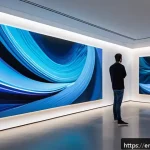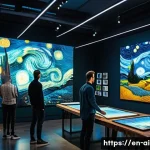
The art world is buzzing, and if you haven’t noticed, technology is completely rewriting the rules. Remember when AI art felt like a niche, almost futuristic concept?
Well, fast forward to today, and it’s not just a novelty anymore; it’s a dynamic force transforming everything from digital canvases to sprawling gallery spaces.
What really blows me away is how artists are now collaborating with AI, not just using it as a tool, but as a genuine creative partner to dream up visuals we could barely imagine before.
We’re seeing hyper-realistic generative art that blurs the lines between what’s human-made and machine-made, along with stunning AI-generated landscapes and textures showing up everywhere from interior design to fashion.
But it’s not just about creating static images. The real magic, in my opinion, is happening where AI meets immersive experiences. Think about it: stepping into an art piece that responds to your movements, sound, even your emotions, creating a truly personalized journey.
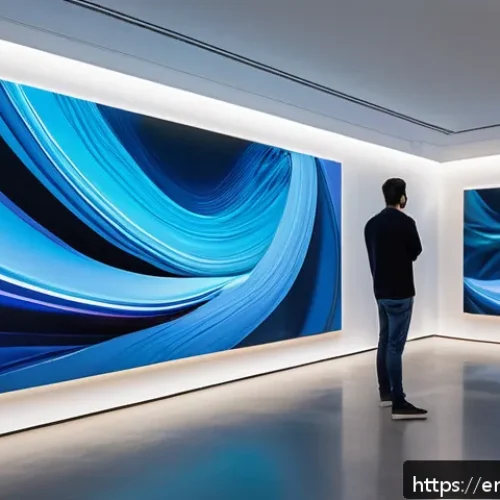
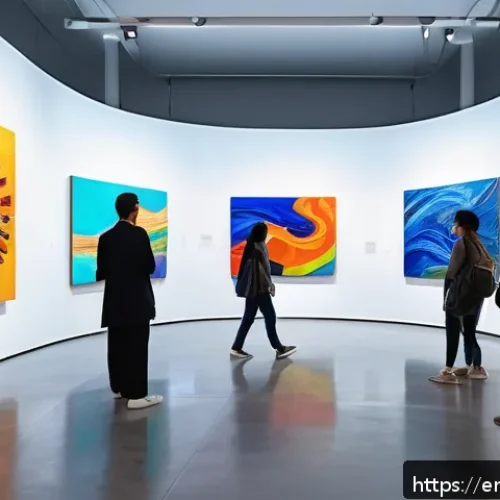
We’re talking about virtual and augmented reality pushing boundaries, turning traditional art viewing into active participation. From multisensory installations that engage sight, sound, and touch, to interactive digital art that makes you a part of the artwork itself, the future of art is about feeling it, walking through it, becoming part of it.
It’s an exciting time where digital art isn’t just something you look at; it’s an entire world you can inhabit. This shift isn’t just for tech geeks, either; it’s democratizing art, making it more accessible and engaging for everyone.
Curious about how these groundbreaking trends are redefining creativity and what it means for artists, audiences, and even your own digital footprint?
Let’s uncover the full story and explore how AI and immersive art are shaping our creative landscape.
My First Dive into AI Art: When Code Became My Co-Creator

Honestly, when I first heard about AI art, I was a bit skeptical. Like many, I wondered if it was just a gimmick, something that would dilute the essence of human creativity. But boy, was I wrong! My initial experiments, using platforms like Midjourney and DALL-E, completely blew my mind. I remember tinkering with prompts, trying to coax out a specific aesthetic, and watching as the AI generated incredibly intricate and unexpected visuals. It wasn’t just a tool; it felt like a silent partner, offering endless permutations I never would have conceived on my own. It felt less about commanding a machine and more about a collaborative dance, where my vision met the algorithm’s boundless imagination. This shift from pure manual creation to a guided discovery process has truly redefined what I consider “my art.” I’ve spent countless hours, often late into the night, exploring how a subtle change in a prompt can lead to an entirely new visual narrative. It’s an addictive process that genuinely makes you rethink the boundaries of your own creative capacity. The feeling of seeing an AI interpret a complex, abstract concept from my mind into something visually stunning is incredibly rewarding and a testament to the evolving partnership between humans and machines in the creative space. The journey has been less about replacing human artists and more about augmenting our capabilities, pushing us into uncharted territories of visual storytelling.
Embracing the Algorithmic Muse
For me, embracing AI as a muse wasn’t an overnight switch; it was a gradual, eye-opening process. I started by feeding it abstract ideas, feelings, and even snippets of poetry, just to see what it would conjure up. What I discovered was an incredible ability for the AI to interpret and synthesize information in ways that spark completely new ideas. It’s like having an endlessly patient brainstorming partner who never runs out of suggestions. I’ve used it to generate mood boards for upcoming projects, to explore color palettes I wouldn’t typically gravitate towards, and even to create base textures that I then manipulate further in Photoshop. This initial phase of creative exploration has become an indispensable part of my workflow, accelerating the conceptualization process significantly. The best part? It challenges my own biases and pushes me out of my comfort zone, forcing me to consider aesthetics and compositions I might otherwise overlook. It’s a true co-inspiration, fueling my own artistic drive while simultaneously expanding the very definition of what art can be in this digital age. I’ve found that the more I engage with it, the more I understand its unique language and how to effectively communicate my creative intentions.
From Concept to Canvas: The AI Workflow I Love
My typical workflow with AI art now starts with a broad concept. Let’s say I want to create a fantastical cityscape inspired by bioluminescent flora. Instead of sketching endlessly, I’ll jump straight to an AI art generator. I’ll input a detailed prompt, playing with modifiers like lighting, atmosphere, and artistic style. I’ll generate dozens of images, picking the ones that resonate most with my initial vision. Then, I take those AI-generated images as a starting point. This isn’t where the art ends; it’s where my traditional artistic skills kick in. I’ll often bring these images into a digital painting program, using them as a foundation to add intricate details, refine compositions, or blend elements from multiple generations. Sometimes, the AI gives me something so perfect it needs minimal tweaking, but often, it serves as a robust skeleton upon which I build the final, truly unique piece. This hybrid approach allows me to combine the efficiency and imaginative power of AI with my personal touch, ensuring the final artwork retains a distinct human fingerprint while benefiting from algorithmic brilliance. It’s a fascinating dance between machine intuition and human refinement that I’ve found incredibly rewarding and creatively liberating.
Beyond the Screen: Stepping Into Worlds You Can Touch, See, and Feel
While AI art is certainly captivating on a screen, what truly sends shivers down my spine is how immersive experiences are completely transforming how we interact with art. We’re talking about stepping *into* a painting, experiencing a sculpture that responds to your presence, or becoming part of a story told through light and sound. I’ve had the privilege of walking through a virtual forest where the trees seemed to breathe with me, and the light shifted based on my movements. It wasn’t just looking at art; it was *living* within it. This isn’t just about fancy tech; it’s about breaking down the invisible barrier between the observer and the artwork, creating a profound, unforgettable connection. The sensory overload (in the best possible way!) that these installations provide makes you question your perception of reality and truly elevates the artistic experience far beyond a passive viewing. I often find myself completely lost in these environments, forgetting the outside world, which speaks volumes about their power and impact. It’s a testament to how technology, when wielded by creative minds, can unlock entirely new dimensions of human experience and emotional resonance.
Feeling the Art: Multisensory Installations That Stick With You
I recently visited an exhibition that combined projected visuals, spatial audio, and even subtle scent dispersal to create an utterly breathtaking experience. As I moved through the space, a story unfolded around me. A gentle mist, combined with the sound of trickling water, transported me to a serene riverside, followed by the faint scent of pine when digital trees materialized on the walls. It wasn’t just an illusion; it was a complete sensory immersion that tapped into memories and emotions I didn’t even realize were waiting to be evoked. This kind of multisensory art doesn’t just show you a concept; it makes you *feel* it in your bones. It’s a level of engagement that traditional two-dimensional art, as beautiful as it is, struggles to achieve. The installations are designed to linger with you long after you’ve left, sparking conversations and reflections on what you’ve just witnessed. The way these experiences can subtly manipulate your senses to tell a story or evoke a feeling is nothing short of artistic genius, showcasing the incredible potential for technology to deepen our engagement with art. I’m always on the lookout for new experiences that push these boundaries, as they truly redefine what art can be.
Your Role in the Masterpiece: Interactive Experiences Explored
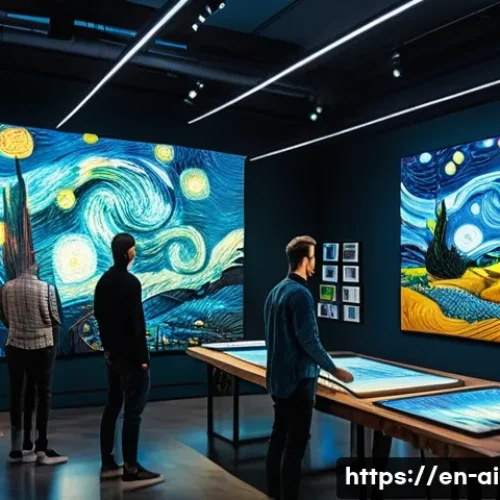
One of the coolest aspects of immersive art is how it often invites you, the audience, to become an active participant. I’ve been in rooms where my movements changed the patterns on a giant screen, where my voice altered a generative soundscape, and even where my emotions, detected by subtle sensors, influenced the color palette of an entire environment. It’s no longer about a static piece created by an artist for you to observe; it’s about a dynamic creation that adapts and evolves *because* of your presence. This interactivity transforms passive viewing into a personalized journey, making each visit unique. You’re not just a spectator; you’re a co-creator, a performer, and an integral part of the living artwork. It’s a powerful feeling to realize that your actions directly contribute to the aesthetic outcome, fostering a deeper sense of connection and ownership over the experience. This paradigm shift from consumption to participation is, in my opinion, one of the most exciting developments in the art world today, pushing the boundaries of traditional engagement and making art truly come alive for everyone involved. I love how it democratizes creativity, inviting everyone to contribute.
The Great Debate: Authenticity and the Human Touch in AI-Generated Art
With all this incredible innovation, it’s natural for questions to arise, especially concerning authenticity and the very definition of “art.” I’ve had countless discussions with fellow artists and enthusiasts about where the human touch truly lies when an algorithm is involved. Is a piece less authentic if a machine helped generate it? For me, the answer is a resounding no. The human element isn’t diminished; it’s simply shifted. Instead of wielding a brush, the artist now wields prompts, curates results, and refines the AI’s output with their unique vision. The discernment, the intention, the emotional context—these all still originate from the human creator. My experience has shown me that the AI is a sophisticated tool, an extension of the artist’s hand, much like a camera or a specialized software program. It doesn’t create art in a vacuum; it responds to human input and guidance. The true art, I believe, lies in the intelligent and intentional application of these new technologies to express a deeply human message or aesthetic. It’s about how we, as artists, adapt and expand our definition of creativity in this rapidly evolving landscape. Ultimately, the question isn’t whether it’s “real” art, but what it says, how it makes us feel, and the conversations it sparks.
Where Does the Artist End and the Algorithm Begin?
This is a question I wrestle with constantly, and honestly, there’s no single, easy answer. In my own work, I often find that the algorithm generates something unexpected, a happy accident that I then choose to incorporate or build upon. Does that make the AI the “artist” of that particular element? I tend to think of it more like a highly skilled assistant who offers compelling suggestions. The ultimate decision-making, the selection, the refinement, and the overarching artistic direction are always mine. The human artist becomes more of a conductor, orchestrating the output of various tools, including AI, to achieve a desired aesthetic. It requires a different kind of skill set—one that blends technical prompting expertise with traditional artistic sensibilities. The boundary isn’t a hard line but a fluid, dynamic space where human intuition and machine capability intertwine. It’s a fascinating new frontier that challenges our long-held notions of authorship and creativity, pushing us to redefine what it means to be an artist in the 21st century. It’s a continuous exploration, and that’s what makes it so exciting.
The Unexpected Beauty of Imperfection
Interestingly, some of the most captivating moments in AI art come from its “imperfections” or unexpected outputs. I’ve generated images that had bizarre, surreal elements—a hand with too many fingers, or a landscape that defies physics. Instead of discarding these, I often find myself embracing them. Sometimes, these quirks become the very essence of the piece, lending it a unique, dreamlike quality that a perfectly rendered image might lack. It reminds me that beauty isn’t always about flawless execution, but about intriguing narratives and emotional resonance. These “mistakes” often spark new creative directions, leading to pieces that are far more original and thought-provoking than my initial prompt intended. It’s a beautiful reminder that creativity thrives on serendipity and the unexpected, even when dealing with highly logical algorithms. These moments are where the machine’s “mind” truly diverges from human expectation, offering a glimpse into a different kind of creative logic that can be incredibly inspiring. I often use these imperfections as springboards for further development, adding my own interpretations to truly unique results.
Democratizing Creativity: How Tech is Opening Up the Art Scene
One of the most profound impacts I’ve witnessed from the rise of AI and immersive art is how it’s tearing down barriers in the art world. Historically, art creation and appreciation often felt exclusive, requiring expensive tools, specialized training, or access to elite galleries. But now? Almost anyone with an internet connection can start experimenting with AI art generators, creating stunning visuals without needing years of traditional art education. Similarly, immersive experiences, while still often requiring specialized setups, are becoming more widespread and accessible, turning public spaces and even homes into potential art installations. This democratization isn’t just about creation; it’s about consumption too. More people are engaging with art in new, exciting ways, leading to a broader appreciation and a more diverse artistic community. This shift is invigorating, bringing fresh perspectives and voices to the forefront, challenging established norms, and truly making art a more inclusive space for everyone. I’ve seen aspiring artists, who previously felt intimidated, find their voice through these new digital mediums, and that, to me, is incredibly inspiring.
Breaking Down Barriers: Art for Everyone, Everywhere
Think about it: before, if you wanted to see cutting-edge art, you often had to travel to major cities, visit specific galleries, or invest in expensive prints. Now, a significant portion of the art world is happening online. Digital galleries, virtual exhibitions, and social media platforms are showcasing incredible AI and immersive art to a global audience, instantly and often for free. This means geographical and financial barriers are significantly reduced. Someone in a remote village can experience the same groundbreaking digital installation as someone in New York City. This widespread accessibility is truly revolutionary, fostering a global dialogue around art and culture that was previously unimaginable. It’s not just about viewing; it’s about participating. Online communities are thriving, where artists share their AI creations, offer tips, and collaborate across continents. This creates a vibrant, interconnected ecosystem that benefits everyone involved, from seasoned professionals to curious newcomers. It’s thrilling to see how technology is truly leveling the playing field and inviting more people to the artistic table.
New Avenues for Artists to Thrive and Profit

Beyond accessibility for viewers, these new technologies are opening up incredible new pathways for artists to monetize their work. NFTs, for example, have created a digital ownership model that allows digital artists to sell unique pieces, something that was a challenge in the past. I’ve seen artists build entire careers selling AI-generated art as NFTs, reaching collectors worldwide. Furthermore, the demand for immersive content in everything from advertising to entertainment means artists with skills in VR, AR, and interactive design are highly sought after. Commissioned AI art, custom immersive experiences for brands, and even subscription models for generative art are becoming viable income streams. This expansion of the market means more artists can turn their passion into a sustainable career, free from some of the traditional constraints of the physical art market. It’s truly a golden age for digital creatives, offering a diverse array of opportunities to not only create groundbreaking work but also to build a successful livelihood around it. The entrepreneurial spirit in this space is palpable, and it’s incredibly exciting to be a part of. The landscape for making a living as an artist has never been more dynamic.
Future Gazing: What’s Next on the Horizon for Digital Art
If you thought what we’ve seen so far is mind-blowing, just wait. The pace of innovation in AI and immersive technologies is accelerating at an incredible rate, and I honestly believe we’ve only just scratched the surface. I envision a future where AI isn’t just generating static images or influencing visual art, but truly becoming an autonomous creative entity, perhaps even capable of developing its own unique artistic style and intent. Imagine AI collaborating with human musicians to compose symphonies, or AI choreographing entire immersive ballets. The possibilities are truly endless, limited only by our imaginations and the ethical frameworks we put in place. Furthermore, the integration of brain-computer interfaces (BCIs) could revolutionize immersive art, allowing us to experience art directly through thought, blurring the lines between consciousness and creation. It’s a future that promises both incredible artistic breakthroughs and profound philosophical questions about creativity itself. I find myself constantly captivated by the research papers and experimental projects coming out, as they give us tantalizing glimpses into what’s just around the corner, often exceeding my wildest expectations.
AI as a Curator and Personal Art Advisor
I can totally see a future where AI doesn’t just create art but also acts as your personal art curator or advisor. Imagine an AI that understands your artistic preferences, your mood, and even your subconscious desires, then recommends or generates art specifically tailored to you. It could analyze your past interactions with art, your emotional responses, and even your biometric data in an immersive environment to suggest pieces that would resonate deeply with you. This isn’t about replacing human curators, but augmenting the discovery process, helping you navigate the vast and ever-growing ocean of digital art. It could introduce you to artists and styles you never would have found on your own, creating a truly personalized art journey. Think of it like a highly sophisticated, aesthetically tuned Spotify for visual experiences. This level of personalization would make art consumption incredibly engaging and relevant, turning every art interaction into a bespoke experience. I’m really looking forward to a time when art discovery becomes as intuitive and tailored as my music recommendations.
Beyond Vision: The Evolution of Sensory Art
While much of the focus in immersive art is currently on visual and auditory experiences, I predict a huge leap into other senses. We’re already seeing hints of haptic feedback in VR, allowing you to “feel” textures or vibrations within a digital space. But what about taste and smell? Imagine an immersive art piece that tells a story through a sequence of bespoke aromas, or a virtual dining experience where AI generates flavors that complement visual projections. The integration of advanced haptic technology, perhaps through full-body suits, could allow for truly physical interactions with digital environments, making virtual art exhibitions feel incredibly real. The evolution of sensory art is poised to engage us on every single level, creating experiences that are so holistic and convincing that the line between the physical and digital world becomes almost imperceptible. This kind of multi-sensory storytelling holds immense potential for artists to evoke deeper emotions and create more profound, memorable experiences. It’s an exciting realm that could completely redefine our understanding of perception and artistic expression.
| Emerging Art Trend | Key Characteristics | Impact on Artists | Impact on Audience |
|---|---|---|---|
| AI Generative Art | Algorithms create novel images, sounds, or texts; collaboration between human and machine; rapid iteration of concepts. | New creative tools and workflows; expanded expressive possibilities; challenges traditional notions of authorship. | Access to diverse, unique artworks; interactive creation experiences; prompts philosophical questions about art. |
| Immersive Digital Art | Experiences using VR, AR, projection mapping, multisensory elements; art that responds to viewer interaction. | Opportunities for large-scale, interactive installations; new forms of storytelling; demand for interdisciplinary skills. | Engaging, personalized, and memorable experiences; breaking down passive viewing barriers; heightened emotional connection. |
| NFTs for Digital Art | Blockchain-based ownership of unique digital assets; verifiable scarcity and authenticity; global marketplaces. | New monetization models; direct artist-to-collector sales; increased visibility for digital artists. | Ability to own unique digital art; supporting artists directly; participation in a new digital economy. |
Making Your Mark: Engaging with the Digital Art Renaissance
This digital art renaissance isn’t just for established artists or tech gurus; it’s an open invitation for everyone to engage, explore, and even create. Whether you’re a seasoned art lover or just dipping your toes into the contemporary art scene, there are countless ways to connect with these exciting trends. Don’t be intimidated by the technology; think of it as a new language, one that opens up incredible avenues for expression and appreciation. My personal advice is to jump in and experiment. Follow digital artists on social media, visit virtual galleries, and if you’re feeling brave, try out some of the free AI art generators yourself. You might be surprised at what you discover, both about the art and about your own creative potential. This is a movement that thrives on participation and curiosity, so don’t hesitate to become a part of it. The beauty of this era is that the barriers to entry are lower than ever, making it easier for anyone to find their niche and contribute to the evolving narrative of art. It’s an exciting time to be an art enthusiast, and even more so to be a part of its creation.
How to Discover and Support Emerging Digital Artists
Finding new talent in the digital art space is incredibly easy once you know where to look. I spend a lot of time on platforms like ArtStation, DeviantArt, and Instagram, where many digital artists showcase their work. Twitter and Discord communities dedicated to AI art and NFTs are also treasure troves for discovering groundbreaking pieces and connecting directly with creators. When you find an artist whose work resonates with you, engage with them! Leave comments, share their work (with credit, of course!), and consider supporting them through platforms like Patreon or by purchasing their digital art as NFTs. Direct support from enthusiasts like us is crucial for these artists to continue pushing boundaries. It’s a fantastic way to be an early adopter and help shape the future of art. I’ve found some of my favorite artists through these channels, and building a direct connection with them adds another layer of richness to my art appreciation. It’s a truly rewarding experience to witness an artist’s journey from its early stages and play a small part in their success.
Even You Can Create: Tools and Tips to Get Started
If my journey has inspired you even a little, I wholeheartedly encourage you to try creating some digital art yourself! You don’t need expensive equipment or years of training. Start with free AI art generators like Midjourney (though it has a subscription model for full features), DALL-E, or Stable Diffusion. There are tons of beginner-friendly tutorials on YouTube that walk you through the basics of prompt engineering. Don’t be afraid to experiment with different keywords and styles. For immersive art, while creating complex VR experiences requires more specialized tools, you can explore accessible platforms like Unity or Unreal Engine, which offer free versions for learning. Even simpler, experiment with augmented reality apps on your smartphone that let you place digital art into your real-world environment. The key is to just start playing. Embrace the learning curve, enjoy the process of discovery, and let your imagination run wild. You might just uncover a hidden talent you never knew you had, and believe me, there’s nothing quite like the thrill of creating something entirely new in this ever-expanding digital playground. The journey is truly its own reward.
Closing Thoughts
Well, friends, what an exhilarating dive into the ever-evolving landscape of digital art! From my initial skepticism about AI-generated pieces to the profound, almost spiritual experiences of truly immersive installations, this journey has been nothing short of transformative. It’s a privilege to witness, and participate in, a movement that’s not just pushing artistic boundaries but entirely redefining them. This isn’t just about cool tech; it’s about unlocking new dimensions of human expression and connection, inviting each of us to explore creativity in ways we never thought possible. Keep exploring, keep creating, and let your imagination soar in this incredible new era of art!
Useful Information
Here are some quick tips and useful insights I’ve picked up along my journey in the digital art world:
1. Don’t hesitate to experiment with free AI art generators like Midjourney (check out their community for amazing prompts), DALL-E, or Stable Diffusion. They are fantastic entry points and surprisingly intuitive once you get going. Seriously, just type in what you’re thinking!
2. Engage with online communities on platforms like Discord and Twitter. They’re brimming with artists, tutorials, and inspiration. It’s where I learn about new tools and tricks constantly, and the community is incredibly supportive.
3. Explore virtual galleries and online exhibitions. Many museums and independent artists are showcasing groundbreaking digital works that you can experience from the comfort of your home, often for free. It’s like a global art tour without the jet lag!
4. When creating AI art, remember that your prompt is your paintbrush. Play with descriptive words, artistic styles, and emotional cues. Even a small tweak can lead to a dramatically different and often breathtaking result, so iterate often!
5. Support digital artists directly! Whether it’s through purchasing an NFT, backing them on Patreon, or simply sharing their work on social media, your engagement helps foster this vibrant new creative economy. It means the world to independent creators.
Key Takeaways
The digital art renaissance is a powerful testament to the boundless potential when human creativity meets technological innovation. It’s breaking down traditional barriers, democratizing artistic creation and appreciation, and fostering deeply immersive experiences that engage us on multiple sensory levels. Ultimately, it’s about a collaborative future where artists, algorithms, and audiences together redefine what art truly means in the 21st century, making it more accessible, interactive, and personally resonant than ever before.
Frequently Asked Questions (FAQ) 📖
Q: I’m intrigued by
A: I art, but I’m not an artist. Can someone like me actually create it, and where do I even begin? A1: Oh, absolutely!
And let me tell you, that’s one of the most exciting shifts I’ve seen. When I first dipped my toes into AI art, I thought I needed to be a coding wizard or a master painter, but that couldn’t be further from the truth today.
The beauty of it is how incredibly accessible it’s become. Tools like Midjourney, DALL-E, and Stable Diffusion have made it so user-friendly that if you can type a descriptive sentence, you can create stunning visuals.
I remember my first time trying a text-to-image generator; I just typed in “a futuristic city at sunset with neon lights and flying cars,” and boom, it generated something truly breathtaking.
My advice? Just pick one of those platforms, watch a quick tutorial on YouTube (there are tons of great ones), and start experimenting with prompts. Don’t be afraid to be specific and playful.
You’ll be amazed at what you can conjure up, and frankly, it’s a fantastic way to unleash a creative side you might not even know you had! It’s less about traditional art skills and more about imaginative storytelling.
Q: With all this talk about
A: I generating art, what does this mean for human artists, and what about the tricky stuff like copyright and originality? A2: That’s a huge conversation right now, and one I’m passionate about.
From my perspective, it’s not about replacing human artists but empowering them and even creating entirely new roles. Think of AI as an incredibly powerful assistant or a new kind of brush.
I’ve seen artists use AI to quickly iterate ideas, overcome creative blocks, or even generate initial concepts they can then refine and inject their unique human touch into.
The truly profound art, in my opinion, will always have a human story and intention behind it, even if AI is part of the execution. Now, regarding copyright and originality, you’ve hit on a major hot-button issue.
It’s still a bit of a Wild West out there, with legal frameworks trying to catch up. The general consensus evolving is that if an AI generates something without significant human input or a distinct creative direction, it’s difficult to claim human copyright.
However, if an artist uses AI as a tool to realize their vision, guiding the AI and making creative choices, then it’s a different story. What I’ve found personally is that the conversation pushes us to redefine what “art” and “authorship” really mean, and honestly, that’s a pretty exciting philosophical journey in itself!
Q: You mentioned immersive experiences – how is that truly transforming how we feel and interact with art, beyond just looking at a screen?
A: Oh, this is where my mind truly gets blown! We’re moving way past just passive viewing. When I first stepped into a VR art gallery, it was like nothing I’d ever experienced.
It wasn’t just seeing art; it was being inside it. Imagine an artwork that breathes, shifts, and even reacts to your presence. I recall an installation where the colors and sounds would change based on where you walked and how fast you moved.
It felt incredibly personal, almost like the art was having a conversation with me. It’s about engaging all your senses, not just sight. We’re talking about multisensory installations where touch, sound, and even scent are integrated, creating a truly holistic experience.
This shift makes art something you actively participate in, not just observe. It’s democratizing the experience too, making art less intimidating and more approachable.
It’s about breaking down the traditional walls of a gallery and allowing people to inhabit artistic worlds, creating memories that feel deeply personal and utterly unforgettable.
The future of art, to me, is all about that deep, personal, and interactive connection.