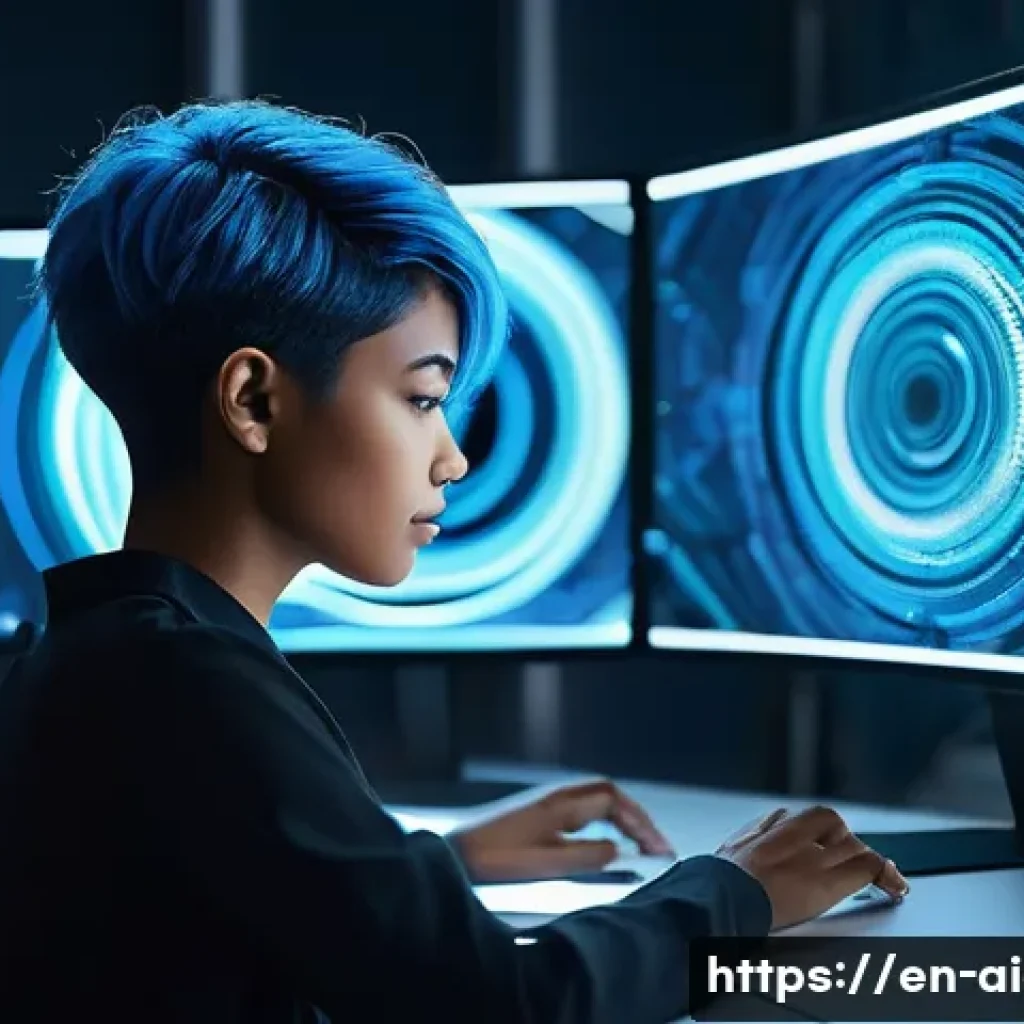
Hey everyone! If you’re anything like me, your social media feeds have probably been overflowing with mind-blowing images lately – stunning landscapes, bizarre characters, and abstract masterpieces, all seemingly conjured out of thin air.
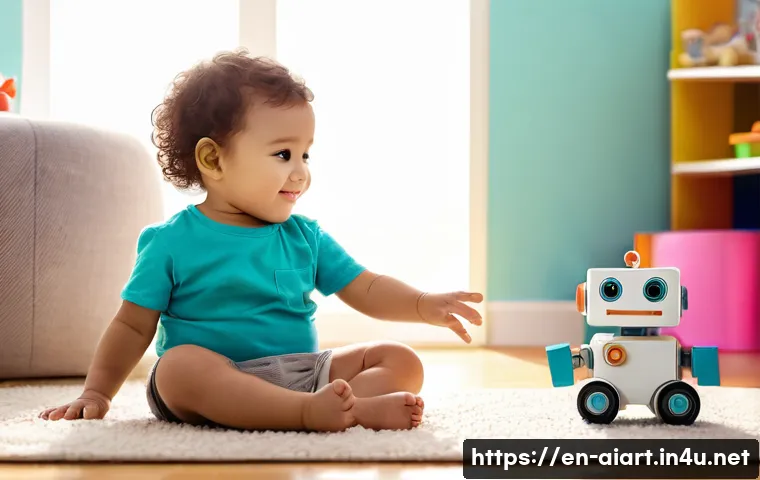
We’re talking about AI art, and honestly, it’s not just a passing fad; it’s a full-blown revolution that’s completely transforming how we think about creativity and what it even means to be an “artist.” I’ve been playing around with some of these incredible tools myself, and the sheer power to generate such visually stunning pieces with just a few words feels both exhilarating and, dare I say, a little bit unsettling at the same time.
It truly challenges everything we thought we knew about the human touch in art, opening up a Pandora’s Box of possibilities and crucial questions for traditional artists, innovative creators, and even just casual observers like us.
Whether you’re curious about how these incredible images are brought to life, what this means for the very future of human creativity, or simply want to understand the growing buzz, you’ve definitely landed in the right spot.
Let’s dive into the fascinating world of AI artists and unravel the magic behind it all.
It’s truly incredible how much AI has transformed the creative landscape in such a short time. I remember just a few years ago, the idea of a computer generating stunning, original artwork felt like something out of a sci-fi movie.
Now, it’s not only real but also accessible to pretty much anyone with an internet connection. I’ve personally spent countless hours experimenting with different AI art tools, and the sheer joy of seeing a vague idea in my head blossom into a visually rich image with just a few carefully chosen words is something I still find exhilarating.
It feels like having a magic wand for my imagination, allowing me to explore artistic avenues I never thought possible.
Crafting Visual Wonders: The Inner Workings of AI Art Generators
Ever wondered what really goes on behind the scenes when you type a few words into an AI art generator and moments later, a masterpiece appears? It’s not magic, though sometimes it feels pretty close! At its core, AI art generation relies on incredibly sophisticated machine learning models, primarily a type called generative adversarial networks (GANs) or diffusion models. These models are essentially digital artists in training, having “studied” an unimaginable number of images and artworks from vast datasets. They’ve learned about styles, colors, compositions, and even the subtle nuances that make an image feel realistic or evoke a certain emotion. When you input a prompt, the AI doesn’t just pull an image from a database; it literally “creates” something new, piece by piece, based on the patterns and knowledge it has absorbed. It’s a fascinating dance between data and algorithms, allowing for endless creative possibilities. I’ve found that understanding this basic process makes the results even more impressive, knowing the complexity under the hood.
The Art of the Prompt: Speaking the AI’s Language
-
Being Specific is Key: When you’re trying to coax a particular vision from an AI, vagueness is your enemy. Think of the AI as a highly skilled but literal apprentice. If you ask for “a beautiful landscape,” you might get something lovely, but it might not be *your* lovely. What I’ve noticed is that the more details I feed it—like “a misty, sun-drenched forest with ancient oak trees and a winding cobblestone path, in the style of a Pre-Raphaelite painting”—the closer the AI gets to what I truly envision. It’s all about providing clear instructions and guidelines to the algorithm.
-
Experimentation is Your Best Friend: Seriously, don’t be afraid to play around! I often keep a “prompt journal” (just a simple doc, really) where I jot down successful combinations of keywords, descriptors, and stylistic cues. Different AI tools respond best to different prompt lengths and styles, so what works wonders on Midjourney (which often prefers short, high-signal phrases) might need tweaking for DALL-E 3 (which works well with more straightforward, detailed descriptions). Iteration and refinement are part of the fun, and sometimes the most unexpected results come from a prompt you almost deleted.
Unleashing Your Inner Digital Creator: Getting Hands-On with AI Art Tools
If you’ve been on the sidelines, just watching the AI art phenomenon unfold, trust me, now is the time to jump in! It’s genuinely user-friendly, and you don’t need to be a tech wizard or a seasoned artist to start generating some truly captivating images. I remember my first few attempts felt like I was fumbling in the dark, but with each generated image, I learned a little more about how to “guide” the AI. The beauty of these tools is their ability to democratize art creation, allowing anyone with an idea to bring it to visual life. It’s an empowering feeling, to say the least, to bypass years of traditional art training and still produce something genuinely stunning.
Popular Platforms for Your Creative Journey
-
DALL-E 3: This one is often praised for its ability to create stunningly realistic and imaginative images with high prompt adherence. I’ve found DALL-E 3 to be incredibly intuitive, even for beginners, and it’s excellent for generating images where you need a strong connection between your text prompt and the final visual. Plus, if you’re already a ChatGPT user, it often comes bundled, making for a really seamless creative workflow.
-
Midjourney: Oh, Midjourney! This platform has a distinctive artistic style that many (including myself!) absolutely adore. While it can be a bit more finicky with prompts than DALL-E 3, the results often have a truly unique, almost ethereal quality. It’s fantastic for concept art and exploring more abstract or fantastical themes. I’ve spent hours just refining prompts here, trying to achieve that perfect, nuanced look.
-
Stable Diffusion: If you’re someone who loves to tinker and have full creative control, Stable Diffusion is your playground. Being open-source, it offers incredible flexibility and customization options. It might have a steeper learning curve for advanced users, but once you get the hang of it, you can produce incredibly detailed and realistic images. I appreciate its robust editing toolkit, which allows for quick refinement and upscaling of creations.
-
Krea and Leonardo AI: These are fantastic options that I’ve been exploring more lately. Krea is excellent for ultra-high-resolution visuals, which is a huge plus for any commercial applications or large prints. Leonardo AI, on the other hand, is super fast for image generation and provides helpful prompt engineering tools, which are a godsend for beginners trying to get vivid results without the guesswork.
Beyond the Canvas: Real-World Magic of Generative AI
It’s easy to think of AI art as just a cool novelty for generating pretty pictures, but let me tell you, its practical applications are already transforming industries in ways we’re only just beginning to grasp. I’ve seen firsthand how designers are using it to brainstorm ideas at lightning speed, artists are finding new forms of expression, and even marketers are creating eye-catching visuals without needing a massive budget or a graphic design degree. It’s not about replacing human creativity, but rather augmenting it, giving us tools to work smarter and explore possibilities that were once either too time-consuming or simply out of reach. The efficiency and sheer volume of creative output possible with AI are truly game-changers.
Revolutionizing Creative Workflows
-
Design and Advertising: In the fast-paced world of marketing and advertising, speed and novelty are everything. Generative AI tools are a godsend for creating logos, ad visuals, social media graphics, and even entire branding concepts almost instantly. I’ve used AI to mock up dozens of different design variations for clients in a fraction of the time it would take a human designer, allowing for much quicker feedback loops and a more iterative creative process. It really helps to narrow down what works best visually without getting bogged down in initial execution.
-
Gaming and Entertainment: Imagine generating entire game environments, character designs, or special effects with simple text prompts. That’s the reality for many in the gaming and film industries now. AI can create dynamic backgrounds, unique avatars, and visual assets, drastically cutting down on production time and costs. I’m excited to see how this evolves, as it opens up massive opportunities for independent creators to produce high-quality content that was previously only accessible to large studios.
-
Personalized Content Creation: From custom illustrations for blog posts (like, maybe, this one!) to unique visuals for personalized gifts, AI art allows for a level of customization that was once unimaginable. I love using it to create bespoke images for my social media, perfectly tailored to a specific theme or mood, which really helps my content stand out and engage my audience on a deeper level. The ability to personalize content at scale is a huge win for creators and businesses alike.
Navigating the Ethical Labyrinth: Copyright, Originality, and the Future
Alright, let’s get real about some of the trickier aspects of AI art. While the possibilities are thrilling, there are some serious ethical and legal questions that we, as creators and consumers, really need to grapple with. I’ve spent a lot of time thinking about this, and it’s clear that the legal frameworks around intellectual property were just not designed for a world where machines can “create.” This isn’t just a theoretical debate; it impacts real artists, their livelihoods, and the very definition of what it means to be original. It’s a complex landscape, and honestly, sometimes it feels like we’re building the plane while flying it.
Who Owns What? The Copyright Conundrum
-
The Human Element: This is probably the biggest sticking point. In the US, for example, the Copyright Office has explicitly stated that AI-generated works aren’t eligible for copyright protection unless there’s a significant human contribution to the creative process. This means if you just type “a cat in space” and hit generate, that image might technically be in the public domain. But if you take that AI-generated base, meticulously edit it, add your unique artistic flair, and transform it significantly, then your human contribution could make it copyrightable. It’s all about the degree of human input and creative control.
-
Training Data Concerns: A lot of AI models are trained on massive datasets that include copyrighted material scraped from the internet without consent. This raises a huge red flag: could an AI-generated image unintentionally reproduce elements from existing copyrighted works, leading to infringement issues? This is a deeply unsettling thought for many artists, myself included, who rely on the uniqueness of their work. Some companies are working on “ethically trained” AI models that only use licensed or public domain artwork, which I think is a step in the right direction.
My Personal Odyssey: Surprising Discoveries in AI Creativity
When I first started dabbling with AI art, I admit, I was skeptical. I’ve always cherished the human touch in art, the raw emotion and unique perspective that only a human can bring. But I also have this insatiable curiosity, so I figured, why not try it? What I discovered was far more profound than I anticipated. It wasn’t just about generating pretty pictures; it became a journey of self-discovery and a new way to understand my own creative process. I’ve found myself pushing boundaries I never knew existed, simply because the AI acted as a boundless canvas for my wildest thoughts. It’s like having an incredibly patient, endlessly imaginative co-conspirator in my studio, always ready to try another idea, no matter how outlandish.
Unexpected Inspirations and Workflow Shifts
-
Brainstorming on Steroids: Honestly, one of the most incredible benefits I’ve found is its power as an ideation tool. I used to stare at a blank screen for hours, waiting for inspiration to strike. Now, I can throw a few keywords into an AI generator and instantly get a dozen visual concepts, some completely unexpected, that spark new ideas. It’s like having a creative assistant who can visualize concepts faster than any human, allowing me to focus more on refining the *best* ideas rather than struggling with the initial spark. This has drastically streamlined my creative workflow and freed up mental energy for deeper artistic exploration.
-
Breaking Through Creative Blocks: We all hit those walls, right? Those moments where your well of inspiration feels totally dry. AI has become my secret weapon against creative blocks. When I feel stuck, I’ll feed the AI some abstract concepts or even just random words, and more often than not, it spits out an image that completely jolts me out of my rut. It’s not about copying what the AI makes, but about using its output as a jumping-off point, a visual prompt to push my own imagination in new directions. It’s like a creative defibrillator!
Monetizing Your Masterpieces: Turning AI Art into Income
Okay, let’s talk turkey. For many of us, creativity isn’t just a passion; it’s also a way to make a living. And in the world of AI art, the opportunities to monetize your creations are growing by leaps and bounds. What I’ve seen firsthand is that the demand for unique, high-quality digital visuals is insatiable across so many industries, from marketing to gaming to just personalized products. It’s no longer a niche market; it’s a booming economy. Whether you’re a seasoned digital artist looking to diversify your income or a complete beginner eager to turn your newfound AI art skills into something tangible, there are definitely avenues worth exploring. It’s all about finding your niche and strategically putting your work out there.
Strategies for Selling Your AI-Generated Art
| Monetization Method | Description | Key Platforms/Tips |
|---|---|---|
| Selling Unique AI Art Pieces | Directly offering your AI-generated illustrations, paintings, or digital assets to collectors and businesses. | Etsy, ArtStation, DeviantArt, OpenSea (for NFTs). Focus on high-quality, upscaled images. |
| Print-on-Demand Products | Transforming your AI art into tangible items like t-shirts, mugs, phone cases, and wall art. | Redbubble, Society6, Teespring, Printful. Good for passive income with no inventory hassles. |
| Licensing AI Images for Commercial Use | Allowing businesses, advertisers, and creators to purchase rights to use your AI art for their projects. | Adobe Stock, Shutterstock, Freepik. Focus on in-demand themes and use relevant keywords. |
| Offering AI-Assisted Design Services | Providing custom design work (logos, graphics, illustrations) to clients, leveraging AI for speed and efficiency. | Fiverr, Upwork, Freelancer. Highlight quick turnaround times and cost-effectiveness. |
| Teaching AI Art Generation | Sharing your expertise through courses, tutorials, or a blog/YouTube channel on how to create AI art. | Online course platforms, personal blogs, YouTube. Build a community around your knowledge. |
Optimizing for Higher Earnings
-
Quality Over Quantity: While AI can generate a ton of images quickly, not every one will be a masterpiece. I’ve learned that taking the time to refine, upscale, and even manually edit my best AI-generated pieces significantly increases their value and appeal. Think of the AI as your initial sketch artist; you’re still the master painter who brings the vision to its highest potential. This extra effort truly pays off in terms of higher prices and more satisfied clients.
-
Building Your Brand and Audience: Simply generating art isn’t enough; you need to get it in front of people! I constantly promote my favorite AI creations on social media platforms like Instagram and Pinterest, using relevant hashtags and engaging captions to showcase my unique style and process. Building a strong online presence and connecting with potential buyers and collaborators is crucial for consistent sales and commissions. It’s a marathon, not a sprint, but building that audience is incredibly rewarding.
The Great Debate: AI as a Collaborator, Not a Competitor
I hear it all the time: “AI is going to replace artists!” And I get why people feel that way; it’s a natural fear when new technology emerges. But after diving deep into the world of generative AI and experiencing it firsthand, I genuinely believe that this perspective misses a huge point. What I’ve witnessed, and what many in the creative community are realizing, is that AI isn’t here to steal our jobs or diminish our creativity. Instead, it’s emerging as an incredible collaborative partner, a tool that can amplify human talent and open up entirely new dimensions of artistic expression. It’s about working *with* the machines, not against them, to achieve things that neither could accomplish alone.
Rethinking the Role of the Human Artist
-
A Powerful Assistant: Think of AI as a super-powered assistant that handles the mundane, repetitive tasks, freeing up human artists to focus on the conceptualization, emotional depth, and unique storytelling that only we can provide. It can generate initial sketches, suggest color palettes, or offer endless variations of a design, allowing artists to spend more time on the truly creative and refining stages. I’ve found that it helps me bypass the blank canvas syndrome and jump straight into the exciting part of bringing my vision to life.
-
Pushing Boundaries and Inspiring New Styles: AI can explore visual concepts at a scale and speed impossible for humans, sometimes generating truly unexpected styles or combinations that can inspire completely new artistic movements. It forces us to ask, “What *is* art when a machine can create images?” This question itself is a catalyst for deeper creative exploration and redefines the value of human intuition and emotion in the artistic process. It challenges us to elevate our own creativity, to focus on the unique spark that makes our art undeniably human.
Peering into the Crystal Ball: What’s Next for AI Art?
The journey of AI art has been nothing short of a rollercoaster, and if my gut feeling is anything to go by, we’re only just beginning. It’s hard to predict the exact twists and turns, but one thing is certain: the evolution isn’t slowing down. I constantly find myself amazed by the new features and capabilities that emerge almost daily, and it pushes me to keep learning, adapting, and experimenting. We’re on the cusp of an era where the line between human and machine creativity will blur even further, not in a way that diminishes us, but in a way that profoundly expands what we understand as artistic expression. It’s an exciting, albeit slightly dizzying, prospect!
Emerging Trends and Future Possibilities
-
Hyper-Personalized and Interactive Experiences: Imagine AI not just generating a static image, but creating art that adapts in real-time to a viewer’s mood, preferences, or even biometric data. We could see interactive installations or personalized digital art companions that evolve with us. I believe this dynamic personalization will create deeply engaging and unique artistic encounters, far beyond anything we’ve experienced before.
-
Sophisticated Human-AI Collaboration: The future isn’t about AI replacing human artists; it’s about a deeper, more sophisticated collaboration. We’ll likely see AI tools that can truly understand an artist’s unique emotional style, learn from their techniques, and even anticipate their needs, acting less like a simple tool and more like an intuitive creative partner. This means artists can focus even more on the emotional core and conceptualization, knowing that the AI is there to handle the complex execution, pushing the boundaries of what’s creatively possible together.
-
Ethical Frameworks Catching Up: As the technology advances, I’m optimistic that legal and ethical frameworks will also evolve to address the complexities of ownership, attribution, and fair compensation for artists. There’s a growing understanding that transparency about AI usage is crucial, and I foresee more widespread adoption of technologies like blockchain for provenance verification and clearer guidelines on how AI models are trained. It’s a bumpy road, but I truly believe we’ll find a way to balance innovation with ethical responsibility, ensuring a fairer future for all creators in this brave new world.
Wrapping Things Up
And there you have it, folks! What a journey it’s been diving into the captivating world of AI art. It’s truly a frontier bristling with possibilities, and I hope my ramblings have sparked a little curiosity in you, or perhaps even inspired you to fire up one of these amazing tools yourself. Remember, it’s not just about the incredible images you can create, but about the new ways we can all express ourselves and connect through art in this ever-evolving digital age. Keep experimenting, keep creating, and most importantly, keep having fun!
Good to Know Info
1. Start simple with your prompts: When you’re just beginning, don’t overwhelm the AI (or yourself!) with super complex commands. Try “a happy dog playing in a park” before moving to “a photorealistic golden retriever frolicking in a sun-drenched, autumnal Central Park, rendered in the style of a famous impressionist painter.” Build up your prompt-crafting skills gradually, and you’ll see better results faster.
2. Don’t underestimate the power of negative prompts: Many AI art generators allow you to specify what you *don’t* want in your image. For instance, if you’re getting blurry faces, adding “blurry, distorted faces, ugly, deformed” to a negative prompt section can drastically improve the output. It’s like telling the AI, “Hey, avoid these pitfalls!”
3. Explore different models for different vibes: As I mentioned earlier, DALL-E 3, Midjourney, and Stable Diffusion each have their own artistic signatures. If one isn’t giving you the aesthetic you’re after, don’t be afraid to try another. Each tool has its sweet spot, and finding it is part of the creative discovery process. You might find a new favorite you didn’t even know existed!
4. Save your successful seeds and parameters: Many tools offer a “seed” number or specific parameters that generated a particularly good image. Keeping track of these allows you to replicate or iterate on successful creations without starting from scratch. It’s invaluable for maintaining consistency or generating variations on a theme, which is super helpful if you’re working on a series or a specific project.
5. Join a community: Whether it’s a Discord server for Midjourney users, a Reddit forum for Stable Diffusion enthusiasts, or a Facebook group for DALL-E 3 artists, these communities are goldmines of information. You’ll find prompt examples, troubleshooting tips, and endless inspiration. Plus, it’s a great way to connect with fellow creators and share your own masterpieces, boosting your visibility and getting feedback.
Key Takeaways
Ultimately, the world of AI art is a vibrant, rapidly evolving space that offers immense creative freedom and significant potential for those looking to explore new artistic avenues or even build a new income stream. My personal journey has shown me that these tools are not just technological marvels but profound collaborators, capable of unlocking creative potential that might otherwise remain untapped. From rapid ideation and overcoming creative blocks to generating truly unique visual assets for various projects, the applications are truly boundless. It’s about leveraging this technology to amplify your unique vision and connect with a wider audience.
What’s crucial for anyone jumping in is to embrace experimentation, continuously refine your prompt engineering skills, and stay informed about the ethical considerations surrounding AI-generated content. Understanding copyright nuances and actively seeking ethically trained models will safeguard your work and contribute to a more responsible creative ecosystem. By treating AI as an extension of your creative self, rather than a replacement, you’ll discover a powerful partner that can help you transform abstract ideas into tangible, shareable art, opening doors to new forms of expression and exciting monetization opportunities.
Frequently Asked Questions (FAQ) 📖
Q: What exactly is
A: I art and how are these incredible images actually made? A1: From my own dive into this, AI art isn’t about robots painting canvases, at least not yet!
It’s basically digital art generated using artificial intelligence programs. Think of it like this: you feed a detailed description – what we call a “prompt” – into an AI tool, and it uses its vast knowledge of images and patterns it’s learned from millions of existing artworks and photos to conjure up a completely new image that matches your description.
It’s truly mind-blowing to see. I remember typing in something like “a cyberpunk city at sunset with neon reflections in puddles, cinematic lighting,” and within seconds, a breathtaking piece emerged.
Tools like Midjourney, DALL-E, and Stable Diffusion are the wizards behind the curtain, interpreting your words and ‘painting’ digitally. It’s a fascinating blend of human imagination and machine learning, and honestly, the creative possibilities feel endless once you grasp the basics.
Q: Does
A: I art mean the end of human creativity or traditional artists? A2: This is a question I’ve heard countless times, and frankly, it’s one I grappled with myself when I first started exploring AI art.
My take? Absolutely not! If anything, I believe it’s expanding our definition of creativity.
Think of it like photography challenging painting, or digital music challenging acoustic instruments; new tools emerge, and artists adapt and innovate.
I’ve seen traditional artists use AI to brainstorm new concepts, generate backgrounds for their paintings, or even create unique reference images they couldn’t otherwise achieve.
It’s becoming another powerful tool in the artist’s toolkit, not a replacement. The human touch – the intention, the emotion, the unique vision – that’s still paramount.
AI might create the image, but it’s our creativity and our unique prompts that guide it, turning abstract concepts into visual realities. It actually gives more people, who might not have traditional art skills, a voice to express their visual ideas, which I find incredibly exciting.
Q: I’m intrigued! How can a complete beginner like me start creating my own
A: I art? A3: Oh, trust me, getting started is way easier than you might think, and it’s an incredibly rewarding journey! When I first dipped my toes in, I was a bit intimidated, but the learning curve for the basics is surprisingly gentle.
My top recommendation for beginners is to jump straight into user-friendly platforms like Midjourney or even some of the online versions of Stable Diffusion.
Many offer free trials or introductory tiers, so you can play around without commitment. The key is to start experimenting with your “prompts” – those descriptive sentences.
Don’t be afraid to be specific and descriptive! Try adding details about style (e.g., “impressionistic,” “photorealistic”), lighting (“golden hour,” “moody”), and even camera angles.
There are tons of online communities and tutorials that offer prompt ideas and tips, which I found invaluable when I was starting out. Just dive in, have fun, and let your imagination run wild – you’ll be amazed at what you can create in just a few minutes!